
solution
Exploring Asia Gaming: Pros and Cons Unveiled
This article delves into the advantages and disadvantages of Asia gaming, shedding light on why this subject is more relevant than ever, much like the issues discussed in Microgaming의 장점과 단점 파헤치기 완전 가이드.
The rapid rise of technology and internet accessibility has transformed how games are developed, marketed, and consumed in Asia. From mobile gaming to esports, Asian countries have emerged as powerhouses, attracting global attention and investment. As we move towards 2025, the ongoing evolution of this market will undoubtedly shape the future of gaming, creating new opportunities and challenges for all involved.
By examining the pros and cons of Asia gaming, we can better understand the potential pitfalls and advantages that may influence future trends and player engagement, similar to insights found in Pragmatic Play의 배경 이해하기.
As the gaming landscape continues to evolve, it is essential to engage in thoughtful discussions about its implications. Armed with comprehensive insights into the strengths and weaknesses of the Asia gaming phenomenon, industry professionals, enthusiasts, and policymakers can make informed decisions that will impact the future of entertainment in this vibrant region.
This growth can be attributed to various factors, including the rise of mobile gaming, as highlighted in articles such as Microgaming의 배경 이해하기.
One of the primary driving forces behind the growth of Asia’s gaming market is the proliferation of smartphones. With affordable mobile devices becoming the norm, gamers in countries such as China, India, and Southeast Asia are more than ever able to access gaming applications. This shift has not only improved the gaming landscape but has also expanded the audience base tremendously.
Additionally, internet penetration has significantly increased in these regions. Governments have invested in infrastructure that supports high-speed internet access, thus enabling a seamless gaming experience. The rise of online gaming has also paved the way for eSports, further capturing the interest of young audiences and elevating the gaming culture.
One notable example of this growth can be seen in China’s gaming market, which is currently the largest in the world. Companies like Tencent and NetEase have led the way with popular titles that cater to various preferences. For instance, games such as “Honor of Kings” have amassed millions of daily active users, turning the game into a cultural phenomenon.
Another significant case is the Indian mobile gaming industry, which has exploded recently. Platforms like Dream11 and MPL have leveraged the popularity of cricket in the country, creating gaming experiences that resonate deeply with local culture. These platforms not only provide entertainment but also create opportunities for users to monetize their gaming skills.
Like any rapidly growing market, the gaming industry in Asia comes with its share of advantages and disadvantages. On one hand, the growth of the gaming sector provides economic benefits, including job creation and technological advancements. The collaborative environment fosters innovation, leading to new game concepts and user experiences. Furthermore, regions that embrace gaming can lead in global trends, often shaping the direction of the industry.
Understanding these advantages and disadvantages is crucial for stakeholders, including developers, investors, and policymakers, as they navigate the complexities of this booming industry.
For those looking to enter or participate in the Asian gaming market, several strategies can enhance success. Firstly, conducting thorough market research is essential to understand cultural nuances and player preferences. This can inform efforts in localization and game design, which are vital for attracting a dedicated player base.
Secondly, leveraging social media and influencer marketing can amplify reach significantly. The Asian gaming community is heavily influenced by key personalities, and partnering with them can enhance visibility and credibility. Additionally, participating in local gaming events and competitions can foster community engagement and create lasting brand loyalty.
As the gaming industry in Asia continues to expand, it offers tremendous opportunities balanced against inherent challenges. Stakeholders must remain vigilant and adaptable to thrive in this dynamic environment. By understanding the landscape and responding effectively, the potential for growth in Asia’s gaming sector can be maximized.
The Asian gaming industry is rapidly gaining momentum, showcasing a plethora of platforms that cater to diverse audiences. With technological advancements and a cultural inclination towards gaming, these platforms are becoming increasingly popular not only in Asia but globally. The advantages of these platforms are multifaceted, enhancing user experience while also providing unique opportunities for stakeholders in the gaming sector.
One of the most significant advantages of Asian gaming platforms is their commitment to innovation and technology. Many Asian developers are at the forefront of incorporating cutting-edge technology into their gaming experiences. For instance, the rise of virtual reality (VR) and augmented reality (AR) games has transformed the way players engage with content. Platforms like Tencent Games and NetEase are renowned for pushing boundaries, delivering immersive experiences that keep users coming back for more.
In practical terms, investing in platforms that focus on technological advancement means not only enhanced gameplay for users but also increased opportunities for developers in terms of monetization and audience reach. Developers should focus on incorporating new technologies to stay competitive and attract tech-savvy players.
Asian gaming platforms often integrate rich cultural narratives, themes, and aesthetics, providing players with a unique gaming experience that resonates with their cultural backgrounds. For example, games like “Honor of Kings” feature characters and stories directly inspired by Chinese history and mythology, fostering a deep connection between the game and its audience.
For developers, understanding cultural nuances is paramount. They should emphasize local storytelling elements and traditional motifs to create relatable and engaging content. This cultural integration not only enhances player loyalty but also opens doors to broader international markets.
The diversity of gaming options available on Asian platforms is another appealing feature. From mobile games to MMORPGs and online casinos, players can choose from a multitude of genres and styles. This diversification appeals to a wide demographic, allowing platforms to reach different segments of the gaming community.
It’s vital to understand the regulatory landscape in Asia, which can be both an advantage and a challenge for gaming platforms. Regions like Singapore and Hong Kong have established clear regulations for online gaming, promoting a safer environment for players. This clarity in regulation fosters trust among users, significantly impacting their gaming choices.
For stakeholders, staying updated with local regulations is pivotal. Complying with laws not only enhances credibility but also positions platforms favorably in the eyes of regulators, leading to potential growth opportunities. Keeping an open dialogue with regulatory bodies can also help in anticipating changes that affect the gaming landscape.
While the advantages of Asia gaming platforms are significant, it is crucial to acknowledge potential limitations. For example, competition is intensifying as more developers enter the market. This saturation can make it difficult for new entrants to establish themselves. Additionally, cultural barriers may exist when attempting to launch a game that appeals to a broader international market.
To navigate these challenges, platforms should invest in thorough market research before launching new games. Understanding target demographics and their preferences can provide invaluable insights that shape successful game development strategies.
In conclusion, the advantages of Asian gaming platforms are clear and impactful. From technological innovations to cultural relevance, they present unique opportunities for players and developers alike. By staying adaptable and responsive to market trends and regulations, stakeholders can not only thrive in the Asian gaming industry but can also set the stage for global expansion.
The gaming industry in Asia has rapidly evolved over the past few years, becoming a significant player in the global market. However, along with its growth come various challenges that stakeholders must navigate. This article delves into the intricacies of these challenges, alongside the advantages and disadvantages of the Asian gaming sphere.
One of the main challenges facing the gaming industry in Asia is the complex regulatory environment. Each country has its own set of laws and guidelines that affect how gaming is conducted. For instance, in countries like Japan, strict regulations govern not only the operation of casinos but also the marketing strategies of gaming firms.
The situation is further complicated by the fact that many Asian nations are still in the process of establishing their regulatory frameworks. A notable example is the recent legalization of casinos in Japan, which, while opening up new opportunities, has also led to a maze of compliance issues for operators.
To effectively navigate these regulatory hurdles, companies must invest time and resources into understanding local laws. Partnering with legal consultants who specialize in the gaming industry can also be advantageous.
Another significant challenge is the intense competition among gaming companies. The Asia gaming market is saturated with both local and international players vying for market share. Companies must continuously innovate and enhance their offerings to stay ahead. For example, firms that have successfully integrated advanced technology, such as VR gaming and AI-driven customer experiences, have seen increased engagement from players.
Moreover, competition is not just limited to traditional gaming; mobile and online gaming platforms are also rapidly gaining popularity. Research indicates that mobile gaming has overtaken console gaming in several Asian countries, reflecting a shift in player preferences. To remain competitive, businesses should focus on understanding player behaviors and tailoring their services accordingly.
Cultural attitudes towards gaming can pose additional challenges. In some Asian cultures, gaming is viewed negatively, leading to social stigma. This can impact marketing strategies and customer engagement, as some potential players may feel discouraged from participating in gaming activities.
An effective strategy might involve collaborating with local influencers to foster a more positive perception of gaming. This approach can help normalize gaming activities, paving the way for higher player acceptance.
The integration of technology is a double-edged sword in the Asian gaming scene. On one hand, leveraging technology enhances player experience and operational efficiency. On the other hand, staying updated with rapid technological advancements requires significant investment and adaptability.
For instance, the rise of blockchain technology is making waves in the gaming industry, providing better security protocols and transparency. Companies that adapt early to blockchain technology may find themselves at a distinct advantage due to increased player confidence and security in transactions.
Implementing new technologies can be resource-intensive. Therefore, a careful cost-benefit analysis should be conducted before committing to new investments.
In conclusion, while the Asia gaming industry presents numerous opportunities, it is imperative for stakeholders to acknowledge and navigate its challenges. From regulatory complexities and fierce market competition to cultural considerations and technology integration, companies must adopt a multifaceted approach to thrive. The key to success lies in continuous adaptation, understanding local dynamics, and employing strategic innovations that resonate with players. As the industry continues to evolve, remaining flexible and informed will be critical for long-term sustainability.
The gaming industry in Asia has become a powerhouse that significantly influences global trends, redefining entertainment and creating new markets. The rapid adoption of advanced technologies, coupled with the unique cultural aspects that Asian gaming companies bring to the table, is changing how games are developed, marketed, and played. As evident in both mainstream and niche markets, Asia’s gaming scene serves as a blueprint for innovation worldwide.
One noteworthy aspect of Asia’s influence is the surge in mobile gaming. In countries like China and South Korea, mobile games have exploded in popularity, outpacing traditional console and PC gaming. This shift can be attributed to the high penetration of smartphones and a growing internet infrastructure, which makes gaming more accessible to a larger audience.
For example, titles like “Honor of Kings” (or “Arena of Valor” in western markets) have topped charts globally, showcasing how local developers can create games that resonate across cultures. Mobile gaming’s success is not only about the games themselves but also about the ecosystems that support microtransactions, social sharing, and competitive play.
To capitalize on this trend, companies looking to enter the gaming market should focus on developing mobile-friendly platforms and consider incorporating live service elements, which can enhance user engagement and profitability over time.
Esports is another significant trend originating from Asia, particularly from countries like South Korea and China, where competitive gaming has become a cultural phenomenon. The rising popularity of titles such as “League of Legends” and “Dota 2” has fostered professional leagues that draw millions of viewers around the globe.
Not only do these events showcase talent, but they also generate substantial revenue through sponsorships, advertising, and merchandising. For instance, the League of Legends World Championship has repeatedly set attendance and viewership records, inspiring other regions to adopt similar models.
Businesses looking to engage with esports should explore partnerships with existing teams or tournaments and consider sponsoring events to increase brand exposure among passionate audiences.
Asian gaming also emphasizes cultural themes and storytelling elements that offer richer experiences. Games originating from Asia often integrate folklore, mythology, and social issues into their narratives. This forms a deep connection with players, giving them an immersive experience that is both entertaining and thought-provoking.
An exemplary case is “Genshin Impact,” which seamlessly combines elements from diverse cultures within its gameplay and aesthetics. Its success illustrates how appealing to international audiences with relatable content can create transcultural gaming experiences.
Developers should be mindful of local narratives while aiming for global appeal, as unique storytelling can set them apart in a crowded market and resonate with players worldwide.
While the rapid growth of Asia’s gaming sector presents numerous opportunities, it also comes with challenges. The benefits include:
On the flip side, the disadvantages include:
In summary, Asia’s gaming industry is not only influencing global trends but also pushing the boundaries of creativity and innovation in gaming. By understanding and adapting to the trends cultivated in this vibrant market, businesses can leverage unique opportunities while being aware of potential challenges.
NetEase Games is a leading developer known for creating immersive experiences that captivate players across Asia. Its strong market presence is reinforced by a diverse portfolio of games appealing to multiple demographics.
Tencent Holdings is renowned for its massive influence within the gaming industry, known for providing technologically advanced platforms. Their focus on innovation and user engagement makes them a powerhouse in Asia.

Garena stands out with its unique approach and strong community support. It is popular for competitive gaming, boasting a well-established user base throughout Asia. Garena consistently elevates gaming experiences with social elements.
Bandai Namco Entertainment combines historical content with modern gaming demands, delivering high-quality entertainment solutions recognized for character-driven storytelling.
NCSoft is pioneering in online gaming with innovative MMORPG titles, maintaining a significant market position through continuous updates and user-focused strategies.
Sea Limited is known for a strategic business model that aligns e-commerce with gaming. Its focus on user growth and regional expansion makes it a formidable player in the Asian market.
Specializing in mobile gaming, GungHo Online offers widely popular IPs that engage millions with streamlined and accessible content, contributing greatly to the mobile gaming landscape in Asia.
Xiaomi Corporation strengthens the hardware-software ecosystem through its gaming phones and integrated solutions, significantly contributing to the gaming community’s growth.
Square Enix is globally recognized for its iconic franchises, continuing to captivate audiences with innovative storytelling and gameplay mechanics. Their games are well-known worldwide, particularly in Asia.
Riot Games establishes itself with globally engaging esports, providing platforms for talent development and fostering international tournaments. Its influence in competitive gaming continues to grow across Asia.
Netmarble delivers captivating mobile games that make significant contributions to casual gaming dynamics. Their focus on enhancing user interaction through social features is impactful in Asia.
Perfect World is known for its immersive MMORPGs, boasting high-quality graphics and compelling narratives. The company focuses on player retention through engaging stories and expansive worlds, strongly appealing to the Asian market.
The gaming industry has shown remarkable growth across Asia, greatly influencing the culture and everyday lives of its players. From mobile games in China to console gaming in Japan, it is essential to examine how these digital forms of entertainment shape societal norms and interactions.
Gaming has become a universal language that transcends cultural barriers. It fosters connections among players from different backgrounds, forming communities that share strategies, experiences, and friendship. Many online multiplayer games, for instance, allow players from diverse cultures to collaborate toward common goals.
A noteworthy example is the success of games like “League of Legends,” which has a massive following in countries such as South Korea and China. Players often participate in international tournaments, showcasing not just their skills but also their cultural identities. These events encourage a sense of global unity while celebrating regional differences.
While gaming brings people together, it also raises questions about social behavior and addiction. The rise of mobile and online gaming has led to increased screen time among young individuals, sparking discussions about its potential negative impact on social skills and mental health.
One case is the phenomenon of “game addiction” observed in various Asian countries. Governments are implementing regulations to combat this issue, highlighting the need for a balanced approach to gaming. Encouraging responsible gaming behaviors is crucial for harnessing its benefits while minimizing adverse effects.
The economic impact of gaming in Asia cannot be overlooked. The industry generates billions of dollars in revenue, contributing to job creation and technological advancements. Countries like Japan and South Korea are at the forefront, promoting gaming as a legitimate career path for young talent.
For practical application, individuals aspiring to enter the gaming industry should focus on acquiring skills in game development, marketing, and design. Online courses and resources are widely available, making this a reachable goal. Engaging in forums and networking events can also provide valuable insights and opportunities.
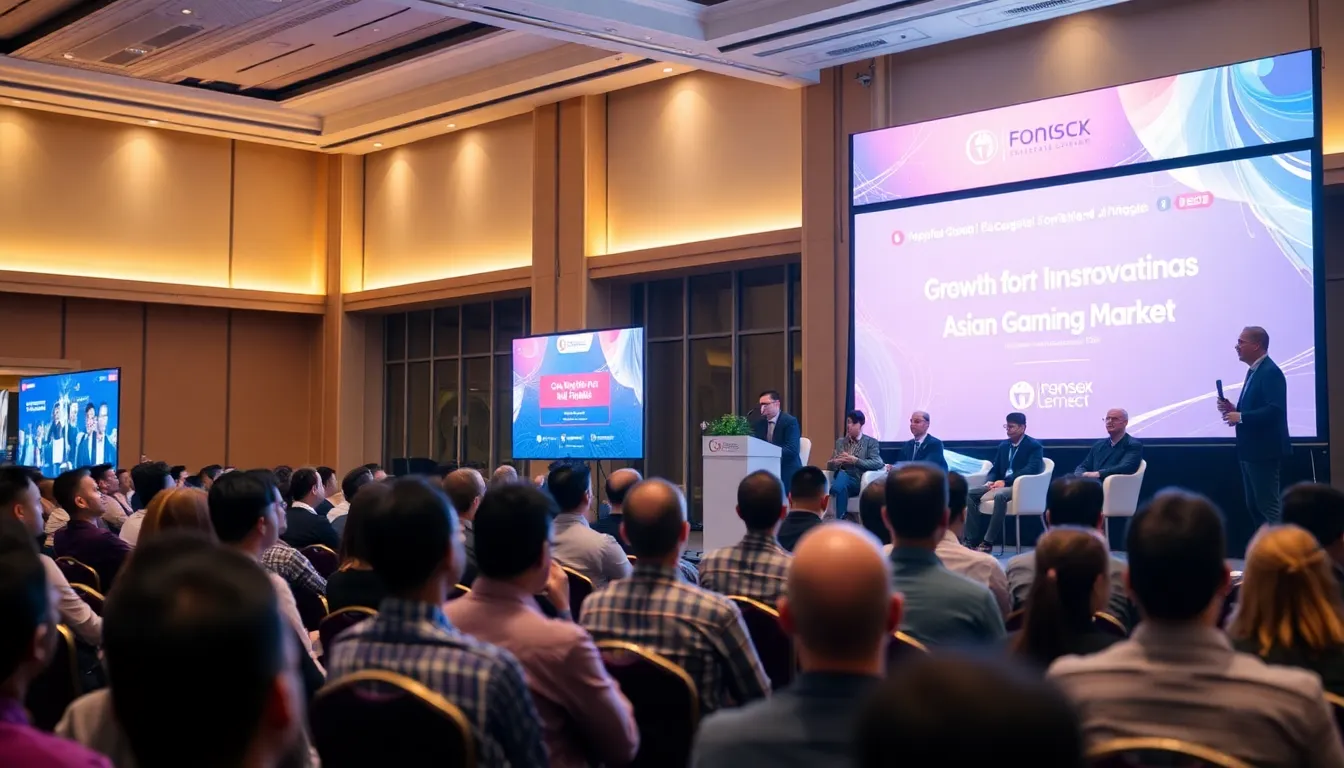
In conclusion, the cultural impact of gaming across Asia is multifaceted, presenting both opportunities and challenges. It strengthens cultural ties and fosters community, while also prompting necessary conversations about social responsibility and mental health.
As the industry continues to grow, ongoing dialogue and research will be vital in addressing these issues. By understanding the complex role that gaming plays in Asian societies, stakeholders can work towards creating a balanced ecosystem that maximizes the benefits while mitigating potential downsides.
The future of gaming in Asia holds immense potential, not only for entertainment but also for cultural enrichment and economic growth. Engaging with this dynamic landscape thoughtfully can lead to a more connected and informed gaming community for all.
The gaming industry in Asia has witnessed immense growth over the past decade. With advancements in technology and internet accessibility, the appeal of online gaming has surged. However, this rapid expansion brings about significant security and privacy concerns that must be addressed. Understanding these challenges is essential for gamers and developers alike to ensure a safe gaming environment.
One of the primary concerns in the Asia gaming sector revolves around data protection. Personal information, including player identities, financial details, and gameplay data, is frequently collected by gaming companies. A notable example of this can be seen in the infamous data breach of a popular gaming platform that affected millions of users across Asia. Sensitive information was compromised, leading to significant financial losses and breaches of trust between players and developers.
Moreover, the prevalence of cyberattacks on gaming platforms has increased. Hackers often target online games due to their vast user bases and the potential for monetary gain. A case in point is the rise of Distributed Denial of Service (DDoS) attacks in online gaming. These attacks disrupt services, leading to frustrating experiences for players and damaging the reputation of gaming companies.
To combat these security issues, several countries in Asia have implemented data privacy regulations aimed at protecting user information. For instance, in Japan, the Act on the Protection of Personal Information emphasizes the necessity for consent before collecting personal data, empowering players to take charge of their information.
As these regulations take effect, gaming companies are compelled to adopt better security measures. This can foster a sense of safety among players, potentially increasing user engagement and retention rates. Developers must stay informed about these regulations, adapting their practices to ensure compliance while also addressing player concerns.
For players, understanding security practices is imperative to safeguarding their data. Here are some practical tips:
In conclusion, while the Asia gaming industry offers numerous advantages, including enhanced enjoyment and community-building opportunities, it is vital to remain aware of the security and privacy concerns that accompany this growth. By understanding the landscape of data protection regulations and adopting best practices, both gamers and developers can contribute to a safer gaming experience in Asia.
NetEase Games is a leading developer known for creating immersive gaming experiences. Their strong market presence in Asia is due to their diverse game portfolios that appeal to multiple demographics.
Tencent Holdings has a massive influence in the gaming industry, especially known for its technologically advanced platforms that focus on innovation and user engagement.
Garena offers a unique approach with strong community support. It is popular for competitive gaming and has a well-established user base across Asia.
Bandai Namco Entertainment combines historical content with modern gaming demands, delivering high-quality entertainment solutions known for character-driven storytelling.
NCSoft is a pioneer in online gaming with innovative MMORPG titles. They maintain a strong market position through continuous updates and user-focused strategies.
Sea Limited is known for aligning its e-commerce and gaming business model strategically, focusing on user growth and regional expansion in Asia.
Specializing in mobile gaming, GungHo Online offers widely popular IPs that engage millions with streamlined and accessible content.

Xiaomi Corporation strengthens the hardware-software ecosystem with gaming phones and integrated solutions, significantly contributing to the growth of the gaming community.
Square Enix is globally recognized for its iconic franchises, continuing to captivate audiences with innovative storytelling and gameplay mechanics.
Riot Games establishes its reputation with globally engaging esports, providing platforms for talent development and fostering international tournaments.
Netmarble delivers captivating mobile games, significantly contributing to casual gaming dynamics. They enhance user interaction through social features.
Perfect World is known for its immersive MMORPGs boasting high-quality graphics and focuses on player retention through engaging narratives and expansive worlds.
The gaming industry in Asia has been rapidly evolving, presenting a significant opportunity for investors. With an increasing number of countries relaxing their regulations regarding gaming and betting, the market is set for unprecedented growth, making it an attractive sector for those looking to diversify their portfolios. But while potential profits are promising, it is crucial to weigh both the advantages and disadvantages associated with investing in this dynamic market.
One of the most substantial advantages of Asia gaming is its sheer market size. Countries like China, Japan, and Singapore have notable gaming sectors, contributing significantly to GDP growth. In addition to this, the rise of online gaming platforms across the continent is further accelerating the industry’s expansion. With millions of players engaged in online gambling, the revenue opportunities are vast.
For instance, Macau, known as the “Gambling Capital of the World,” has seen record profits from its casinos, even surpassing Las Vegas in terms of revenue. The influx of tourists, particularly from mainland China, continues to bolster the profitability of this market. As restrictions around online betting ease, countries like the Philippines and Thailand are exploring avenues to enhance their gaming legislation, potentially opening doors for new investments.
Despite its appealing prospects, investing in Asia gaming is not without risks. The regulatory environment can be inconsistent, varying greatly from one country to another. Investors must stay informed about local laws and regulations, as any unforeseen changes can impact the market significantly.
Take Japan as an example; while it is on the verge of establishing a fully regulated casino market, concerns regarding gambling addiction and social implications are sparking debates that could slow down legislative progress.
Investors looking to capitalize on the Asia gaming market should adopt a cautious yet informed approach. Here are a few practical tips:
In conclusion, while Asia gaming offers substantial growth potential, investors must carefully consider the inherent risks and regulatory challenges. By adopting an informed and diversified investment strategy, investors can position themselves to reap the benefits of this dynamic and evolving industry.
A: Asia Gaming provides a wide variety of genres, offers an immersive gaming experience, and promotes strong community interaction, all of which attract a diverse audience.
A: Leading companies like Tencent, NetEase, and Garena dominate the Asia Gaming market, noted for their innovative approaches and substantial influence.
A: Cultural diversity contributes to richer gaming narratives, allowing players to encounter unique experiences that enhance the overall appeal of the gaming sector.
A: The industry currently faces several challenges including regulatory issues, fierce competition, and the need for technological adaptation to keep user interest alive.
A: Security standards differ between platforms; however, leading companies heavily invest in user privacy and data protection to establish trust within their communities.
A: Considering the potential for growth and ongoing technological advancements, investing in Asia Gaming could yield significant returns, although it still carries certain risks.
A: AI enhances the gaming experience by personalizing content, improving graphics, and adjusting the difficulty level to match player skills, ultimately boosting satisfaction.
A: The future of esports in Asia looks promising with increased investments in infrastructure, professional team expansions, and large tournaments that enhance visibility and participation.
A: Some of the most popular games in Asia include competitive titles like PUBG Mobile and League of Legends, along with cultural icons such as Genshin Impact.
A: Gaming communities play a crucial role by driving engagement, providing valuable feedback, and fostering loyalty, which in turn influences game development strategies.
The gaming industry in Asia is experiencing rapid evolution, driven by technological advancements and shifting consumer preferences. This landscape presents unique opportunities, alongside challenges that stakeholders must navigate. As we look forward, understanding both the potential advantages and disadvantages of the Asia gaming sector is essential for strategic planning and investment.
To capitalize on emerging trends and mitigate risks, embracing innovation and consumer engagement will be key. Developers and operators should stay informed about regulatory developments and the competitive environment, as these factors will significantly impact the industry’s trajectory.