
poker
Mastering Poker Strategies for Success
In the captivating world of poker, the difference between a casual player and a seasoned pro often hinges on one critical element: strategy. While luck and chance play a significant role in determining the outcome of a single hand, it is the strategic approach that consistently separates the winners from the losers over the long run. Understanding the fundamental principles of poker strategy not only enhances your gameplay but also equips you with the tools necessary to adapt and thrive in an ever-evolving competitive landscape. For a deeper exploration of effective techniques, visit Mastering Poker Techniques.
As we delve into the intricacies of winning poker strategies, it is essential to recognize why this topic is gaining momentum, especially as we approach the pivotal year of 2025. With online and live poker tournaments becoming more accessible than ever, the competition is intensifying. Players are now more informed and equipped with sophisticated techniques, making it all the more crucial for enthusiasts and aspiring professionals to arm themselves with effective strategies. Knowledge is power, and mastering these strategies could very well change the course of your poker journey. To get started, check out our comprehensive guide on Poker Rules Uncovered.
Moreover, the psychological aspects of pokerbluffing, reading opponents, and maintaining composureare just as vital as statistical analysis and positional awareness. This article will explore these elements in depth, offering insights into how you can leverage your understanding of these strategies not only to win more hands but also to navigate the game with confidence and finesse. Whether you are a novice looking to learn the ropes or an experienced player aiming to refine your skills, the insights shared here will provide valuable guidance for your poker endeavors.
Join us as we unlock the secrets behind winning poker strategies that have stood the test of time and adapted to the modern game’s challenges. With the right knowledge and skills at your disposal, the path to becoming a formidable poker player is well within your reach. Now is the perfect time to elevate your game and secure your place among the winners in 2025 and beyond.
Poker is not merely a game of chance; it is an intricate dance of strategy, psychology, and mathematics. To excel at poker, one must grasp the essential concepts that underpin effective play. Understanding the fundamentals allows players to make informed decisions, adapt to various opponents, and ultimately increase their chances of winning. Effective poker strategy revolves around a few key principles: hand selection, position, and the art of bluffing.
The first step in any successful poker strategy is hand selection. This involves knowing which starting hands to play based on multiple factors, including position and the type of game being played. Starting hands can be categorized into several categories: premium hands (like AA, KK), strong hands (like AQ, KJ), and speculative hands (like suited connectors).
For instance, if you are dealt a pair of aces, this is a premium starting hand that offers high potential for winning. Conversely, a hand like 7-2 offsuit is likely to be a poor decision to play unless you are in a very favorable position or willing to risk a bluff. Understanding which hands to play and when can drastically impact your overall performance.
Another crucial aspect of poker strategy is understanding the importance of position. Your position at the table affects how you should play your hand. Players in early positions should generally play tighter, as they are the first to act and therefore have less information about other players’ intentions. On the other hand, players in late positions can afford to be more aggressive, often making plays based on the actions of players who have acted before them.
For example, if you are seated in the cutoff position and notice that the players in early positions are folding, it may be wise to open the betting with a wider range of hands, potentially capitalizing on their restraint.
Bluffing is a critical tool in a poker player’s arsenal. However, successful bluffing requires more than just wishful thinking; it is essential to understand when and how to execute a bluff effectively. Successful bluffs often depend on the dynamics of the table, your table image, and the perceived strength of your opponent’s hand.
Utilizing these strategic elements in poker does not guarantee victory every time, but they do provide a solid foundation for improving your game. By mastering hand selection, paying close attention to your position, and effectively utilizing bluffing, you significantly enhance your chances of achieving favorable outcomes. Remember that poker is a game of skill and observation; the more informed and adaptable you are, the closer you come to uncovering the secrets of successful poker play. For further insights, consider reading about Mastering Texas Hold’em.
Bluffing is an essential strategy that can drastically alter the outcome of various games, especially in poker. Understanding how and when to bluff can lead to significant advantages, turning the tide in your favor. In the context of poker, bluffing is not merely about deception; it’s about reading your opponents and making calculated risks.
At its core, bluffing is a psychological tactic. It involves creating a narrative that your opponent believes, ultimately influencing their decisions. Successful bluffing relies heavily on understanding your opponents’ behaviors, tendencies, and emotions. For instance, a player who has been consistently aggressive may be taken less seriously when they suddenly play passively, making their bluff less believable.
A classic example of effective bluffing can be seen in the World Series of Poker. In a pivotal match, a player with a mediocre hand raised the stakes significantly, causing several opponents to fold premium hands. His success stemmed from an earlier display of consistent strong play, establishing a reputation that made his bluff credible.
Knowing when to bluff is crucial. Below are key moments when bluffing can be particularly effective:
In practice, here are some strategies to enhance your bluffing technique:
In the context of poker winning strategies, bluffing serves as a complementary tactic to solid hand gameplay. A well-timed bluff can sometimes net you more than a strong hand would, particularly against wary opponents. Continually refining your bluffing skills can make all the difference in the long run.
Ultimately, while luck plays a role in poker, skillful bluffing can be the differentiator that elevates one player above the competition. As you delve into the world of poker, remember that the art of deception can lead to victories when employed with precision and confidence.
In the competitive world of poker, understanding how to analyze hands effectively is crucial for making informed decisions. Whether you’re a novice or a seasoned player, mastering this skill can dramatically enhance your gameplay. Analyzing hands involves evaluating your cards against potential opponents’ hands and understanding the probabilities involved. By doing so, you can determine the most strategic action, such as folding, calling, or raising.
For instance, consider a situation where you are dealt a pair of aces in Texas Hold’em. This is one of the strongest starting hands and gives you a competitive edge. However, as the community cards are revealed, the situation can quickly change. If the flop showcases two hearts and a ten of clubs, your decision-making process must take into account the probabilities of opponents holding flush or straight draws. Here, analyzing your hand strength relative to the community cards is vital to make the best move.
Your position at the table has a significant impact on how you should analyze your hand. Being in an early position typically means you need stronger hands to bet, while being in a late position allows for more flexibility to act based on how other players respond.
Utilizing your position can also involve how aggressively you play your hands. If you’re in a late position with a moderate hand, you might choose to call a raise rather than go all-in. This conservative approach might yield better long-term success compared to an aggressive strategy that could risk losing chips.
Another essential aspect of hand analysis is the ability to read opponents. Observing their betting patterns, body language, and reactions can provide critical insights into the strength of their hands.
Through careful observation, you can adjust your strategy and improve your chances of outsmarting your opponents. For example, if you notice a player frequently bluffs when no strong cards appear on the board, you might choose to call them down more often when you hold decent hands.
To effectively analyze your poker hands, it’s crucial to integrate your knowledge of hand rankings, position, and opponent behavior. The best players are those who adapt their strategies based on the unique dynamics of each game.
As you practice analyzing hands, consider maintaining a log of your sessions. Review hands that went well and those that did not, evaluating your decision-making process in each situation. This self-reflection is vital for continuous improvement and will contribute significantly to developing your own “poker winning tactics” over time.
In summary, analyzing poker hands is a multifaceted skill that requires a deep understanding of various aspects, including hand strength, position, and opponent tendencies. By honing this skill, you can make calculated decisions that maximize your chances of success at the poker table.
Understanding bet sizing is crucial for any poker player aiming for success at the tables. Bet sizing refers to the amount of money a player decides to wager in a given situation. It can be instrumental in dictating the flow of the game and influencing both opponents’ perceptions and reactions. Properly executed, effective bet sizing can lead to larger pots and greater control over the game.
One of the most significant aspects of poker strategy is the relationship between the size of the bet and the information it conveys. A small bet may suggest weakness, drawing in opponents who are willing to call, while a larger bet can signify strength, driving opponents to fold or proceed cautiously. This tactic can help manipulate opponents’ decision-making, ultimately benefiting the skilled player.
Consider a scenario where a player has a strong hand on the flop. If they choose to make a modest continuation bet (around 25% of the pot), this may entice opponents to stay in the hand, providing an excellent opportunity to extract value. Conversely, if the same player opts to bet 75% of the pot, they are likely presenting themselves as very strong, potentially causing weaker hands to fold.
In another case, suppose a player is bluffing. A well-timed, larger bet can present the illusion of strength, thus pressuring opponents into making suboptimal folds. The psychological edge gained from appropriate bet sizing can be a game-changer, reinforcing the importance of managing not just the cards, but also the betting dynamics.
To effectively implement bet sizing strategies, consider keeping a mental note of various player types and their tendencies. Regularly observing how they react to different bet sizes can improve your ability to tailor your strategy accordingly. Furthermore, using tools like poker software can help analyze optimal bet sizes based on specific scenarios, enhancing your understanding of when and how to manipulate pot odds to your advantage.
Additionally, practicing bet sizing in a controlled environment, such as low-stakes games or online platforms, can provide insights without significant financial risk. The more experience you gain, the more adept you will become at reading situations and making informed decisions that capitalize on the equity of your hand.
In conclusion, mastering bet sizing is an essential component of successful poker play. By optimizing how much you wager in each situation, you can gain a strategic advantage, control the game’s narrative, and ultimately increase your chances of winning. Remember, it’s not just about the cards you hold; it’s also about how you choose to play them. By honing your bet sizing skills, you will be well on your way to developing a comprehensive poker strategy that supports your journey toward success.
In the world of poker, position refers to where a player sits at the table relative to the dealer and other players. Understanding one’s position is crucial as it significantly influences the strategic decisions a player can make during the game. The position can create opportunities or constraints that can sway the outcome of a hand, making it essential for players who aspire to master the game.
To illustrate, let’s examine a typical poker table setup. The dealer button rotates clockwise, determining the order in which players act. Those who act later in a round have the advantage of seeing how their opponents behave before making a decision. For instance, if you are in a late position and notice that players in early positions are folding, you can confidently raise with a wider range of hands, assuming they have weak cards. Conversely, a player in an early position must act blind to the decisions of others which can lead to more conservative play.
A player’s position affects not only their decision-making but also their overall strategy. When in a strong position (like the late position), a player can be more aggressive, bluff more efficiently, and control the pot size. In contrast, being in an early position requires a tighter, more cautious approach.
When it comes to practical application, players can significantly enhance their chances of winning by adjusting their play based on their position. For instance, if you find yourself on the button (the last to act), your advantage allows you to control the flow of the game by raising or calling based on the actions of others. You can take note of betting patterns and use this information to inform your decisions, potentially outplaying opponents who do not leverage their position effectively.
Imagine a scenario where you are dealt a decent starting hand, such as a pair of eights. If you are in an early position, it might be wise to just call, especially if the table is tight. However, in a later position, you could opt to raise; the reasoning here is that you not only have more information but are also in a better position to pressure your opponents. Noticing how each player reacts to your bets can offer insights into their hand strength, which is vital information in poker strategy.
Ultimately, as you build your poker skills and strategies, the significance of your position at the table can never be overstated. Mastery of position allows for a nuanced understanding of when to play aggressively and when to hold back. It empowers you to dictate the pace of the game, giving you a competitive edge that can be the difference between a winning and losing session.
In conclusion, recognizing and utilizing your position effectively is an integral aspect of poker strategy. By being mindful of where you sit at the table, you can adapt your gameplay, make informed decisions, and ultimately enhance your chances of success in the game. Poker is not just about the cards you are dealt but also about how you play those cards based on your position. As you refine your skills and strategies, keep in mind that position is not just a statistic; it’s a vital component of your overall poker strategy.
Bankroll management is a critical component for anyone involved in gambling or poker. Essentially, it refers to how much money you allocate and manage while playing games of chance. Having a good bankroll management strategy not only prevents you from going bust but also enhances your overall gaming experience. If you treat your bankroll wisely, you can extend your time at the tables and increase your chances of winning in the long run.
For instance, imagine a player who enters a poker tournament with a budget of $1,000. If they spend their entire budget in the first hour by playing recklessly, they are left with nothing. On the contrary, a player who allocates a portion of that budget to each session and uses a portion for cash games, tournament entries, and some side bets can weather the ups and downs of the game. This could mean betting only 5-10% of your total bankroll at any given time, which would allow flexibility and longevity.
One effective tip for managing your bankroll is to establish a clear and realistic budget before you even sit at the table. Consider factors like your overall financial situation, your experience level, and the stakes at which you are willing to play. Also, be disciplined enough to stick to this budget. Regularly evaluating your performance can help you identify weaknesses and adjust your strategy accordingly.
Implementing these key principles can make a world of difference in your gaming journey. For example, a player may have a more enjoyable experience when they don’t feel the pressure of potentially losing their entire bankroll in one night. By pacing themselves, they are more likely to make calculated decisions, which is essential in a game where strategy and critical thinking can significantly influence the outcome.
Moreover, bankroll management also ties into the concept of discipline in poker strategy. Players who maintain a steady approach to their bankroll are often more successful than those who play aggressively without considering risk. The ability to remain calm and collected, especially during a losing streak, is vital. Good bankroll management provides this emotional cushion, allowing players to make sound decisions based on strategy rather than emotions.
In conclusion, managing your bankroll is not merely about money; it is integral to preserving the enjoyment and longevity of the game. Successful players embrace these strategies, ensuring their approach blends skill and discipline. This ultimately increases their chances of long-term success in the world of poker, reinforcing the age-old adage that patience and smart financial management often yield the best results.

When it comes to poker, the aggressive play is a potent strategy that involves betting and raising with the intent of putting pressure on your opponents. This approach can effectively force weaker players into making errors, and as a result, it is an essential component in a winning poker strategy.
The Tight-Aggressive play style, commonly abbreviated as TAG, combines selective hand plays with aggressive betting. This strategy minimizes risk and capitalizes on strong potential hands, making it suitable for beginners.
Bluffing is an art in poker, and executing it strategically can turn the tide in your favor. It’s about choosing the right moments to deceive your opponents, relying on a careful analysis of their tendencies and the table dynamics.
Position play involves utilizing your seat at the table to make optimal decisions. Acting later in a betting round gives you more information, allowing you to make better-informed decisions, particularly in terms of hand strength.
Value betting is the practice of betting to extract maximum value from your strong hands. It’s particularly effective against opponents who tend to call frequently, enabling you to increase your winnings against such players.
Understanding pot odds is crucial in determining whether it is profitable to continue with a drawing hand. By assessing the ratio of the current size of the pot to the size of the bet you must call, you can make more informed decisions about calling or folding.
Slow playing involves underplaying a strong hand to lure opponents into the pot. This strategy can be exceptionally effective when you suspect your opponent has a weaker hand that might catch up to a perceived edge.
The semi-bluff occurs when you bet with a drawing hand that has the potential to improve, giving you two ways to win: forcing a fold or improving your hand. This strategy balances risk and reward effectively.
Building a specific table image can significantly influence how your opponents perceive your play style, affecting their decisions. Whether projecting aggression or passivity, manipulating table image is a powerful psychological tactic.
Every poker player has tendencies that can be exploited. By keenly observing opponent behavior, you can tailor your strategy to take advantage of their predictable errors, maximizing your edge in the game.
Assessing the possible range of hands an opponent might have is a skill that separates great players from good ones. By correlating their actions with likely hand ranges, you can make more precise decisions.
Playing on multiple tables simultaneously increases the volume and potential profitability of your poker endeavors. However, it requires high levels of focus and a strategic approach to manage the additional complexity.
The ability to read opponents in various competitive scenarios is an essential skill, particularly in contexts such as poker. Psychological warfare goes far beyond basic strategy; it involves understanding the mindset of your opponent and using that knowledge to gain an advantage. This aspect of competition reflects the intricate balance of psychology and strategy that underlies successful decision-making.
Consider a poker table where players exhibit a range of behaviors. Some players may be visibly anxious when they hold a strong hand, while others may appear overly confident when bluffing. The key to mastering psychological warfare lies in observing these subtle cues. For instance, a player who continuously fiddles with their chips might be grappling with uncertainty or a strong hand they are afraid to reveal. By interpreting these signals correctly, an astute player can make better-informed decisions.
Understanding nonverbal communication is crucial in competitive settings. According to studies in psychology, a significant percentage of communication is nonverbal. This remains true in poker, where body language, facial expressions, and gestures can reveal a lot about a player’s intentions.
Once you’ve mastered the art of reading opponents, employing psychological tactics becomes the next step. This doesn’t mean manipulating your opponents maliciously, but rather using the knowledge you’ve gathered to create uncertainty in their minds. For example, if you’re known for aggressive bets, you might occasionally adopt a passive approach to lure your opponents into a false sense of security.

The lessons learned in psychological warfare at the poker table can be applied to various competitive and social settings. The ability to read others and adjust your strategy accordingly can enhance outcomes in negotiations, sales, and even personal relationships.
In business negotiations, for example, understanding a counterpart’s nervousness or confidence can inform whether to challenge their position or concede ground. Observing micro-expressions can give insights into their true feelings about the deal at hand, allowing you to adjust your approach effectively.
To enhance your psychological warfare skills, consider the following practical tips:
Ultimately, mastering the art of psychological warfare requires dedication, patience, and a willingness to continually learn. By honing your ability to read opponents and adjusting your strategies accordingly, you can significantly improve your decision-making prowess in poker and beyond.
In any competitive environment, the ability to adapt one’s strategy in response to opponents is a crucial skill. This flexibility not only allows for improved performance but can also lead to significant advantages over less adaptable competitors. Whether in business, sports, or personal endeavors, understanding how to adjust in real-time is key to outmaneuvering an opponent. The integration of concepts from various fields, including poker strategies, showcases this adaptability.
Adaptability in strategy refers to the readiness to change one’s approach based on the circumstances and behaviors of opponents. This can involve shifting tactics to counteract the competitor’s moves or altering one’s own strategy based on cues from the environment. For example, in competitive sports, teams often analyze their opponents’ play styles and make adjustments during the game to exploit weaknesses effectively.
Consider a basketball game where one team is known for its three-point shooting. If the opposing team notices this trend, they may choose to tighten their defense around the perimeter, forcing the shooters to adapt. Failure to adjust could lead to a significant disadvantage as the opposing team capitalizes on scoring opportunities.
In the world of business, negotiations are often characterized by the need for flexibility. A successful negotiator will assess the counterparty’s approach and modify their proposals accordingly. For instance, if a company is negotiating a contract and senses that the other side is hesitant about pricing, they can pivot to emphasize the value and advantages of their products instead of focusing solely on cost.
To implement flexibility in strategy, consider the following tips:
The game of poker is an excellent metaphor for flexibility in strategy. Successful players often adjust their play style based on the tendencies of their opponents. For instance, a player might adopt a more aggressive stance against a passive opponent while playing cautiously against a more aggressive one. This can be directly applied to other competitive scenarios.
For those looking to improve their competitive strategies, consider the following poker-inspired concepts:
In conclusion, the interdependence of flexibility in strategy and successful competition cannot be overstated. By being attentive, adaptable, and informed, one can respond effectively to opponents’ moves, creating a dynamic that not only enhances individual performance but also leads to overall success in competitive endeavors. The principles of poker, while specific to the game, serve as a powerful reminder that strategic adaptation is a universal skill relevant in diverse fields, from sports to business negotiations.
Poker is a game that combines skill, strategy, and psychology, making it both rewarding and challenging. However, many players, regardless of their experience level, often fall victim to common mistakes that can significantly hinder their success at the tables. By understanding these mistakes and how to avoid them, players can take steps to improve their game and boost their chances of winning.
One of the most frequent mistakes poker players make is overvaluing their hands. Many novice players tend to go all-in or make large bets with mediocre hands simply because they fail to recognize the strength of their opponents’ potential hands.
For example, if you hold a top-pair hand, you might assume it’s strong enough to win the pot, but if the board shows coordinated cards that could lead to straights or flushes, your confidence may be misplaced. In a situation where multiple players are in the pot, it’s essential to reconsider the value of your hand based on the community cards and the betting patterns of your opponents.
To mitigate this mistake, always assess the strength of both your hand and the possible hands of your opponents. A good practice is to use a hand ranking chart before making decisive bets in order to gauge your chances accurately.
Another significant error in poker is neglecting the importance of table position. A player’s position relative to the dealer button can greatly influence their decision-making strategy. Being in an early position means you act before the majority of players, which could lead to making decisions based on incomplete information.
For instance, if you are seated in an early position and decide to raise with a weak hand, you give other players who are in later positions the advantage of seeing how you play out the hand before they make their moves. They may even choose to call, raise, or fold based on your actions, putting you at a disadvantage.
To avoid this mistake, always consider your position when making decisions and tailor your betting strategy accordingly. Players in late positions can often play a wider range of hands, taking advantage of the information they glean from earlier players’ actions.
Many players stick rigidly to their strategies without adjusting for the dynamics at the table. This inflexibility can lead to significant losses, especially when facing opponents who are adapting their gameplay to counter yours.
For example, if you find that a particular table is made up of aggressive players who frequently bluff, continuing to play conservatively will not yield favorable results. Instead, adjusting your strategy to become more aggressive yourself may lead to better outcomes.
To enhance your poker skills, regularly evaluate the playing styles of your opponents. Recognizing shifts in their behavior can provide valuable insights that allow you to adapt your strategy. A flexible approach to poker can help you capitalize on the weaknesses of your opponents and improve your overall performance.
Finally, one of the most critical aspects of poker that is often overlooked is proper bankroll management. Playing beyond your means can lead to hasty decisions and emotional gambling, which usually results in substantial losses.
Consider a scenario where a player with a small bankroll decides to enter high-stakes games in an attempt to win big quickly. This often ends up being a recipe for disaster, as they may feel pressured to play in a style that is not reflective of their skill level.
To avoid this pitfall, set strict limits on how much you are willing to spend and adhere to those limits regardless of your current gaming situation. Make use of a budget tracker and prioritize discipline over impulsiveness in your poker journey.
In summary, avoiding common mistakes such as overvaluing hands, ignoring position, failing to adapt strategies, and neglecting bankroll management can enhance your poker skills substantially. By applying these insights, players can slowly shift towards a more strategic approach, which inherently aligns with effective poker strategies for success.
Aggressive play is a method that involves continual betting and raising to apply pressure on opponents, forcing them into tough decisions. This approach can be particularly effective against passive players who tend to react rather than initiate actions.
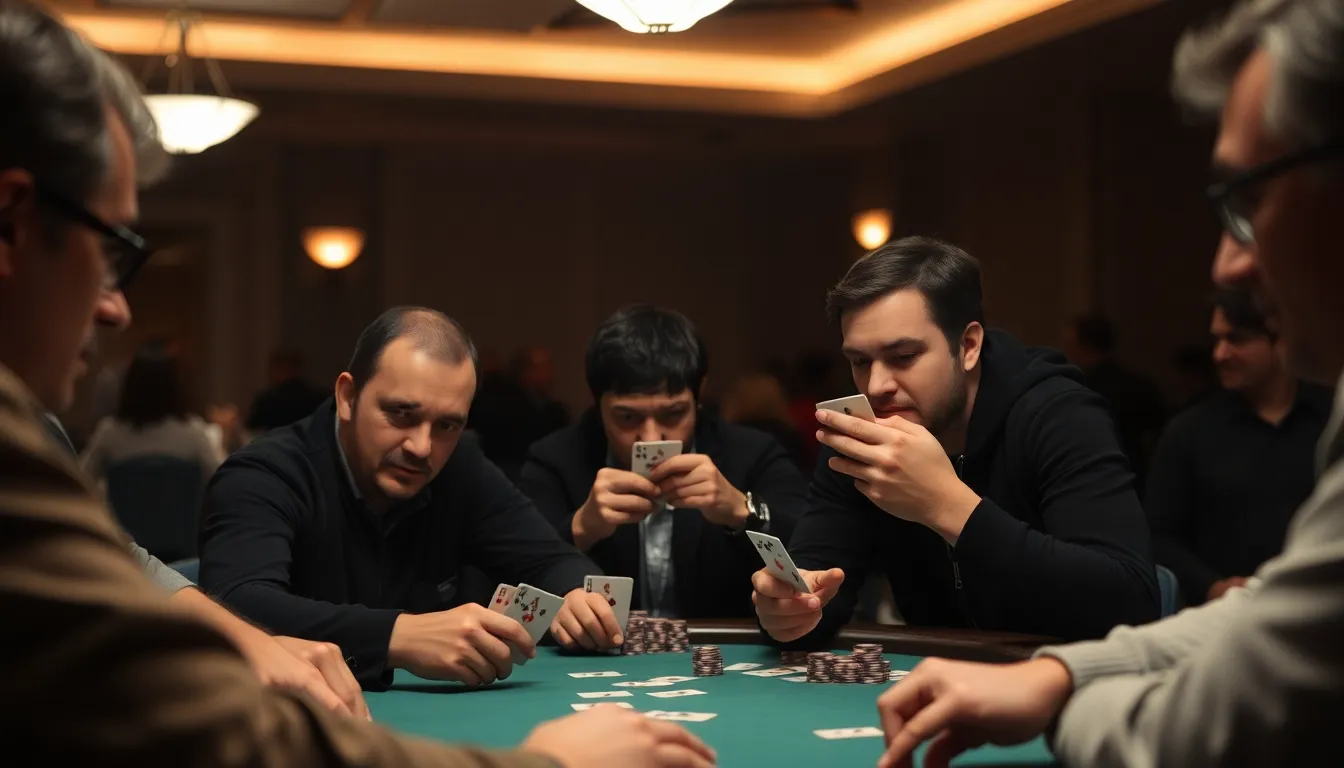
The Tight-Aggressive Play combines playing selective hands with aggressive betting. This strategy minimizes unwarranted risks and is ideal for players who thrive on calculated decisions while maximizing their advantages.
Strategic bluffing in poker can turn the tide of the game. A timely executed bluff has the power to win pots that seem otherwise unattainable. It requires a keen understanding of opponent tendencies and the game context to be effective.
Using your seating position as an advantage in poker is a fundamental strategy. Being in a late position can provide additional information about opponents’ moves, allowing for more precise decisions.
Value betting involves betting with strong hands to extract maximum potential winnings. This approach is most effective against loose players who are more likely to call bets with weaker hands.
The ability to accurately calculate pot odds is an essential poker skill, enabling players to make informed decisions about calls and folds. Understanding pot odds helps players determine the financial viability of pursuing a drawing hand.
Slow playing involves passively playing a strong hand to encourage opponents to bet, allowing for potential increases in the pot size. While it can be highly effective, overuse can make a player predictable.
Semi-bluffing entails betting with a drawing hand that has potential to become the best hand upon completion. This strategy effectively balances the risk of bluffing with the potential to improve hand strength.
A player’s table imagehow they are perceived by opponentscan greatly influence gameplay. Manipulating this image involves adjusting behavior strategically to provoke specific reactions from other players.
Capitalizing on opponents’ predictable patterns and mistakes can significantly increase a player’s winning chances. Adapting strategies based on observed tendencies is crucial for executing this approach successfully.
Analyzing an opponent’s hand range involves assessing the possible hands they might hold based on their actions. This provides a framework for making educated guesses about opponent strategies and responses.
Playing multiple tables at once can significantly increase potential profitability and volume. This requires enhanced skills and focus, demanding players to manage various dynamics simultaneously.
These essential tools and strategies form the cornerstone of any aspiring poker player’s arsenal, paving the way to mastering the game and executing the perfect poker 필승법. With practice and strategic application, each component can contribute to a more comprehensive and effective gameplay approach.
A: Start by understanding basic poker concepts before moving on to more advanced strategies. Regular practice and reviewing sessions of professional players can provide valuable insights.
A: Bluffing plays a crucial role in poker as it can shift the momentum of a game when executed correctly. It should be used strategically to maintain an element of surprise.
A: To enhance your hand reading abilities, pay close attention to your opponents’ betting patterns and physical cues. Developing consistency in your observations is key to improving your accuracy.
A: Effective bankroll management is essential to weather the ups and downs of poker, allowing players to stay in the game without facing financial stress.
A: Core strategies in poker remain largely the same across formats, but online play demands quicker decision-making, greatly influenced by various software tools for analysis.
A: A tight-aggressive style means playing fewer hands but with higher aggression when you do engage, creating a balance that supports sustained success in poker.
A: Being in a later position allows you to observe your opponents’ actions and make more informed decisions, making positional awareness a critical aspect of strategy.
A: Absolutely! Employing psychological tactics to mislead opponents about your hand can elevate your gameplay significantly.
A: Beginners should steer clear of playing too many hands, neglecting bankroll management, and failing to consider their position in the game.
A: Evaluate your opponents’ styles and adapt your approach accordingly, being more aggressive against passive players and setting traps for aggressive ones.
Mastering the art of poker is an ongoing journey that requires strategic thinking, emotional control, and the ability to adapt to your opponents. By focusing on essential skills and understanding the dynamics of the game, you can elevate your play and increase your chances of winning. Consider how the principles of poker, such as risk management and making calculated decisions, apply to your broader life and gaming practices.
Incorporating these insights into your routine will not only bolster your poker success but also fine-tune your overall decision-making skills.