solution
Discovering the 2026 January Oriental Game Landscape
The realm of Oriental games is an intricate tapestry woven from centuries of tradition, culture, and strategic intrigue, captivating enthusiasts worldwide. As we step into January 2026, the global spotlight is shining brightly on these ancient pastimes. This article seeks to explore the history, evolution, and current significance of Oriental games, offering readers a deep dive into their profound impact on both cultural and social dynamics. For a more in-depth look, check out our article on Exploring Oriental Game in January 2026.
Understanding the significance of Oriental games today is essential, as they not only reflect the historical context from which they emerged but also reveal how they adapt and thrive in contemporary settings. The game mechanics, strategic depth, and communal experiences fostered by these games articulate a rich narrative that resonates with audiences across different backgrounds. The importance of these games has grown significantly, especially in recent years, as they increasingly find relevance within the evolving landscape of competitive sports and digital entertainment.
As we navigate through the various types of Oriental games, from the classic strategy of Go to the lively dynamics of Mahjong, this exploration will underscore not only the entertainment value but also the cognitive skills these games cultivate. In the fast-paced world of January 2026, understanding these elements becomes crucial as we seek to bridge the gap between ancient practices and modern preferences, enriching our engagement with a global audience.
The world of Oriental games is rich and diverse, encapsulating a wide array of cultural significances and historical narratives. These games are not merely forms of entertainment; they are reflections of the societies from which they originate, carrying with them traditions, values, and philosophies that have evolved over centuries. Understanding these layers provides deeper insights into their appeal and relevance in contemporary society.
Many Oriental games, such as Go, Mahjong, and Xiangqi (Chinese Chess), have historical roots that date back thousands of years. For instance, Go, originating in China over 2,500 years ago, is esteemed not just as a game of skill but as a tool for training strategic thinking. The mental agility developed through Go translates into various aspects of life, including business and warfare. Similarly, Mahjong, which has become a global phenomenon, mirrors social dynamics and communal bonding.
Each game embodies unique symbols and meanings that resonate with the cultural narratives of its origin. For example, the tiles used in Mahjong often depict various elements of nature and prosperity, representing the players’ aspirations and societal values. This connection enhances the emotional experience of playing the game, as it becomes not just about winning, but also about engaging with cultural heritage. Likewise, in Japan, the game of Shogi (Japanese Chess) incorporates elements of samurai culture, where the movements of pieces reflect historical combat strategies. Understanding these nuances can be further explored in our guide to Understanding Poker Terms, which also discusses cultural impacts.
The resurgence of interest in Oriental games, particularly evident in 2026, highlights their adaptability. As societies become more interconnected, these games have transcended their geographic origins and found niche markets in various global contexts. Competitions and tournaments are increasingly being held beyond their home countries, drawing international participants and audiences.
For those interested in delving deeper into the world of Oriental games, the following practical tips can enhance your understanding and appreciation: explore competitive formats, learn about the key strategies involved, and immerse yourself in the communities that play these games. Additionally, considering the evolving nature of gaming, you may also find insights in our Allbet Overview for January 2026 to broaden your perspective.
In conclusion, Oriental games are far more than mere entertainment; they are vessels of cultural expression and historical significance. Understanding their context enhances not only the gaming experience but also fosters appreciation for the intricate tapestry of heritage they represent. As we move into an era that is increasingly globalized and interconnected in 2026, the importance of these games continues to flourish, allowing new generations to engage with profound traditions while creating their own narratives. Whether as a player, a spectator, or a historian, embracing the depth of Oriental games can enrich our understanding of cultural interrelations in a modern world.
The landscape of Oriental games has undergone significant evolution by January 2026, influenced by advancements in technology, cultural trends, and global connectivity. This dynamic environment highlights unique features and mechanics that define how these games engage players, promote social interaction, and enhance the overall experience.
One of the most striking innovations in Oriental games is the integration of augmented reality (AR) and virtual reality (VR) technologies. These elements create an immersive experience that blends the physical and digital worlds, allowing players not only to interact with the game environment but also to engage with one another in unprecedented ways.
Oriental games are not only about competitive play; they also foster community building. With the rise of multiplayer formats, developers have focused on designing features that encourage social interactions among players.
The thematic depth found in Oriental games often draws heavily from cultural motifs, folklore, and traditional narratives. By incorporating these elements, developers create a rich tapestry that not only entertains but also educates players about cultural heritage.
As new players enter this vibrant world, there are several strategies to enhance their gaming experience. Here are a few practical tips:
In conclusion, Oriental games by January 2026 showcase a blend of technology, culture, and community that not only captivates players but also creates a shared experience that transcends geographical boundaries. By embracing these key features and mechanics, players can not only enjoy entertainment but also connect with others and explore rich cultural narratives, enhancing their overall gaming journey.
In recent years, technology has dramatically transformed various sectors, and the realm of Oriental games is no exception. These traditional games, rooted in cultural practices and histories, have begun to adopt new technological advancements to engage a broader audience. The fusion of technology with traditional gameplay not only preserves the cultural significance of the games but also enhances the experience for players worldwide.
Take, for example, the integration of augmented reality (AR) in traditional board games like Mahjong. Digital platforms now allow players to experience this leisurely activity from the comfort of their homes while interacting with others virtually. Such innovations maintain the essence of the game, dealing tiles and strategizing, while providing a novel approach to social engagement. Imagine playing a round of Mahjong with friends across the globe while enjoying real-time interactions, similar to being in the same room. This blend of physical and digital interaction resonates strongly with the needs of modern players.
The rise of smartphones has further revolutionized Oriental games. Many classic games are now available as mobile applications, making them accessible to anyone with a device. For instance, games like Go and Xiangqi have found new life in the mobile arena, attracting younger generations who prefer quick and mobile-friendly formats. This trend highlights how the gaming landscape is evolving to meet the habits and preferences of today’s gamers.
Further emphasizing this point, the integration of advanced algorithms and artificial intelligence (AI) into these games creates an engaging learning environment for novice players. Games like Go, for instance, are now equipped with AI opponents that adapt to the player’s skill level, offering challenges that grow with the player’s ability. This ensures that both seasoned veterans and beginners find value in the gameplay experience.
As we advance toward 2026 and beyond, the marriage of technology and Oriental games signifies a crucial step in cultural preservation. While technology enhances the experience, it also opens discussions about the potential risks of losing traditional elements. However, as developers prioritize authenticity alongside innovation, the combination can lead to a more enriching environment.
In preparation for future developments, stakeholders in the gaming industry should consider the following strategies:
In conclusion, the ongoing relationship between technology and Oriental games is redefining how these cultural practices can evolve and persist. By embracing innovation while remaining connected to their roots, Oriental games are poised for a bright future, fostering a global community that appreciates and values both tradition and modernity.
Oriental games, rich in cultural history and tradition, have gained immense popularity worldwide. They not only offer entertainment but also challenge the mind and encourage strategic thinking. Understanding the fundamental elements of these games is crucial for anyone looking to master them effectively.
At the heart of mastering any Oriental game lies a solid strategy. Players must understand that it is not merely about individual skill but rather the ability to outwit opponents. For example, in Go, a game that originated in China, the objective centers around territorial control. Players need to anticipate their opponent’s moves while developing their strategies to capture critical points on the board.
To illustrate, consider a situation in a casual game of Go where one player begins with a defensive strategy by carefully placing stones in areas of potential conflict, while the other player opts for a more aggressive approach, aiming for quick territorial gains. The first player’s patience often pays off as they can block the aggressive player’s strategies, leading to a significant advantage.
A practical tip for strategic mastery is to analyze classic games played by experienced players. Watching professional matches can reveal patterns and strategies, offering insights that can be useful in one’s games.
Each Oriental game comes with its unique set of rules and mechanics, which are fundamental to mastering it. Understanding these mechanics allows players to make informed decisions during gameplay. For instance, in Mahjong, the various tiles and their combinations are crucial to forming winning hands. Familiarity with tile patterns and scoring can greatly enhance a player’s chances of success.
Consider the nuances of scoring in Mahjong. A player who fully grasps the different types of winning hands and the points associated with them can significantly alter their gameplay to seek these wins actively. This is why practice is essential; repeated exposure to gameplay enhances mechanical understanding.
For practical application, consider keeping a notebook to jot down tile combinations or scenarios that frequently arise, thereby reinforcing your memory and understanding of the game mechanics.
Like any other skill, practice is the key to mastery in Oriental games. Engaging with a community can provide invaluable learning opportunities as well. Local clubs or online forums often allow players to connect, share strategies, and learn from each other’s experiences.
For example, engaging in regular games with a diverse group of players can expose individuals to varying levels of play styles and challenges. This not only helps in adapting strategies but also aids in building confidence over time.
A tip for finding practice partners is to utilize online platforms dedicated to Oriental games. Many websites now offer matchmaking services where players can find opponents at their skill level. This facilitates continuous improvement and gives one the chance to apply new strategies in real-time.
Finally, setting achievable goals and reflecting on one’s progress is essential in the journey to mastering Oriental games. Whether it’s improving one’s ranking or mastering a specific game variant, having a clear objective keeps players focused and motivated.
Reflecting on past games helps identify strengths and weaknesses. After a match, consider what strategies worked and what didn’t. This reflection process can guide future gameplay, ultimately leading to a more profound understanding and proficiency.
A practical approach is to set short-term goals, such as winning a certain number of games or mastering a specific strategy, while also keeping an eye on long-term objectives that align with personal interests in the game.
In conclusion, mastering Oriental games requires a dedicated approach that focuses on strategic thinking, understanding game mechanics, engaging with the community, and setting clear goals. As we look forward to 2026, the evolution of Oriental games continues to flourish, with more players embracing these rich traditions. By applying these strategies, players can deepen their appreciation for the games and enhance their overall experience.
Immerse yourself in “The Legend of the Jade Emperor,” a narrative-rich game slated for release in January 2026. This game skillfully blends history with mythology, creating an enthralling experience for story lovers eager to explore intricate tales grounded in Eastern folklore.

For those who pride themselves on their strategic thinking, “Dragon Chess” is set to introduce a refreshing twist to traditional chess. Launching in January 2026, this game challenges players to adapt their chess skills to new tactics on a nuanced board.
Embark on a thrilling economic journey with “Silk Road Adventures.” Scheduled for early 2026, this game puts your trading and negotiation skills to the test as you traverse historic trade routes, perfect for fans of economic strategy.
“Bamboo Forest Quest” invites you to explore lush, serene environments filled with engaging puzzles. Launching in January, this game appeals to those who love nature and the challenge of solving puzzles.
If commanding armies aligns with your gaming taste, look forward to “Imperial Battles.” This tactical RPG, available from January 2026, lets you strategize and lead military campaigns in an imperial setting.
Step into tranquility with “Lotus Blossom Harmony,” a game designed for relaxation and mindfulness. Available as of January 2026, it focuses on balance and peace, offering a reprieve from the fast-paced world.
“Eternal Dynasties” launches you into the intricate world of political simulation, as you rule a dynasty and navigate complex political landscapes. Releasing in January, this game caters to enthusiasts of political strategy.
Unleash your creativity with “Zen Gardens,” a game that lets you design serene gardens based on traditional oriental styles. Set to be available in January 2026, it’s perfect for those looking to showcase their creative flair.
Experience the thrilling world of samurai life in “Samurai Spirits,” an action-packed game debuting in January 2026. The game captivates with its authentic swordplay mechanics, catering to action aficionados and history buffs alike.
“Eastern Legends” combines teamwork and storytelling in a captivating multiplayer setup. Expected to make waves in January 2026, this game is ideal for groups seeking a blend of legendary Eastern tales and cooperative gameplay.
Exceed architectural boundaries with “Pagoda Builder,” where strategic planning becomes your greatest tool. Available in January 2026, this game invites you to construct the tallest pagoda, offering a challenge to architecture enthusiasts.
Delve into the delicate art of tea making with “Tea Master,” which launches in January 2026. This culturally rich game offers insights into the traditional processes and rituals surrounding tea, inviting cultural connoisseurs to discover the subtleties of this age-old art.
Oriental games, rich in cultural significance and history, face several challenges that can impact their growth and sustainability. As we approach the backdrop of the 2026 Asian Games, it is essential to address these issues and explore ways to enhance the experience for players and spectators alike.
One of the primary challenges in Oriental games is the varying cultural interpretations that can lead to misunderstandings among international audiences. Each game often carries deep-rooted traditions that are not always recognized or appreciated by those outside their culture.
For example, games like Go and Xiangqi are steeped in philosophy and strategic depth. Players from different backgrounds may not grasp the intricate strategies employed, which could lead to a lack of engagement. To counter this, educational initiatives and tutorials can be implemented to familiarize audiences with the foundational elements of these games.
The rise of technology has transformed how games are played and consumed. Traditional Oriental games sometimes struggle to keep pace with modern gaming trends that emphasize speed, accessibility, and digital engagement. The challenge lies in merging these timeless games with contemporary formats.
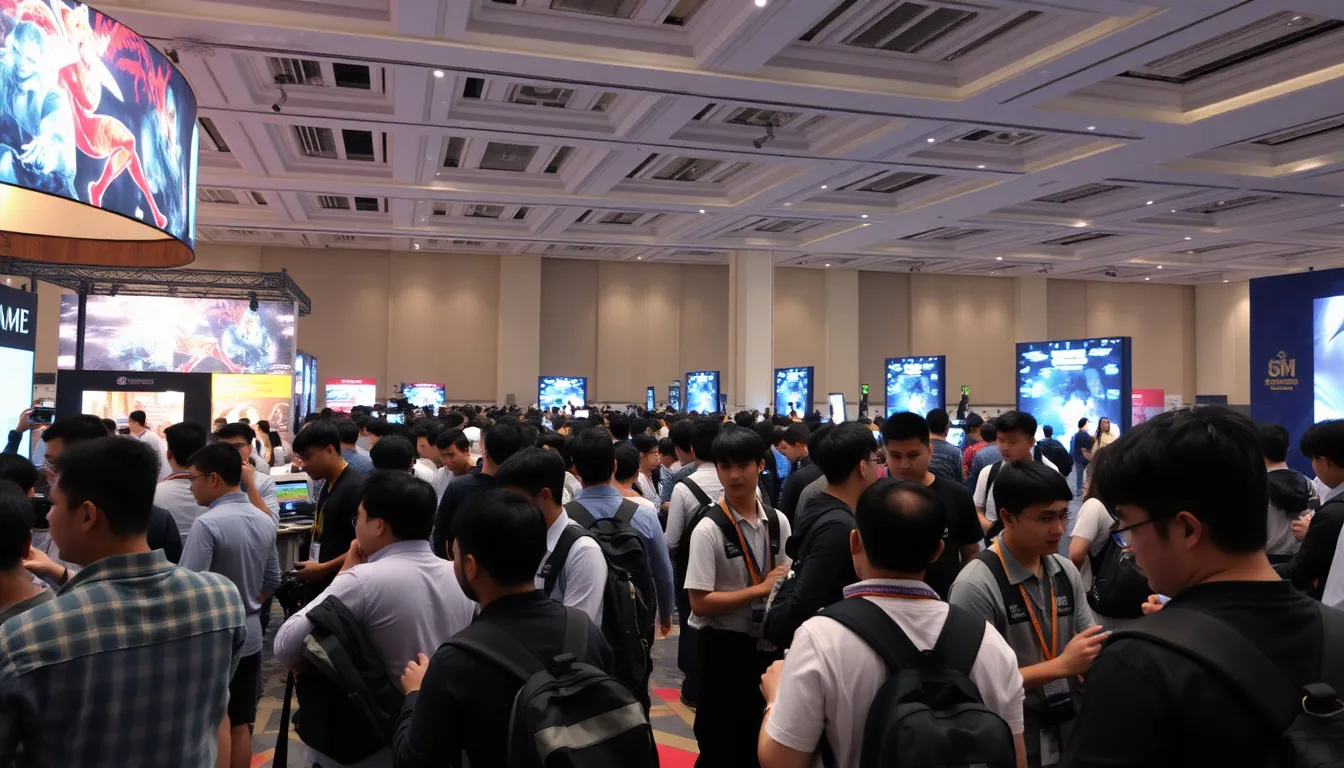
Another significant challenge is promoting inclusivity within Oriental games. These games can sometimes be perceived as exclusive to certain demographic groups, which impedes diversity and participation. A vital step in overcoming this is to create an inclusive environment that welcomes players from all backgrounds.
Many Oriental games have begun organizing community events that focus on outreach, such as workshops and tournaments that cater to beginners. For example, at regional gatherings, exercises introducing the basic rules and strategies of the game can lower the barrier to entry.
Oriental games possess inherent educational value, teaching skills such as critical thinking, strategy, and social interaction. However, these games often remain underutilized in educational settings.
Schools and educational institutions can integrate Oriental games into their curricula. Teachers can organize game-playing sessions that also focus on the cultural history of the game, enriching students’ understanding while honing their strategic skills.
Building a vibrant community is crucial for the sustainability of Oriental games. A sense of belonging and camaraderie can encourage more individuals to participate. However, isolated events may fail to generate the traction needed.
As the 2026 Asian Games approach, the emphasis on overcoming these challenges will not only preserve the rich heritage of Oriental games but also pave the way for their evolution. By addressing cultural nuances, embracing modern trends, promoting inclusivity, leveraging educational benefits, and engaging the community, Oriental games can flourish in a global landscape, capturing the interest of future generations.
Oriental games, often rooted in the rich tapestry of Eastern cultures, serve as more than mere entertainment; they embody and reflect the traditions, philosophies, and communal values of their societies. These games not only act as a source of enjoyment but also as a medium for the transmission of cultural heritage from one generation to the next.
For instance, consider the ancient game of Go, which originated in China over 2,500 years ago. This strategic board game, with its simple rules yet profound depth, is not just a competitive endeavor; it represents the values of patience, strategy, and balance that are integral to Chinese philosophy. The game’s objective is not merely to win but to outsmart one’s opponent by anticipating their moves, highlighting the cultural emphasis on intelligence and foresight in life. Similarly, in India, the game of Chess, known as Chaturanga, illustrates the complexities of warfare and statecraft, showcasing the significance of strategic planning in Indian history.
Many Oriental games have historically fostered communal bonding and identity. For instance, traditional Korean games such as Yut Nori may be played during family gatherings or festivals, emphasizing the importance of family and community ties. The players throw wooden sticks (Yut) to determine their moves, and the game is often accompanied by songs and cheers, reinforcing social connections and shared cultural experiences.
Moreover, the upcoming events surrounding Oriental Games in January 2026 are poised to spotlight these traditional games on a global platform, allowing nations to showcase their cultural heritages. Participants from diverse backgrounds will have the chance to engage in activities that highlight their distinct customs while fostering mutual respect and understanding among different cultures.
Engaging with Oriental games serves as an insightful way to learn about the historical contexts and significances of these practices. For those interested in cultural preservation, here are some practical tips:
In conclusion, Oriental games are vital representations of cultural identity and tradition. As societies become increasingly globalized, preserving these games and their underlying values is crucial for maintaining cultural diversity. The excitement generated by the forthcoming Oriental Games in January 2026 will not only bring nations together but also remind us of the fundamental values embedded in these timeless games that continue to shape and influence our communities worldwide.
The Oriental Games have gained significant popularity over the years, characterized by a rich history that brings together various traditional sports and cultural practices from Eastern nations. As 2026 approaches, the interest in these games is set to soar, with more platforms and venues becoming available for enthusiasts and newcomers alike.
With the rise of digital technology, many online platforms are now dedicated to promoting and streamlining the experience of Oriental Games. These platforms offer everything from live-streamed competitions to interactive training sessions and community forums.
While digital platforms provide convenience, experiencing Oriental Games in physical venues is an unmatched experience. Various arenas and cultural centers host events that celebrate these traditional sports.
In countries like China, Japan, and Korea, regional competitions have become a mainstay, drawing not only local but also international participants. For example, the annual Dragon Boat Festival in China celebrates this thrilling sport, where teams compete vigorously while honoring tradition. Similarly, Japan’s Sumo tournaments offer a unique spectacle of strength and ritual, attracting thousands of spectators.
These events provide a rich ground for cultural exchange and offer a chance for participants to delve into the heritage associated with these games.
For those looking to participate in or simply experience Oriental Games, here are some practical tips:
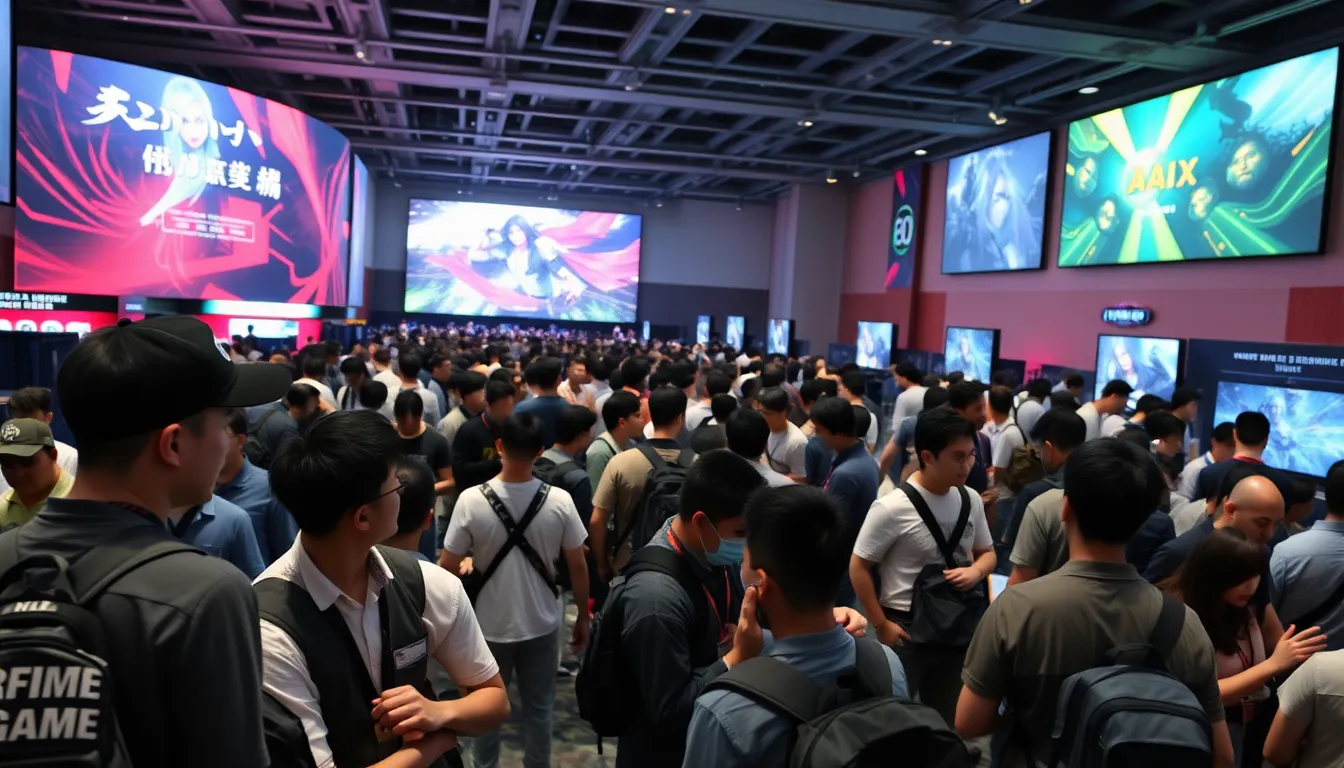
In conclusion, as the Oriental Games continue to bridge cultural gaps and foster community spirit, understanding where to experience thembe it through digital platforms or physical venueswill enhance your engagement significantly. Whether you are a seasoned participant or a curious newcomer, there are countless opportunities to explore and enjoy these traditional sports in the lead-up to 2026 and beyond.
The world of video games has seen significant advances in technology, particularly regarding graphics. Oriental game titles, known for their distinct aesthetics and cultural narratives, have been at the forefront of this evolution. The journey of these games, from pixelated sprites to breathtaking 3D environments, reflects broader trends in gaming technology and player expectations.
In the late 1980s and early 1990s, game graphics were largely defined by the limitations of hardware. Early Oriental titles featured 8-bit graphics, offering a simplistic yet charming visual approach. Games like Street Fighter II and Final Fantasy VI exemplified this era, using vibrant colors and well-designed sprites to present their stories.
As technology progressed, the transition to 16-bit graphics introduced more detail and complexity. Games began to incorporate parallax scrolling and richer animation. This evolution captivated players with a blend of visual appeal and engaging gameplay.
The late 1990s heralded the transition to 3D graphics. With the release of the PlayStation and subsequent consoles, Oriental games like Tekken and Final Fantasy VII showcased the capability of 3D environments, offering immersive worlds that players could explore.
This era also embraced the use of polygons, textures, and lighting effects, making characters and backgrounds more realistic. Players were no longer just interacting with a screen; they were becoming part of a vibrant, dimensional universe.
Today, Oriental games continue to push graphical boundaries with technologies like ray tracing, dynamic lighting, and advanced texture mapping. Titles such as Ghost of Tsushima and Ni no Kuni II are prime examples of how these advancements can create visually stunning experiences while staying true to their cultural roots.
This period also sees a resurgence of unique art styles that set Oriental titles apart from their western counterparts. Games like Spiritfarer use hand-drawn aesthetics, giving a personalized and emotional touch that resonates deeply with players.
As we anticipate new developments in 2026, the potential for Oriental games is immense. The integration of virtual and augmented reality may further transform how players engage with these titles, creating experiences that feel more tangible. With companies investing in high-end graphics engines and AI-enhanced design, the next generation of Oriental games is poised to elevate visuals and storytelling.
For developers and designers, embracing these technologies while considering cultural elements will be key. Here are some practical tips:
In conclusion, the evolution of game graphics in Oriental titles is a fascinating journey intertwined with technological advancements and cultural storytelling. As we move closer to 2026, the promise of new graphics innovations paired with rich narratives can enhance the gaming experience in unprecedented ways, making the future bright for Oriental game enthusiasts.
A: Oriental Games are a collection of games inspired by Asian history, culture, and traditions, providing players with diverse gaming experiences.
A: To find Oriental Games releasing in January 2026, you can visit popular gaming platforms and online stores that list upcoming releases by date.
A: Most Oriental Games can be played on PC and popular consoles, with some also available on mobile devices. Availability may vary by game developer.
A: Oriental Games stand out due to their rich storytelling, deep cultural references, and intricate art styles, providing an immersive gaming experience unlike others.
A: Absolutely, many Oriental Games incorporate elements of Asian history, myths, and traditions, offering players both entertainment and educational insights.
A: Yes, many Oriental Games feature multiplayer modes that allow you to collaborate or compete with others, enriching your gaming experience.
A: Technological advancements in graphics, AI, and virtual reality are not only enhancing realism but also offering new dynamic experiences in Oriental Games.
A: Oriental Games cover a variety of genres such as strategy, RPG, puzzle, and simulation, appealing to a wide audience of gamers.
A: Yes, many Oriental Games are designed with child-friendly content, providing both engaging and educational experiences for younger audiences.
A: Oriental Games often weave in traditional elements such as music, historical events, and mythological stories to create a rich gameplay experience.
The evolution of Oriental Games has been marked by a blend of traditional values and modern innovations. As we look ahead, the landscape beyond 2026 is expected to be shaped significantly by advancements in technology, changing player demographics, and a growing global interest. These factors will influence not only the gameplay but also the way these games are perceived and integrated into larger cultural narratives.
Understanding the nuances of these changes is crucial for stakeholders in the gaming industry, especially considering the unique context set in January 2026, where Oriental Games may see a renaissance driven by these transformative trends.