solution
Asia Gaming Background Explored: A Comprehensive Guide and Expert Recommendations
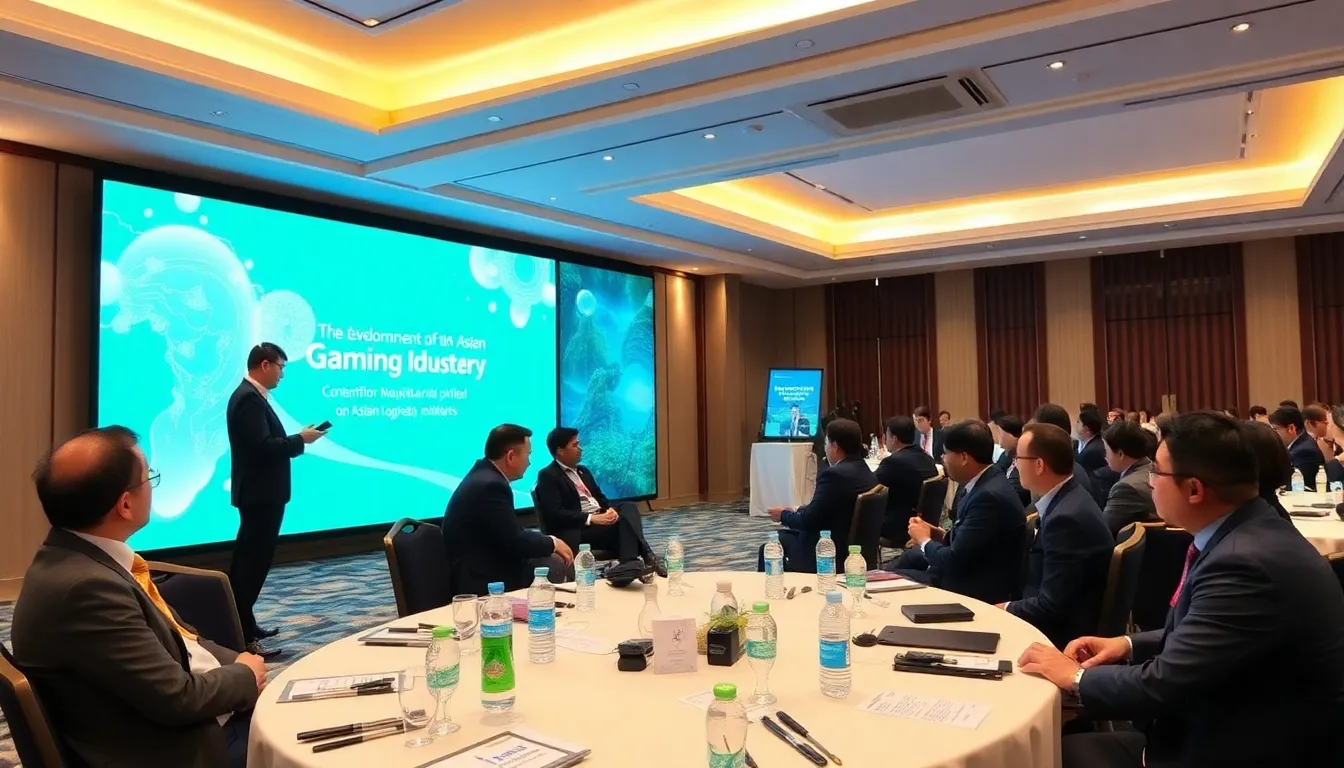
The gaming industry in Asia has witnessed unprecedented growth over the past decade, transforming into a powerhouse that drives global trends and innovations. As of 2025, the sector is projected to expand even further, attracting significant investments and catering to a vast demographic of gamers across varying age groups. Understanding the dynamics behind this rise is crucial for stakeholders, from game developers to investors, who seek to capitalize on the burgeoning market. For more insights, check out Understanding the Background of Microgaming.
This article delves into the various factors contributing to the evolution of Asia’s gaming landscape, including advancements in technology, the rise of mobile gaming, and the cultural shifts that have embraced gaming as a mainstream form of entertainment. With countries like China, South Korea, and Japan leading the way, the continent presents unique opportunities and challenges that set it apart from other regions.
Furthermore, the importance of understanding Asia’s gaming backdrop has never been more pressing. As competitive gaming, or esports, gains traction, and mobile platforms continue to dominate, the strategies employed by businesses and creators are evolving. Insights into this market can provide invaluable perspectives on consumer behavior and future trends, shaping the strategies for all involved in the gaming ecosystem. For a deeper dive into the services available, explore Discovering Pragmatic Play’s Services.
In conclusion, as we look ahead to 2025, the critical examination of Asia’s gaming industry background will not only illuminate its present state but also offer a roadmap to harness the full potential of what lies ahead. The time to engage with this thriving industry is now, making it imperative for anyone interested in gaming to stay informed and proactive.
The Asian gaming market is a dynamic and multifaceted environment that significantly influences global gaming trends. With the rise of technology and changing consumer behaviors, this market is experiencing continuous evolution. Understanding the defining characteristics of Asian gaming is crucial for stakeholders looking to capitalize on its growth potential. A comprehensive resource is available in Comprehensive Guide to Microgaming Services for 2025, which details key market aspects.
One of the most defining features of the Asian gaming market is the rapid adoption of new technologies. Mobile gaming, in particular, has surged in popularity, with many consumers preferring to play on their smartphones rather than traditional consoles or computers. This shift is largely driven by the widespread availability of affordable smartphones and high-speed internet.
For instance, in China, the mobile gaming sector eclipsed traditional gaming platforms years ago, with titles like Honor of Kings gaining immense popularity and generating significant revenue. Similarly, Southeast Asian countries have witnessed an explosion in mobile esports, captivating diverse demographics.
To effectively engage with this trend, businesses should invest in mobile-optimized gaming experiences. Understanding local preferences, monetization strategies, and popular genres can provide a competitive edge in this fast-growing segment.
The regulatory framework surrounding gaming in Asia diverges significantly from one country to another, which shapes market dynamics. For example, while places like Macau are known for their thriving casinos, other regions like Japan have more stringent regulations that impact casino operations.
Furthermore, cultural nuances play a crucial role in shaping gaming content. Games that resonate culturally with local players tend to perform better. Thus, developers must pay attention to local traditions, languages, and gaming preferences when creating content.
Another prominent characteristic of the Asian gaming market is the emphasis on social interaction. Multiplayer games that foster community engagement have become increasingly popular. Platforms that integrate social features, such as live-streaming and in-game communication, are driving player retention and community building.
A notable example is PUBG Mobile, which not only provides exhilarating gameplay but also thrives on social interaction through team-based play and community events. This aspect is crucial as players seek not just entertainment but also a sense of belonging within gaming communities.
To leverage this trend, gaming companies should consider implementing social features into their platforms, such as chat functions, guilds, and community challenges. By fostering stronger community ties, businesses can enhance player loyalty and drive user engagement.
The surge of interest in esports is another critical aspect defining the Asian gaming market. Countries like South Korea and China are at the forefront, with massive investments in esports infrastructure and events. The growing popularity of live streaming platforms has made esports a widely accessible and engaging form of entertainment.
To capitalize on this trend, businesses can explore partnerships with esports teams or consider hosting competitive events. Marketing strategies can include collaborations with popular streamers to reach target audiences effectively.
In conclusion, the Asian gaming market is characterized by the rapid adoption of technology, a diverse regulatory landscape, cultural factors, strong community engagement, and the boom of esports. Understanding these elements can significantly impact the success of businesses seeking to enter or expand within this vibrant market. As the landscape continues to evolve, staying informed about trends and adapting to consumer preferences will be key strategies for sustained growth.
As the gaming industry continues to flourish globally, Asia stands out as a pivotal region where culture significantly influences gaming trends, preferences, and practices. With a diverse tapestry of traditions, languages, and social norms, the gaming landscape in Asia is unique and multifaceted. This cultural complexity not only shapes game design and storytelling but also affects player interactions and community dynamics.
Many Asian games incorporate traditional themes and narratives, creating a unique blend that appeals to local audiences. For instance, titles like “Dynasty Warriors” draw heavily from historical accounts of China’s Three Kingdoms period. These games provide players with a sense of connection to their cultural heritage while offering engaging gameplay.
Moreover, modern gaming often takes inspiration from folklore and myths, as seen in the popular mobile game “Genshin Impact,” which integrates elements from Chinese mythology and aesthetics. This not only enriches the gaming experience but also educates players about the subtleties of cultural references embedded within the game.
In Asia, gaming is often seen as a social activity, where players form communities that transcend geographical boundaries. The rise of multiplayer online games, especially battle royale and RPGs, emphasizes collaboration and teamwork, influenced by cultural values around collectivism.
Take, for example, the phenomenon of esports in South Korea. The nation has cultivated a competitive gaming culture that celebrates teamwork and strategy, which aligns with the collective nature of Korean society. The cultural infusion into gaming has led to well-established esports leagues and a dedicated fanbase.
Government policies and cultural sensitivities also play a crucial role in shaping the Asian gaming landscape. Different countries have distinct rules regarding content, leading to variations in gameplay experiences. For example, China enforces stringent regulations on the types of content that can be included in games, significantly impacting how developers approach game design.
This necessitates that international developers either adjust their game content to comply with local laws or risk facing bans. Titles such as “PUBG” underwent modifications to remove excessive violence to align with Chinese regulations, demonstrating how cultural elements and government oversight can shape the gaming experience.
In conclusion, the cultural influences shaping Asia’s gaming landscape are extensive and varied. From blending traditional narratives with modern gameplay to emphasizing community engagement and adhering to local regulations, understanding these dynamics is essential for developers aiming to succeed in this burgeoning market. As the cultural fabric of Asia continues to evolve, so too will the gaming experiences that emerge from this vibrant region.
The landscape of the gaming industry in Asia has transformed dramatically over the past decade, making it one of the most vibrant sectors in the global economy. Technological innovations play a pivotal role in this evolution, acting as a catalyst that drives growth and enhances user experiences. From cutting-edge graphics to immersive gaming environments, these innovations are redefining how games are developed, distributed, and enjoyed.
Mobile gaming has witnessed exponential growth in Asia, largely driven by improvements in smartphone technology and internet connectivity. As a result, gaming has become more accessible to a wider audience. In countries like China and South Korea, mobile games have overshadowed console and PC games, establishing themselves as a dominant force in the industry. This shift not only indicates a change in consumer preferences but also showcases how technology can democratize gaming experiences.
For instance, games like “Honor of Kings” or “PUBG Mobile” have redefined success metrics, achieving billions in revenue through engaging gameplay and competitive online communities. The ease of access provided by mobile platforms has allowed developers to reach diverse demographics, creating a booming market.
Virtual Reality (VR) and Augmented Reality (AR) have also begun to make significant inroads into the Asian gaming market. These technologies offer immersive experiences that traditional gaming cannot match. For example, VR arcades have sprouted in major cities like Tokyo and Shanghai, providing gaming experiences that transport players into different worlds.
A notable example is the game “Beat Saber,” which has captivated audiences with its unique blend of rhythm and physical activity. It demonstrates the potential of VR to engage users not just in gaming but also in a social and fitness context, showcasing how technological innovations can intersect with lifestyle changes.
Artificial Intelligence (AI) is another groundbreaking technology reshaping the gaming landscape. AI enables developers to create more complex and lifelike characters, providing players with dynamic interactions. Moreover, it can personalize the gaming experience, adjusting difficulty levels based on player performance.
Games utilizing AI elements have shifted from static gameplay to adaptive experiences that keep players engaged long-term. An example of this is “Watch Dogs: Legion,” which allows players to recruit and control multiple characters, each with unique skills and personalities generated by AI, enriching the overall game narrative.
Blockchain technology has begun to carve its niche within the gaming sector, particularly in Asia. The inclusion of blockchain enables secure transactions and ownership of in-game assets, allowing players to trade virtual items for real-world value. This new paradigm fosters a player-driven economy that challenges traditional revenue structures.
Platforms like “Axie Infinity,” which utilizes blockchain for trading in-game creatures, have seen meteoric growth. Players can earn cryptocurrency through gameplay, illustrating an innovative approach to monetization and a shift towards more decentralized gaming economies.
For developers, integrating blockchain not only opens new revenue streams but also enhances player trust through transparency, making it a valuable tool for the industry’s future.
As developers consider these technological innovations, here are some practical tips for implementation:
In conclusion, technological innovations are at the forefront of the gaming industry’s rapid growth in Asia. As mobile gaming, VR, AI, and blockchain continue to evolve, they present exciting opportunities for developers and players alike. By leveraging these technologies wisely, stakeholders within the Asian gaming market can foster a more dynamic, engaging, and profitable future.
The Asian gaming environment is rapidly evolving, presenting both opportunities and challenges for stakeholders. With varying regulations across different countries, understanding the policy landscape is crucial for businesses seeking to enter or expand within this region.
In countries like Macau and Singapore, gaming laws are well-established, promoting a safe environment for both operators and players. For instance, Macau, recognized as the gaming capital of the world, has a robust regulatory framework that ensures fair play and transparency. This has attracted global investors and tourists alike, contributing significantly to the region’s economy.
Each country within Asia has its own regulatory body overseeing gaming operations. These organizations are responsible for enforcing laws, issuing licenses, and ensuring compliance. Understanding their roles can help operators navigate the complexities of the gaming landscape.
While the gaming industry in Asia presents numerous opportunities, it is not without its challenges. Regulatory changes can frequently occur, and operators must stay informed to adapt their strategies accordingly. For example, changes in tax policies, advertising regulations, or restrictions on foreign investments can significantly affect profitability.
On the other hand, emerging markets, such as Vietnam and Cambodia, are beginning to open their doors to foreign investment, creating new avenues for growth. Operators who can successfully navigate the regulatory maze stand to benefit from first-mover advantages in these burgeoning markets.
For businesses looking to enter the Asian gaming market, the following tips can aid in navigating regulations effectively:
Overall, the Asian gaming environment is a complex yet promising arena, framed by a diverse range of policies and regulations. Understanding this landscape is essential for anyone looking to thrive in the industry. By staying informed and agile, businesses can effectively navigate the intricate web of regulations and exploit the abundant opportunities that exist within this vibrant sector.
The gaming landscape in Asia is as diverse as the cultures that inhabit the region. With a burgeoning population of gamers and a rapidly evolving technological infrastructure, Asia stands out as a powerhouse in the gaming industry. From complex MMORPGs (Massively Multiplayer Online Role-Playing Games) to simple mobile casual games, the genres popular in Asia cater to a wide range of tastes and preferences.
One of the most dominant genres in the Asian gaming market is MMORPGs. These games offer expansive virtual worlds, allowing players to explore, quest, and interact with others from around the globe. Titles like “Lineage” and “World of Warcraft” have achieved iconic status, drawing millions of players into their immersive universes.
For instance, “Genshin Impact,” developed by Chinese company miHoYo, combines stunning graphics and an engaging storyline with gacha mechanics, attracting players not only in Asia but worldwide. This success underscores how MMORPGs leverage both community and competition to create a rich gaming experience.
For game developers looking to penetrate the Asian market, focusing on MMORPGs can be beneficial. Understanding cultural preferences and integrating local themes can enhance player engagement, such as including popular folklore or mythology in the gameplay.
In contrast to the complexity of MMORPGs, mobile casual games have surged in popularity, especially among younger audiences. Games like “Candy Crush Saga” and “PUBG Mobile” exemplify how simplicity and accessibility can attract a broad user base. These games are often designed for quick play sessions, making them ideal for players who may not have hours to devote to a single session.
The average Asian gamer often seeks convenient gaming experiences that can fit into their hectic lifestyles, characterized by commuting and busy schedules. Consequently, mobile casual games allow players to engage with gaming in short bursts without sacrificing enjoyment.
For aspiring game developers, creating mobile casual games requires an understanding of user interface design and user experience. Testing various formats can help gauge what appeals to your target audience. Consider features like daily rewards or community events to enhance retention and engagement.

Esports is another booming genre within the Asian gaming sphere, characterized by competitive gaming at several levels, from amateur to professional. Games such as “League of Legends” and “Dota 2” have cultivated dedicated followings, backed by tournaments with substantial prize pools.
In countries like South Korea and China, esports is not just a game but a career path for many skilled players. For instance, the LCK (League of Legends Champions Korea) attracts significant viewership and sponsorship, signifying the commercial viability of esports.
For businesses looking to enter this space, sponsoring teams or organizing local tournaments can elevate brand visibility. Additionally, investing in streaming platforms or content creation can tap into esports’ ever-growing audience.
Role-Playing Games (RPGs) continue to resonate with players who seek story-driven experiences. Asian-developed titles like “Final Fantasy” and “Persona” emphasize narrative depth and character development, captivating audiences and establishing a loyal fanbase.
The unique cultural stories that RPGs often entail foster connection and engagement, providing players with a journey that goes beyond just gameplay. Highlighting tales steeped in local culture can strengthen a game’s appeal in the Asian market.
For content creators and developers, crafting a rich narrative can significantly enhance gameplay. Observing storytelling trends in popular RPGs can inspire innovative features and themes that resonate with players’ emotions.
In conclusion, Asia’s gaming landscape is rich and varied, featuring genres that appeal to an extensive demographic. Whether focusing on MMORPGs, mobile casual games, esports, or story-driven RPGs, understanding the cultural nuances and preferences of Asian gamers is crucial for success. Tailoring gameplay experiences to fit local tastes can unlock immense potential in this vibrant market.
Electronic sports, commonly known as e-sports, have rapidly become a cornerstone of the gaming culture in Asia. This phenomenon has transformed gaming from a casual pastime into a competitive and recognized sport. With millions of participants and viewers, e-sports in Asia encapsulate the region’s unique cultural affinity for competitive gaming, technology, and entertainment.
The gaming landscape in Asia has evolved significantly over the past few decades. Initially, it was characterized by arcade gaming and console play. However, the advent of the internet and online gaming led to a monumental shift in how games were played and consumed. For instance, the emergence of multiplayer online battle arena (MOBA) games like League of Legends and Dota 2 has been pivotal in creating a robust competitive scene, with tournaments filling stadiums and streaming platforms attracting millions of viewers.
In countries such as South Korea, China, and Japan, e-sports has achieved celebrity status. These nations have established professional leagues, sponsorships, and even sports teams dedicated to gaming. For example, the League of Legends Pro League (LPL) in China regularly draws massive audiences both online and offline, showcasing the legitimate status that e-sports has attained in society.
The rise of e-sports in Asia has also had a profound effect on local cultures. It has fostered a sense of community among gamers, where individuals gather in cafes, arenas, and online platforms to share their passion. These communities often engage in fan interpretations through art, forums, and digital content, creating a vibrant culture around gaming brands and personalities.
For aspiring gamers or individuals interested in entering the field of e-sports, there are practical steps one can take to navigate this thriving industry. Here are some tips:
In conclusion, e-sports have become an integral part of Asia’s gaming culture, driving not only interest in competitive gaming but also affecting social dynamics, community building, and even economic factors. As technology continues to evolve, the potential for growth within this sector appears limitless, suggesting that e-sports will remain a key player in shaping the future of entertainment in Asia.
In recent years, Asia has emerged as a powerhouse in the gaming industry, with several companies at the forefront of this transformation. The convergence of technological advancements, creative talent, and a massive consumer base has enabled these firms to expand beyond their domestic markets, significantly influencing global gaming trends.
One prime example of this phenomenon is Tencent, the Chinese multinational conglomerate that has made substantial investments in various gaming companies worldwide. Tencent’s strategic partnerships and acquisitions, such as its stakes in Riot Games and Epic Games, have positioned it as a crucial player in the global gaming landscape. This has allowed Tencent not only to harness groundbreaking technologies but also to cultivate innovative gaming experiences for consumers globally.
The gaming industry in Asia is driven by various factors that set it apart from the rest of the world. Rapid internet penetration, the ubiquity of smartphones, and evolving consumer preferences have created a unique ecosystem for gaming that fosters creativity and competition. Countries like South Korea and Japan have developed a rich culture around gaming, which has led to high engagement rates among consumers.
As these companies continue to evolve and explore new avenues for expansion, they are also facing challenges such as intense competition and regulatory constraints. In response, many are prioritizing innovation in game design and increasing engagement through community-building approaches. For instance, companies focusing on developing game-related content and hosting interactive events are finding greater success in retaining players.
Looking ahead, the future for Asia’s gaming companies appears promising. With emerging technologies such as virtual reality (VR) and augmented reality (AR) gaining traction, these firms are, no doubt, poised to explore new horizons. Additionally, the continued growth of cloud gaming presents abundant opportunities for companies willing to adapt to new delivery models.
Furthermore, fostering collaboration within the industry can lead to innovative breakthroughs. Asian gaming companies can benefit from sharing best practices and insights with each other and with international partners. This collaborative spirit can result in creating games that resonate with diverse audiences, further solidifying Asia’s position as a leader in the global gaming arena.
In conclusion, Asia’s gaming companies are not just shaping the future of entertainment but also influencing global culture. By embracing innovation, drawing from their rich cultural narratives, and adapting to ever-changing market dynamics, they are set to leave an indelible mark on the gaming industry worldwide.
The video game industry has seen explosive growth in Asia, presenting both opportunities and challenges for Western game developers. As Asian gamers show distinct preferences and cultural nuances, effective localization strategies are critical to gaining traction in this diverse market. This article explores how Western games can successfully adapt their content and marketing strategies to resonate with Asian audiences.
One of the primary challenges in localizing games for the Asian market is understanding the cultural background of gamers. Nations like Japan, China, and South Korea have rich histories and unique social norms that can significantly influence gaming preferences. For instance, games that emphasize community and collaboration often resonate more in these regions compared to those that focus solely on individual achievements.
A noteworthy example is the success of the MMORPG (Massively Multiplayer Online Role-Playing Game) genre in South Korea, where games like “Lineage” and “Black Desert” thrive due to their emphasis on social interaction and cooperative play.
Localization goes beyond mere translation; it involves adapting various elements to fit the cultural context. This can include changing character names, adjusting storylines, and modifying visual elements. For instance, in many Western RPGs, the concept of heroism often aligns with individualism. In contrast, Asian narratives often celebrate collective achievement.
Marketing plays a crucial role in the success of Western games in Asia. Traditional advertising methods may not yield the same results as they do in Western markets. Instead, engaging local influencers and leveraging social media platforms that are popular in specific countries can significantly enhance brand visibility. For example, in China, platforms like Weibo and WeChat are more effective compared to Western options like Twitter or Facebook.
Furthermore, hosting events, such as gaming tournaments or collaborations with local gaming cafes, can create buzz and foster a sense of community around the game.
To maintain a strong foothold in Asia, developers must prioritize continuous feedback from their user base. Developing a support system for players to voice their concerns and suggestions can enhance the gameplay experience. Frequent updates and patches tailored to local users can show commitment and foster loyalty among players.
For example, many successful games conduct surveys and engage in direct interaction through forums, allowing players to express what works for them and what does not.
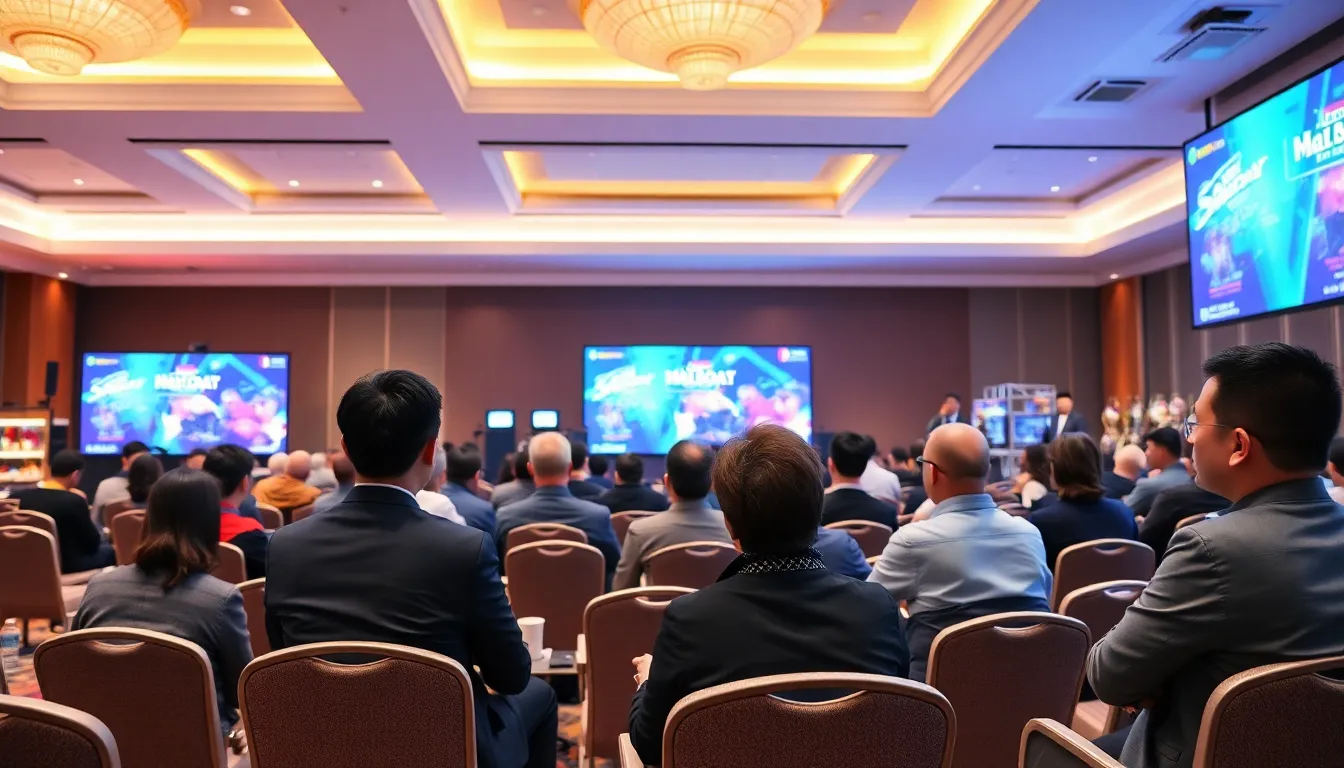
In conclusion, Western games have immense potential in the Asian market, provided they are localized and marketed with cultural sensitivities in mind. By understanding cultural differences, employing effective localization techniques, adapting marketing strategies, and maintaining an ongoing dialogue with players, developers can create engaging experiences that resonate with Asian gamers.
Tencent Games is a dominant force in the global gaming revenue arena, largely due to its expansive portfolio that seamlessly integrates social media elements. As one of the world’s largest gaming companies, its influence stretches across various genres and platforms.
The Nintendo Switch has mesmerized Asian markets with its hybrid console design, offering both portable and docked play. Its strong library of games allows it to cater to a wide audience, making it a staple in many households.
PUBG Mobile became a sensation in Asia, riding on the popularity of the battle royale genre. Its gripping gameplay, combined with its accessibility on mobile devices, has made it a favorite among players looking for quick competitive experiences.
Hailing from China, MiHoYo’s Genshin Impact is an open-world action RPG that has captivated global audiences with its breathtaking graphics and intricate storylines. It represents a milestone in the Asia gaming landscape with its widespread appeal.
Garena Free Fire has captured the hearts of Southeast Asian gamers with its short, thrilling matches. Its quick-paced, strategic gameplay makes it a perfect fit for on-the-go gaming sessions, appealing to those with busy lifestyles.
NetEase Games stands as a major player in the Asian game industry, consistently delivering innovative and captivating content. They expertly blend tradition and technology, offering distinctive games that cater to the diverse tastes of Asian gamers.
A cornerstone of the esports scene in Asia, League of Legends by Riot Games is a tactical competitive game that has built a robust esports infrastructure. It enjoys a massive following, offering events and tournaments that capture widespread attention.
Japan remains a pivotal market for Sony’s PS5, where the console continues to dominate due to its state-of-the-art technology and a library of games that specifically cater to local tastes. Sony’s focus on localization ensures its sustained success.
The Lineage series, developed by NCSoft, enjoys a devoted fanbase in Korea. Known for its complex gameplay and robust community features, this MMORPG continues to thrive, offering deep gameplay mechanics and a strong narrative.
While primarily known as an e-commerce platform, Sea Group’s Shopee has made a surprising impact in the Asian gaming world through its involvement with esports and promotions, enhancing its presence in the industry.
Black Desert Online by Kakao Games is celebrated for its stunning graphics and comprehensive combat systems. This Korean MMORPG has carved out a niche for itself, appealing to those who value visual detail and expansive worlds.
Electronic Arts (EA) has made notable strides in Asia by adapting its western franchises to meet the preferences of the Asian market. Their strategic approach has allowed popular franchises to gain a foothold, contributing to the diversity of the gaming content available.
Tencent Games leads the global gaming revenue charts with its expansive and varied portfolio. The company has successfully integrated social media elements, offering a unique combination of gaming and social networking that resonates well in Asia.
The Nintendo Switch has captivated Asian markets with its hybrid console design, offering both portable and home gaming experiences. Its versatile gameplay and robust library of games make it a staple in the region.
PUBG Mobile has become a battle royale phenomenon in Asia, earning massive success on the mobile platform due to its gripping gameplay and ease of access. It remains a top favorite among young gamers.
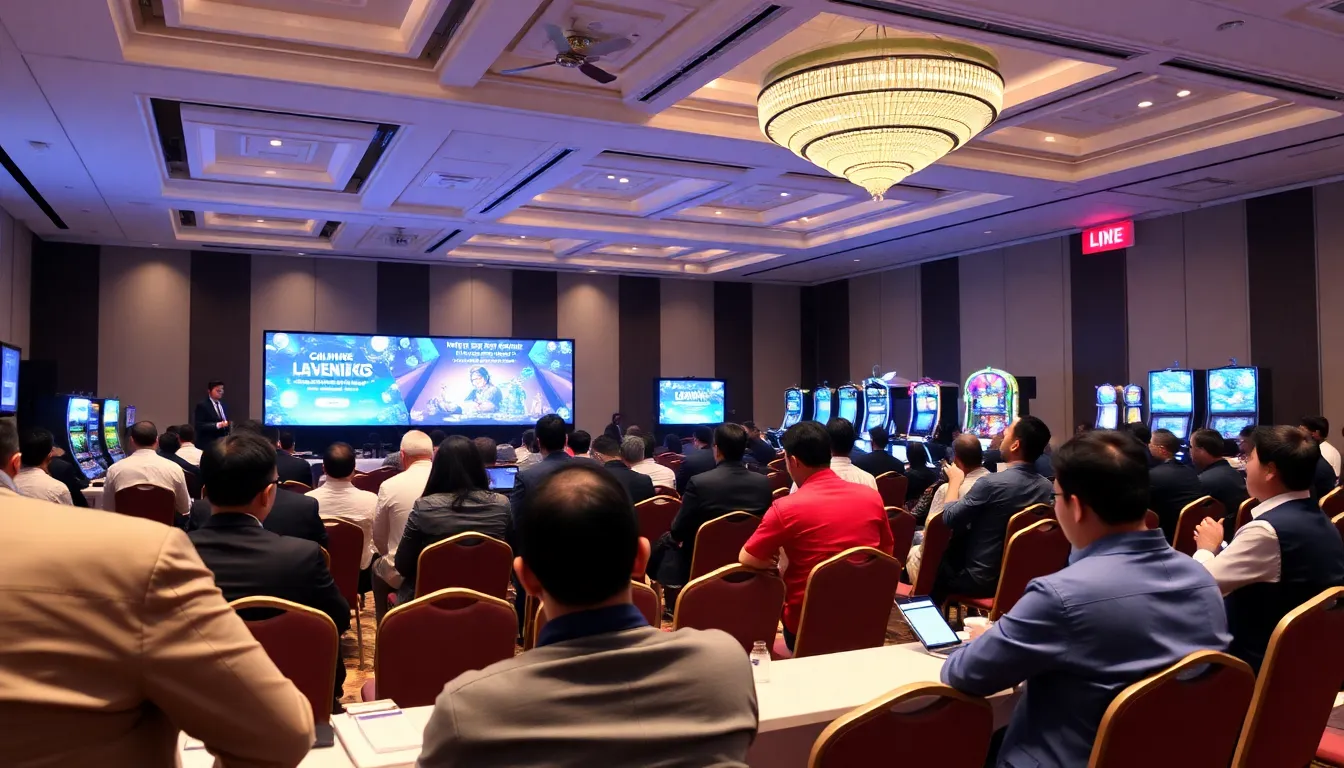
Developed by Chinese studio MiHoYo, Genshin Impact emerged as an open-world action RPG that quickly gained global acclaim. Its high-quality graphics and engaging storyline have made it a favorite across Asian gaming communities.
Garena Free Fire soared in popularity across Southeast Asia with its strategic shooter gameplay. Known for quick, engaging matches, it offers an exciting alternative in the battle royale genre.
NetEase Games stands as a major force in both game development and publishing within Asia. Consistently delivering innovative content, the company ranks among the top for fostering creativity in the regional gaming scene.
A strategic competitive game, League of Legends boasts a deep esports scene heavily established in Asia. This MOBA has brought together a vast community of gamers and professional players alike.
Sony’s latest console, the PS5, maintains its stronghold in Japan with a strong selection of localized content. Its advanced hardware and exclusive titles make it a key player in the Asian console market.
The Lineage series is an iconic MMORPG franchise from NCSoft that continues to thrive, particularly in Korea. Its complex gameplay and community features keep a loyal player base engaged.
Shopee, primarily known as an e-commerce platform, has made significant strides in the Asian gaming industry through its engagement in e-sports, boosting its visibility and influence.
Black Desert Online by Kakao Games is lauded for its stunning graphics and comprehensive combat systems. Popular within Korean gaming circles, it offers a visually captivating MMORPG experience.
Electronic Arts has been adapting its Western franchises to better suit Asian tastes, allowing it to expand its foothold in the region. This strategic adaptation underlines EA’s commitment to the Asian market.
A: The COVID-19 pandemic significantly boosted engagement in the gaming sector as more individuals sought digital entertainment. This surge resulted in considerable revenue growth and a notable rise in online multiplayer gaming experiences.
A: Mobile gaming reigns supreme in Asia because of widespread smartphone usage, affordable mobile data plans, and the preference for portable gaming options among players.
A: Cultural factors shape gaming preferences in Asia, affecting everything from game content and design to the narratives presented. There is a notable inclination towards RPGs and MMORPGs that resonate with local myths and cultural values.
A: Government regulations can significantly impact the gaming landscape in Asia, with some nations imposing strict controls on content and playing time, which can affect both game releases and development strategies.
A: Asia’s gaming market surpasses the West in terms of player numbers and revenue generation, although it presents unique challenges related to localization and compliance with varying regulations.
A: The sectors experiencing the highest growth in Asia’s gaming industry include esports, mobile gaming, and cloud gaming, all spurred by advancements in technology and infrastructure improvements.
A: Esports holds a pivotal role in Asian gaming culture, characterized by significant financial investments and growing fan communities, effectively converting gaming into a popular spectator sport and legitimate career path.
A: For Western games aiming to penetrate the Asian market, challenges include the need for localization and cultural appropriateness, along with navigating a highly varied regulatory environment.
A: Asian game developers are pushing industry boundaries by introducing new genres, implementing advanced artificial intelligence, and creating immersive augmented and virtual reality experiences that cater to diverse player expectations.
A: Upcoming trends in Asia’s gaming sector are set to emphasize cloud gaming, incorporate virtual reality technologies, and witness further growth in the esports domain, all fueled by continuous technological innovation.
The gaming sector in Asia is rapidly transforming, fueled by technological advancements and evolving consumer preferences. As the region embraces mobile gaming, esports, and virtual reality, businesses must adapt to remain competitive in this dynamic landscape. Understanding the diverse cultural contexts and harnessing local preferences will be key to unlocking growth opportunities in the Asian gaming market.