
solution
An In-Depth Guide to DigiWheel: The Vision Unfolding in February 2026
In an era where technological advancements redefine the boundaries of entertainment, DigiWheel stands at the forefront of this transformation. Set to launch in March 2026, DigiWheel promises to revolutionize how audiences engage with interactive media, creating a seamless experience that merges physical and digital worlds. This innovative platform is not just a product; it’s a new paradigm in entertainment that caters to a generation craving immersive experiences. For more information on similar innovations, check out our article on Asia Gaming in February 2026.
The importance of discussing the context of DigiWheel in February 2026 cannot be overstated. As we approach its launch, industry analysts and enthusiasts alike are eager to explore the potential implications of this cutting-edge technology on gaming, education, and social connectivity. The timing is crucial, as the digital landscape undergoes rapid changes and consumers become increasingly aware of the power of interactivity in their entertainment choices.
Understanding the journey that led to the creation of DigiWheel is essential for grasping its significance. By examining the technological innovations and cultural shifts that shaped this project, we can appreciate how DigiWheel aims to meet the evolving demands of audiences. As interactive entertainment continues to gain traction, this platform could very well set the standard for future developments in the industry. For insights into other companies making waves in this transformation, check our overview of Nolimit City.
As we delve deeper into what DigiWheel has to offer, it’s clear that its unveiling in March 2026 is not just a milestone for the company but a pivotal moment for the entire entertainment landscape. The ripple effects of this launch will likely influence how we think about and experience entertainment for years to come. Join us as we explore the features and philosophies driving DigiWheel toward its groundbreaking debut.
In an era where digital transformation is a crucial driver for businesses, DigiWheel stands out as a pioneer in utilizing cutting-edge technology to redefine the customer experience. This innovative company has managed to integrate various technological elements to create a comprehensive solution that not only meets current consumer demands but also anticipates future market trends. The central piece of DigiWheel’s architecture is its robust technological infrastructure, which supports various critical aspects of its operations.
At the heart of DigiWheel’s success is its advanced data analytics system. By employing machine learning algorithms and artificial intelligence, the company analyzes user behavior patterns, enabling it to tailor its offerings to individual preferences. This level of customization enhances user engagement, leading to higher customer satisfaction and loyalty.
Additionally, DigiWheel utilizes cloud computing technology to ensure scalability and flexibility in its operations. With cloud services, the company can quickly adapt to changing market conditions and user demands without the need for significant capital investment in physical infrastructure. This adaptability has proven invaluable, especially during rapid shifts in the business environment.
One of the most significant applications of DigiWheel’s technology is in its customer service operations. The company has integrated chatbots powered by AI that are capable of handling a wide range of customer inquiries. Unlike traditional customer service models, these chatbots are available 24/7, providing immediate assistance and freeing up human agents to deal with more complex issues.
For instance, during a product launch in February 2026, DigiWheel leveraged its chatbots to manage the influx of customer queries efficiently. This approach not only minimized wait times but also showcased the company’s commitment to providing exceptional customer support even during peak periods.
For businesses looking to replicate DigiWheel’s success, several best practices can be drawn from their approach:
In conclusion, DigiWheel’s technological backbone is not just a collection of tools but a cohesive system that drives its success in a competitive landscape. By prioritizing data analytics, cloud computing, and AI integration, the company has positioned itself at the forefront of innovation. For businesses aspiring to thrive in the digital age, the lessons gleaned from DigiWheel’s strategies serve as a roadmap for navigating future challenges and opportunities. Additionally, for a deeper dive into service offerings, check out the Ezugi Services.
In the rapidly advancing digital landscape of 2026, DigiWheel has emerged as a trailblazer in enhancing user experience. This innovative platform has harnessed the power of artificial intelligence and user-centered design principles to create an environment where users feel more connected, engaged, and empowered. With the rise of this technology, the expectations of users have shifted significantly, demanding more personalized and intuitive interactions with digital products.
A prime example of DigiWheel’s impact can be seen in the realm of e-commerce. Traditional online shopping often presents a challenge for users, with countless product options that can be overwhelming. However, DigiWheel employs AI-driven algorithms that learn from user behavior, preferences, and past purchases. This allows for a tailored shopping experience where product recommendations are not just relevant but also timely. For instance, if a user frequently buys sports gear, DigiWheel might send notifications about a flash sale on the latest athleisure wear, thereby increasing the likelihood of a purchase.
To harness the full potential of DigiWheel, businesses must adapt their strategies to integrate these core features effectively. For example, companies can implement feedback loops that allow users to voice their opinions about product suggestions. This not only fosters a sense of community but also equips the platform with data necessary for continuous improvement. Furthermore, engaging users through interactive features, such as virtual try-ons or demo videos, can elevate the user experience even further.
As firms embrace these innovations, it’s vital they recognize that user experience should remain at the forefront of their digital strategies. In the context of DigiWheel’s integration, organizations should view technological advancements not as a mere enhancement but as a fundamental reshaping of their operational approach. The move towards personalization and connectivity is not just a trend; it is a new standard that consumers expect in their interactions.
In conclusion, DigiWheel is not merely transforming user experience; it is redefining the landscape for digital interaction. With a strong emphasis on personalization, intuitive designs, and real-time responsiveness, users in 2026 are enjoying a richer, more engaging online experience. Companies that adapt to these changes will not only meet user expectations but also stand out in an increasingly crowded digital space.
DigiWheel, as a new player in the technology sphere, promises to revolutionize personal and public transportation by integrating sustainable practices and smart technology. However, as with any innovation, it faces several challenges. Understanding these obstacles and developing effective solutions is crucial for its success. This article explores potential challenges faced by DigiWheel and suggests practical solutions for overcoming them.
One of the primary challenges that DigiWheel may encounter is market acceptance. Users often resist adopting new technologies due to familiarity with existing systems or skepticism about the benefits of change. For instance, if DigiWheel offers electric scooters, potential users might prefer conventional bikes they have used for years.
To tackle this challenge, DigiWheel should focus on education and engagement strategies. By launching informative campaigns that highlight the environmental benefits, cost savings, and convenience of using DigiWheel products, the company can foster a positive perception within the target market. Demonstrations, trial periods, and community engagement can also play pivotal roles in easing the transition for potential users.
Technical issues are another significant challenge for innovative transportation solutions. Users expect their devices to function seamlessly, and any malfunction can lead to frustration and abandonment of the product. An example could be GPS or battery issues in electric scooters that may lead to navigation problems or unexpected breakdowns.
To mitigate these concerns, DigiWheel must prioritize thorough testing and quality assurance during the product development phase. Implementing regular maintenance schedules and offering robust customer support can enhance user confidence. Additionally, using user feedback to continuously improve product design will help build long-term reliability.
Navigating regulatory requirements is a crucial aspect for any tech-driven transportation solution. Different regions have varying laws regarding vehicle safety, environmental standards, and public road usage. For DigiWheel, this may mean adapting its products to comply with legislation in each market it plans to enter.
The success of DigiWheel is also heavily reliant on existing infrastructure. If there aren’t safe lanes, charging stations, or parking spots for its vehicles, users may have a poor experience. For example, a city that lacks sufficient bike lanes may discourage cyclists from adopting electric scooters.
To overcome these infrastructure challenges, DigiWheel can collaborate with city planners and local governments to advocate for improved facilities. By demonstrating how their solutions can enrich urban mobility and quality of life, they can secure support for the necessary infrastructure changes. Furthermore, providing shared usage options through partnerships with local businesses can help enhance accessibility.
Managing costs is vital for any startup, and DigiWheel will need to find a balance between quality and affordability. If the pricing of its products is too high, users may be deterred from making a shift to this new technology.
To make DigiWheel more accessible, exploring various pricing strategiessuch as subscription models or pay-per-use systemscould provide flexibility for users. Offering discounts for longer subscription commitments or referral programs could further incentivize customers while helping the company build a loyal user base.
In conclusion, DigiWheel stands at a crossroads of opportunity and challenge. By understanding the multifaceted challenges it faces and implementing strategic solutionsfrom enhancing market acceptance to navigating regulatory requirementsthe company can place itself on the path to successful operations by February 2026 and beyond. Through innovation, collaboration, and user engagement, DigiWheel can lead the charge toward a more sustainable and efficient transportation future.
The DigiWheel technology has emerged as a transformative force across various industries, revolutionizing how data is collected, analyzed, and utilized. As we delve into specific case studies, we’ll explore how organizations have successfully implemented this technology to improve operational efficiencies and gain competitive advantages. Prior to February 2026, various sectors began recognizing the potential of DigiWheel, paving the way for innovative applications and solutions.
In the healthcare field, the implementation of DigiWheel has enabled real-time patient monitoring and enhanced data collection processes. Hospitals and clinics have integrated this technology to streamline patient care and improve treatment outcomes. For example, a leading hospital in New York utilized DigiWheel to track patients’ vital signs remotely, which not only reduced the load on healthcare professionals but also resulted in timely interventions for critical conditions.
Moreover, DigiWheel’s data visualization capabilities have helped healthcare providers spot trends and anomalies in patient health data, facilitating proactive measures. Healthcare professionals looking to adopt similar technology can follow these practical tips:
The manufacturing industry has also seen remarkable changes due to DigiWheel implementations. One notable case involves a car manufacturing giant that adopted DigiWheel technology to enhance its supply chain management. By leveraging real-time data analytics, the company was able to optimize inventory levels and reduce waste, resulting in substantial cost savings.
Furthermore, the adoption of predictive maintenance powered by DigiWheel allowed manufacturers to foresee equipment failures before they occurred. For practitioners in manufacturing looking to implement DigiWheel, consider the following steps:
In the retail sector, DigiWheel technology has drastically changed customer interaction and inventory management. A prominent retail chain used DigiWheel to analyze customer purchasing behaviors and preferences, enabling them to tailor marketing strategies effectively. This transformation resulted in enhanced customer satisfaction and increased sales numbers.
Retailers keen on harnessing DigiWheel should consider these best practices:
As organizations gear up for future advancements leading into 2026, the lessons learned from these diverse implementations of DigiWheel reinforce its potential to reshape industries. The adaptability of DigiWheel across healthcare, manufacturing, and retail highlights a promising trajectory for any sector willing to embrace technological change. By carefully considering best practices and real-world applications, organizations can leverage DigiWheel to not only meet current demands but also prepare for future challenges in a rapidly evolving landscape.
As we progress into 2026, the landscape of digital wheel technologies is witnessing transformative changes. DigiWheel, a prominent player in this market, has been at the forefront of innovation. Their market position is characterized by a robust blend of technological advancement, customer-centric solutions, and strategic partnerships. Understanding how DigiWheel has cemented its standing is crucial to appreciating the current dynamics of the industry.
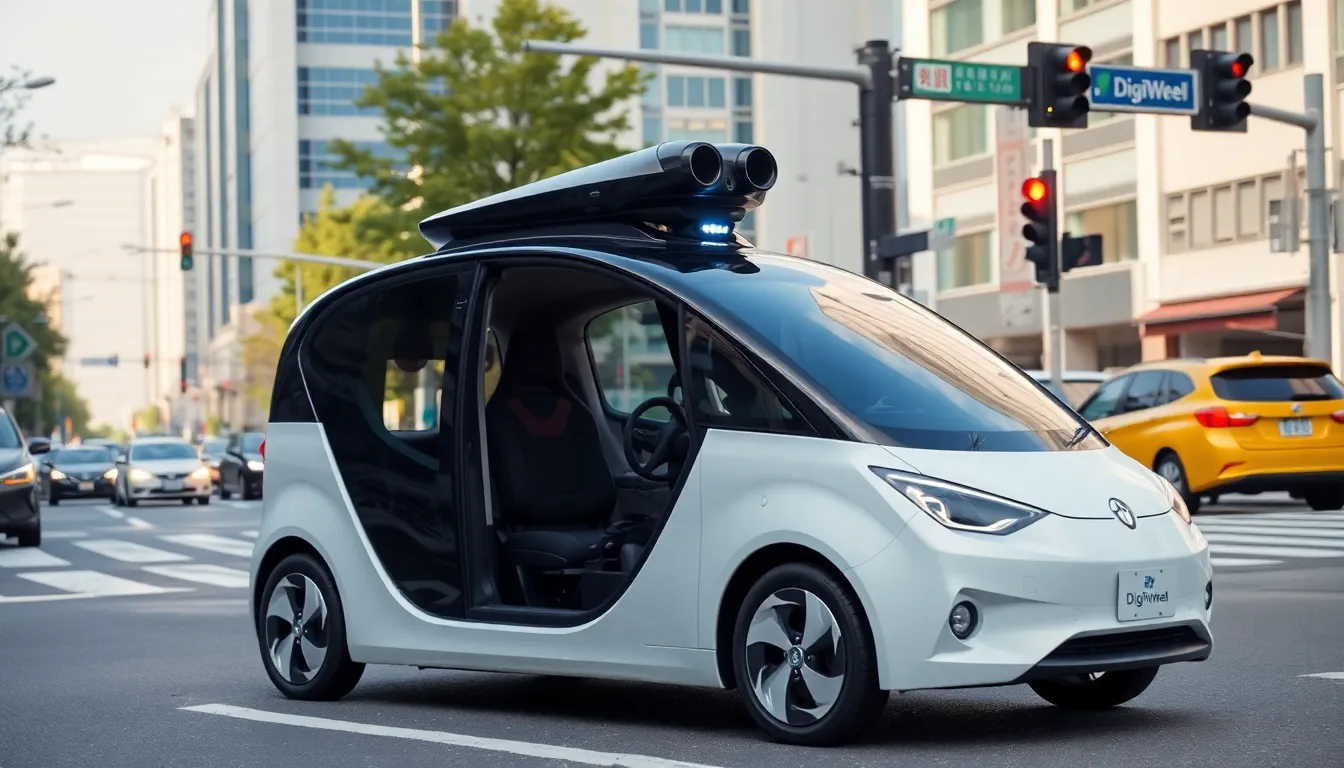
DigiWheel emerged as a key innovator in 2023, focusing on interactive digital wheels that enhance user engagement across various sectors, including gaming, entertainment, and marketing. The company’s products blend aesthetics with functionality, offering businesses tools that can captivate their audiences effectively.
For instance, in January 2026, DigiWheel introduced a revolutionary product that utilizes augmented reality to create immersive experiences. This product allows users to interact with the digital wheel in ways that were previously unimaginable, such as rotating elements with hand gestures or voice commands. The success of this launch represents DigiWheel’s agility in responding to market demands.
The competitive landscape in February 2026 reveals a fragmented market where many players are striving for dominance. DigiWheel stands out due to its commitment to innovation and a strong understanding of customer needs. The company’s market share has grown significantly, attributed to its adaptive strategies and a focus on user experience.
DigiWheel’s innovative products have found their way into several real-world applications, making them indispensable for various industries. From marketing campaigns to interactive installations in museums, their digital wheels have revolutionized how audiences engage with content.
For businesses looking to leverage DigiWheel’s technology, consider the following tips:
In conclusion, DigiWheel’s position in the market is a testament to its innovative spirit and adaptability. As we move further into 2026, it is essential for businesses to recognize the potential of such technologies and harness them effectively to stay ahead of the competition.
DigiWheel’s cutting-edge technology in February 2026 highlights real-time data processing. This innovation offers immediate interaction feedback, significantly enhancing user engagement. It’s particularly ideal for fast-paced environments, where delays can impact user satisfaction.
February 2026 brings customizable display features to DigiWheel, allowing personalization to fit brand aesthetics. This upgrade is especially appealing to marketing professionals looking to incorporate branding seamlessly.
Ensuring seamless integration across devices, multi-platform compatibility in DigiWheel reduces setup time and complexity. It’s a milestone for February 2026, demonstrating adaptability to various technological ecosystems.
In February 2026, DigiWheel leverages AI to provide deep insights into user behavior. These analytics are invaluable for strategic planning, helping businesses understand and predict user needs.
Interactive game modes elevate the entertainment value of DigiWheel, making it perfect for event hosting and venues. As part of the February 2026 updates, these game modes aim to boost user engagement through dynamic experiences.
With advanced encryption, DigiWheel’s enhanced security protocols protect user data, a crucial aspect for maintaining trust. February 2026 marks a step forward in ensuring user confidence in digital interactions.
In February 2026, DigiWheel benefits from a growing, supportive user community. This network shares valuable tips, ideal for troubleshooting and fostering innovation.
Focusing on eco-friendly materials, DigiWheel embraces sustainable design practices in February 2026. These efforts cater to environmentally conscious users who value sustainability.

DigiWheel’s immersive audio-visual effects create an engaging environment, especially beneficial for immersive learning experiences. February 2026 marks the culmination of this enhanced multimedia integration.
February 2026 introduces cost-effective maintenance solutions in DigiWheel, reducing operational costs through low maintenance requirements, ensuring affordability without compromising quality.
With the introduction of AR compatibility, DigiWheel enhances user interaction using AR technology. This innovation, launched in February 2026, is ideal for educational applications, enhancing learning experiences.
Facilitating remote operation and updates, DigiWheel’s cloud-based connectivity options, highlighted in February 2026, increase operational flexibility. This advancement simplifies management and usage.
Real-time data processing offers immediate interaction feedback, enhancing user engagement. This feature is especially beneficial in fast-paced environments where quick responses are crucial. By utilizing this, businesses can ensure their users are always in the loop and engaged.
DigiWheel’s customizable display features allow personalization to fit brand aesthetics. This capability appeals to marketing professionals who seek to align their digital tools with brand identity effectively. Customization strengthens brand presence and resonates with the target audience.
Ensuring seamless integration across devices, DigiWheel provides multi-platform compatibility that reduces setup time and complexity. This feature allows businesses to streamline operations irrespective of the device, enhancing workflow efficiency.
Utilizing AI-powered user analytics, DigiWheel offers deep insights into user behavior, providing invaluable data for strategic planning. It helps businesses to anticipate market trends and tailor their offerings accordingly.
DigiWheel elevates entertainment value with its interactive game modes, making it perfect for event hosting and venues. These modes captivate audiences, creating memorable experiences that foster positive brand associations.
Protecting user data with advanced encryption, DigiWheel’s enhanced security protocols are crucial for maintaining trust. Businesses can ensure their clients’ information is secure, leading to increased confidence and brand loyalty.
The wide network of DigiWheel users offers a supportive community for sharing tips, ideal for troubleshooting and innovation. This community provides a platform for collaboration and knowledge exchange.
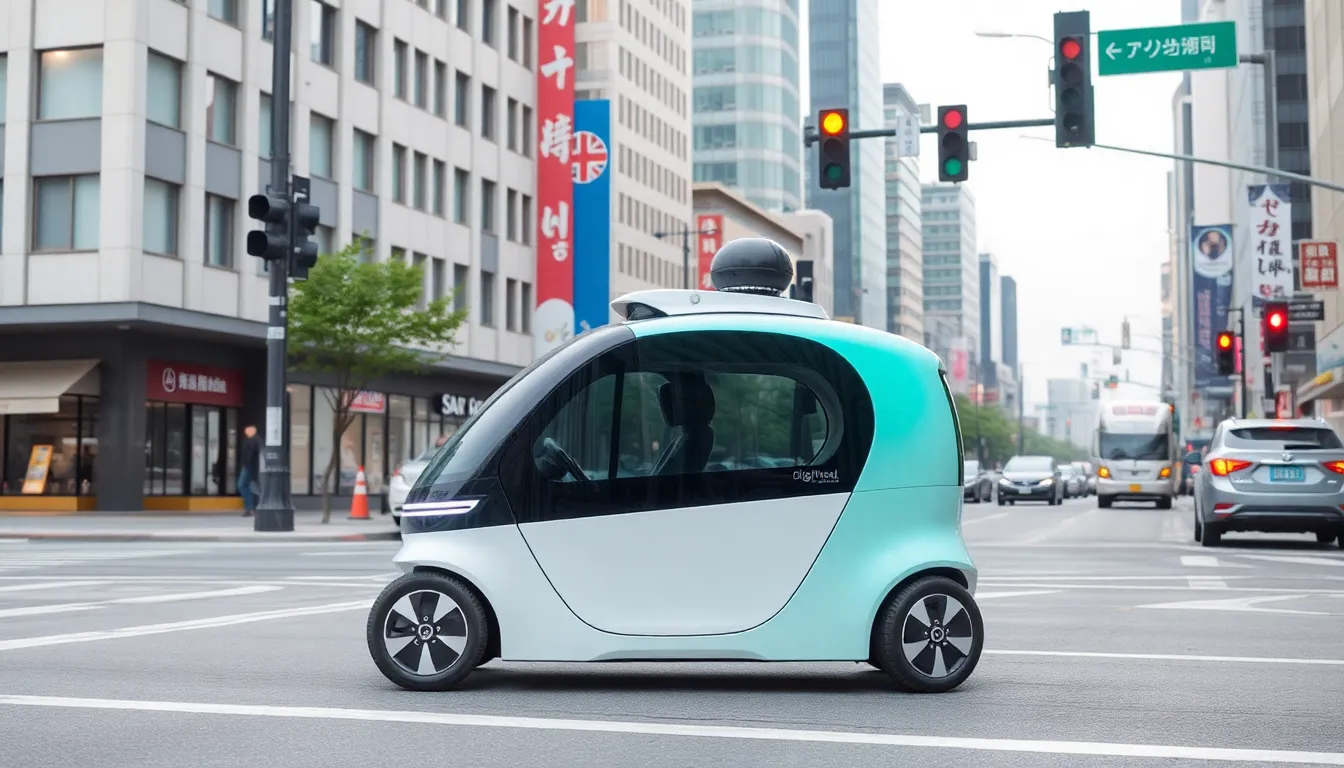
Focusing on eco-friendly materials, DigiWheel’s sustainable design practices appeal to environmentally conscious users. This approach not only supports ecological efforts but also enhances brand reputation as being socially responsible.
DigiWheel creates an engaging environment with its immersive audio-visual effects, beneficial for immersive learning experiences. This feature makes content more appealing and can significantly improve user retention and engagement.
DigiWheel offers cost-effective maintenance solutions, reducing operational costs through low maintenance requirements. This feature allows businesses to allocate resources to other strategic areas efficiently.
Enhancing user interaction with AR technology, DigiWheel’s augmented reality compatibility is ideal for educational applications. It provides an added layer of engagement, making experiences more interactive and educational.
Facilitating remote operation and updates, DigiWheel’s cloud-based connectivity options increase operational flexibility. This feature allows for real-time updates and managed services from any location, crucial for modern business dynamics.
A: DigiWheel is designed for interactive entertainment and gaming, offering versatile applications across educational, marketing, and professional environments.
A: It enhances user experience by utilizing real-time data processing and customizable displays, which together facilitate unique and engaging interactions tailored to each user.
A: While DigiWheel provides many benefits, challenges include keeping security measures current and ensuring compatibility across various devices, which can sometimes complicate usage.
A: Industries such as entertainment, education, and event management benefit significantly from DigiWheel due to its interactive and customizable features that enhance engagement.
A: DigiWheel employs advanced security protocols to safeguard data, which is essential for maintaining user trust and adhering to regulatory requirements.
A: Its flexibility and innovative features have made DigiWheel particularly desirable, paralleling the growing demand for interactive technology in various sectors.
A: Yes, DigiWheel is designed with multi-platform compatibility, allowing for seamless integration with various existing digital ecosystems.
A: Users can find support through a vibrant community and professional resources available online, fostering collaboration and assistance for all users.
A: The cost of implementing DigiWheel can vary based on the features and scale required; however, it generally provides cost-effective solutions through sustainable design and maintenance practices.
A: DigiWheel incorporates eco-friendly materials and sustainable practices, aligning with global goals for sustainability and reducing environmental impact.
As DigiWheel approaches the pivotal moment of February 2026, the landscape of innovation and growth becomes increasingly essential. The insights gathered over the past months point toward a future rich with opportunity, especially in leveraging technological advancements and understanding user needs. Emphasizing community engagement and sustainability will also play a critical role in shaping the next steps for DigiWheel, ensuring it remains relevant and impactful in the ever-evolving market.
Looking ahead, it is crucial for DigiWheel to stay agile and adaptive, facilitating continuous improvement and exploring new horizons that align with its mission of enhancing the user experience.