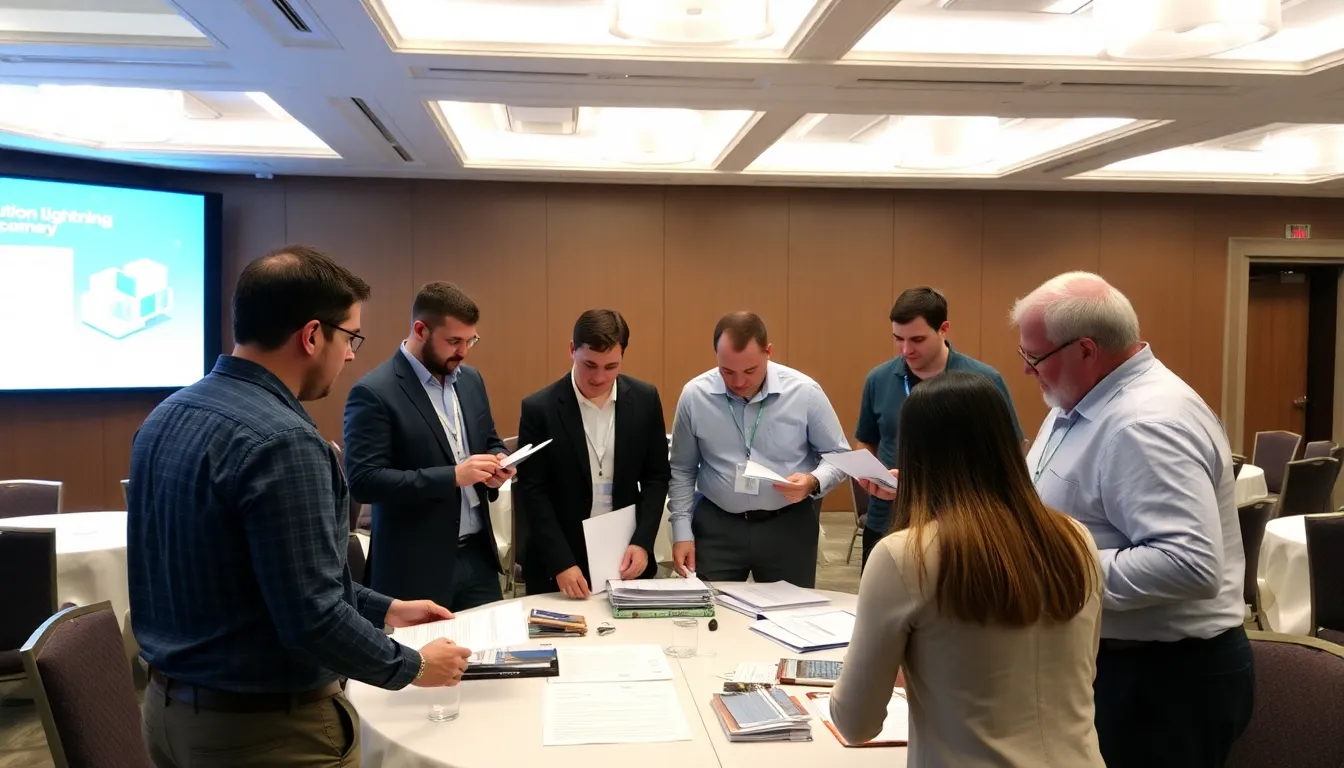
solution
Exploring Evolution Lightning Trends and Insights for March 2026
Understanding these changes is essential in preparing for future environmental challenges, much like exploring the evolution of casino backgrounds reveals how trends adapt over time.
The significance of examining lightning in the context of March 2026 lies in the broader implications these changes may have on ecosystems, infrastructure, and even human safety, similar to the SBOBET Overview that assesses impacts on the gaming ecosystem.
Furthermore, the month of March typically marks a transitional period in various regions, where winter shifts to spring. This transition can intensify thunderstorms and thereby increase lightning activity, making it a focal point for discussions surrounding lightning evolution. By understanding the trends and patterns leading up to this pivotal point, we can better prepare for what the future holds. As we journey through the nuances of lightning in March 2026, we aim to equip ourselves with knowledge that could mitigate risks associated with this powerful natural force.
This exploration will cover key aspects of lightning evolution, including the mechanisms behind its formation, the impact of climate change, and the integration of new technologies for monitoring and prediction.
At its core, lightning is an electrical discharge resulting from the difference in electrical charges within a storm cloud. When these charges accumulate, the air becomes ionized, allowing the discharge to occur in the form of a bright flash. Understanding this mechanism is critical, as it sets the foundation for how we will interpret data in 2026.
For instance, researchers have begun using high-speed cameras to capture the rapid processes that occur during lightning strikes, providing unprecedented insights into how conditions change within a storm. By analyzing this data, scientists can refine their models of lightning formation, which is essential for predicting when and where lightning might strike.
Climate change has a profound influence on atmospheric conditions, leading to an increase in the frequency and intensity of storms globally. In 2026, researchers are focusing on how these changes affect lightning activity. As warmer temperatures lead to more moisture in the atmosphere, the potential for electrical discharge also rises, leading to more frequent lightning storms.
Understanding these implications is crucial for communities that need to prepare for increased lightning activity and the potential for property damage or injuries.
In the realm of technology, 2026 brings significant advancements in lightning monitoring systems. Traditional methods of observing lightning, such as lightning detection networks, are being supplemented by cutting-edge technologies such as satellite imaging and artificial intelligence.
For example, some researchers are employing machine learning algorithms to analyze data from numerous sources, creating predictive models that can forecast lightning activity with greater accuracy. This technology enables real-time alerts and warnings, empowering communities to take proactive measures during storm events.
To implement these innovations effectively, it is essential for individuals and organizations to embrace available resources, such as mobile apps and community meteorological programs, that provide timely information on potential lightning activity.
Conclusion
The evolution of lightning studies in 2026 highlights the intersection of nature, technology, and climate change. By leveraging new scientific discoveries and innovative technologies, we stand to gain a more thorough understanding of this powerful natural phenomenon. It is vital for scientists, communities, and individuals to stay informed about these changes to enhance safety and preparedness in the face of increasingly volatile weather patterns.
Lightning engineering is a field that has seen a significant evolution over the years, primarily due to advancements in technology and methods of analysis. The objective of lightning engineering is to design systems capable of withstanding the effects of lightning strikes while also ensuring the safety of structures and their inhabitants. In recent years, there has been a notable shift toward more innovative techniques that enhance the effectiveness of lightning protection systems.
One of the groundbreaking methods is the use of advanced simulation software that allows engineers to predict the behavior of lightning strikes in various scenarios. This technology has enabled engineers to model how lightning interacts with different materials and structures, leading to improved design protocols. For instance, a recent project implemented this software to model a new skyscraper, facilitating design adjustments that minimized potential damage during a storm.
As we look towards the future, several emerging trends stand out in the realm of lightning engineering. These include:
To illustrate, a case study conducted in 2022 involved the retrofitting of a historical building with a state-of-the-art smart lightning protection system. This project not only provided the building with the necessary safeguards against lightning but also incorporated educational elements to inform the public about lightning safety, thereby fostering community awareness.
For engineers seeking to implement these innovative techniques, consider the following practical tips:
The closer connection with organizations such as Evolution Lightning, established in March 2026, showcases how collaboration and community efforts can lead to better standards and practices in lightning engineering. Their commitment to fostering innovation and sharing knowledge in lightning safety and protection emphasizes the ongoing evolution of this critical field.
In conclusion, the landscape of lightning engineering is poised for further advancement. By adopting innovative techniques and being open to emerging trends, engineers can enhance the safety and resilience of structures in lightning-prone areas. As we progress, these innovations not only protect physical assets but also serve to safeguard lives, proving that the evolution of lightning engineering is both necessary and impactful.
As the world becomes increasingly digital, the speed and efficiency of financial transactions are more crucial than ever. With advancements in technology, methods for securing and expediting transactions are evolving, particularly with the growing popularity of decentralized finance systems. Among these, the Lightning Network stands out as a promising solution for facilitating rapid cryptocurrency transactions. However, adaptation to this technology is not without its challenges.
The Lightning Network is a second-layer protocol that operates on top of a blockchain, allowing for faster and cheaper transactions by creating off-chain payment channels. This vastly improves transaction speed and reduces network congestion while providing additional privacy benefits. By enabling microtransactions, Lightning opens doors to new economic models and applications that were previously impractical on traditional blockchains.
Although the potential of the Lightning Network is undeniable, the transition to using such technology can present several obstacles for both consumers and businesses.
For instance, a small business considering implementing Lightning payments might be deterred by the complexity of setup or the perceived risk of using an evolving technology. This hesitation can slow down the broader adoption necessary for the network’s success.
To successfully navigate these challenges, educational initiatives and robust support systems are crucial. Here are a few strategies to consider:
The evolution of the Lightning Network is particularly notable as we approach March 2026, when significant technological upgrades are expected to further enhance its capabilities. Businesses willing to adopt and adapt during this time may find themselves at the forefront of a financial revolution. By embracing ongoing education and fostering secure and interconnected ecosystems, the hurdles posed by Lightning can be effectively surmounted.
In conclusion, while challenges may arise in adapting to the Lightning Network, the potential rewards far outweigh the risks. With strategic planning and community support, individuals and businesses can effectively leverage this technology, paving the way for a future where transactions are more efficient, cost-effective, and secure. As the ground evolves beneath our feet, those who adapt quickly will lead the charge into a new era of financial transactions.
The rapid advancements in lightning technology represent a significant potential for multiple industries, providing innovative solutions for efficiency, safety, and productivity. Understanding how these advancements are applied in real-world scenarios can guide businesses and individuals towards making informed decisions in leveraging the benefits of lightning technology.
One of the foremost applications of lightning advancements is in the transportation sector. High-speed rail systems across the globe are now utilizing advanced lightning systems to improve safety and increase the speed at which trains can operate. For instance, the use of lightning detection systems helps predict and respond to inclement weather conditions more effectively.
A notable case is the integration of these systems in the European high-speed trains, reducing downtime during thunderstorms and enhancing passenger safety. Onboard technologies can alert passengers and ground services in real-time, ensuring a proactive approach to safety.
For those involved in transportation management, considering the integration of lightning systems can lead to smoother operations and improved safety protocols. Regular updates and trainings should be conducted about best practices with the new technologies to maximize their effectiveness.
In the energy sector, lightning advancements play a critical role in enhancing grid reliability and efficiency. Power companies are increasingly implementing lightning surge protection systems to safeguard equipment from lightning strikes, which can cause significant downtime and loss of service. The recent upgrades in technologies have enabled energy providers to predict lightning activity and take preventive measures to protect critical infrastructure.
A prime example can be witnessed in the renewable energy sector, where wind farms are utilizing updated lightning strike prevention systems. By integrating these systems, they not only protect their turbines but also enhance operational longevity. This proactive approach helps in minimizing maintenance costs while ensuring uninterrupted energy supply.
For stakeholders in the energy sector, investing in upgraded lightning protection measures is essential. Regular audits of existing systems and collaborations with technology providers can pave the way for enhanced resilience against natural disturbances.
The agricultural industry is also harnessing the benefits of lightning advancements, particularly in remote sensing and environmental monitoring. With the ability to assess and predict weather patterns accurately, farmers are better equipped to manage irrigation and crop safety, thereby optimizing yields.
For instance, some innovative farms now utilize real-time lightning detection systems to alert them about potential storms, allowing for timely crop protection measures. This not only preserves crops but also maximizes farmers’ profits by minimizing loss due to weather-related damages.
Farmers looking to implement such technologies should consider investing in compatible systems that integrate with existing agricultural tools. Forming partnerships with tech companies specializing in agricultural innovations can facilitate these adaptations while ensuring farmers stay ahead of weather challenges.
The evolution of lightning advancements heralds a new era for numerous industries, steering them towards enhanced safety and efficiency. With upcoming innovations promised for the future, particularly focusing on systems expected to roll out by March 2026, organizations must stay informed and adaptable to leverage these advancements effectively. Continuous education and training, alongside robust partnerships with technology providers, will be crucial for maximizing the benefits that lightning technology offers across various sectors.
As we look to the horizon, the integration of these systems not only holds potential for dramatic improvements in operational practices but also promises a shift toward more resilient and responsive industries, ready to tackle the challenges posed by nature.

Lightning AI Solutions utilizes artificial intelligence to optimize lighting systems adaptively. This innovative approach is particularly suited for smart city grids, offering remarkable efficiency. However, to implement these solutions, a significant initial investment is required.
EcoBright Systems focus on eco-friendly and cost-effective lighting solutions. Designed for sustainable urban environments, they excel at reducing energy consumption without sacrificing performance. Their solutions are ideal for areas prioritizing environmental responsibility.
FlashStream Tech revolutionizes how businesses integrate and analyze lightning data in real-time. This is perfect for enterprises wanting to enhance their data-driven decision-making. However, to fully leverage its capabilities, specialized training might be necessary.
Luminous Innovators stands out with its cutting-edge research and development efforts. They focus on market-leading efficiency technologies. Their solutions are best suited for those prioritizing long-term returns on investment.
StormGuard Pro specializes in protective lightning measures, making it ideal for regions prone to severe weather. It offers comprehensive safety solutions, although at a higher operational cost.
GlowRider Tech provides dynamic lighting solutions that adjust to environmental changes. This technology is highly efficient, particularly in residential areas that aim to balance comfort with energy savings.
VoltSmart Innovations offers scalable lighting solutions, ideal for both large and small projects. Their adaptability makes them versatile, but implementing these systems can be time-consuming.
BrightWave Technologies focuses on providing high-intensity lighting ideal for industrial use. While extremely effective for harsh environments, they consume considerable power, emphasizing the need for a power-efficient setup.
SparkVision Systems enhances security with lightning solutions integrated with advanced surveillance. Such integration strengthens security protocols but necessitates a sophisticated security framework for optimum performance.
LightSphere Platforms is known for modular lighting solutions that offer flexibility for various applications. Ideal for creative projects, their systems may incur higher costs due to customization needs.
BeamGuardian Solutions provides reliable lighting for public infrastructures such as highways and bridges. While highly reliable, their systems require regular maintenance to ensure longevity.
RayShift Dynamics offers lightweight lighting systems that are easy to install, ideal for temporary or mobile setups. Their ease of installation comes at the price of reduced durability in permanent installations.
The evolution of lighting technology in the “EvolutionLightning 2026 March” period is expected to incorporate these diverse and advanced solutions to meet the varied demands of modern infrastructure and sustainability initiatives.
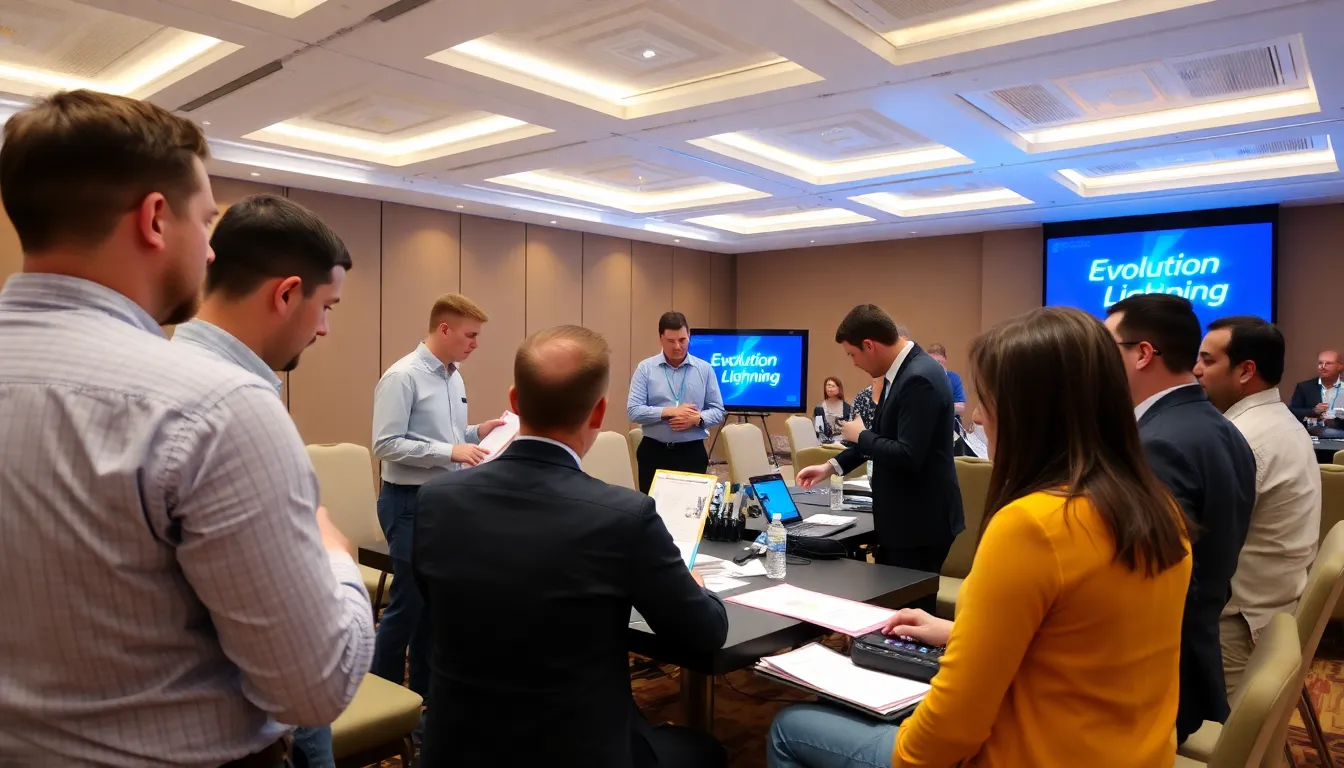
Lightning AI Solutions harnesses AI for adaptive lightning optimization, making it ideal for smart city grids. While it offers high efficiency, substantial initial investment may be required.
EcoBright Systems are eco-friendly and cost-effective, specifically designed for sustainable urban areas. They excel in energy reduction without compromising performance, making them a popular choice.
FlashStream Tech specializes in streamlining lightning data integration, making it perfect for enterprises seeking real-time analysis. However, it might require specialized training for optimal use.
Luminous Innovators is renowned for cutting-edge R&D, excelling in market-leading efficiency technologies. This is best suited for those prioritizing long-term ROI.
StormGuard Pro focuses on protective lightning measures, ideal for regions prone to severe weather. It offers robust safety but comes with higher operational costs.
ThunderWave Solutions offers innovative synchronization of lightning systems, aligning perfectly with the evolving standards set for March 2026.
LuminaMax Technologies focuses on maximizing lighting coverage while minimizing energy consumption, making it suitable for large-scale public projects.
RainShield Electronics specializes in waterproof lightning technologies, crucial for coastal or rainy regions.
PhotonAxis Innovations focuses on achieving perfect light distribution, crucial for areas requiring balanced illumination.
BrightPulse Engineering is a leader in pulse-width modulation techniques, perfect for reducing flicker effects in industrial uses.
VoltEvo Systems are at the forefront of transforming traditional lighting setups into smart ecosystems, aligning with “Evolutionary Lightning 2026 March” trends.
SparkSense Dynamics optimizes the use of sensors to enhance lighting automation and efficiency, essential for modern smart buildings.
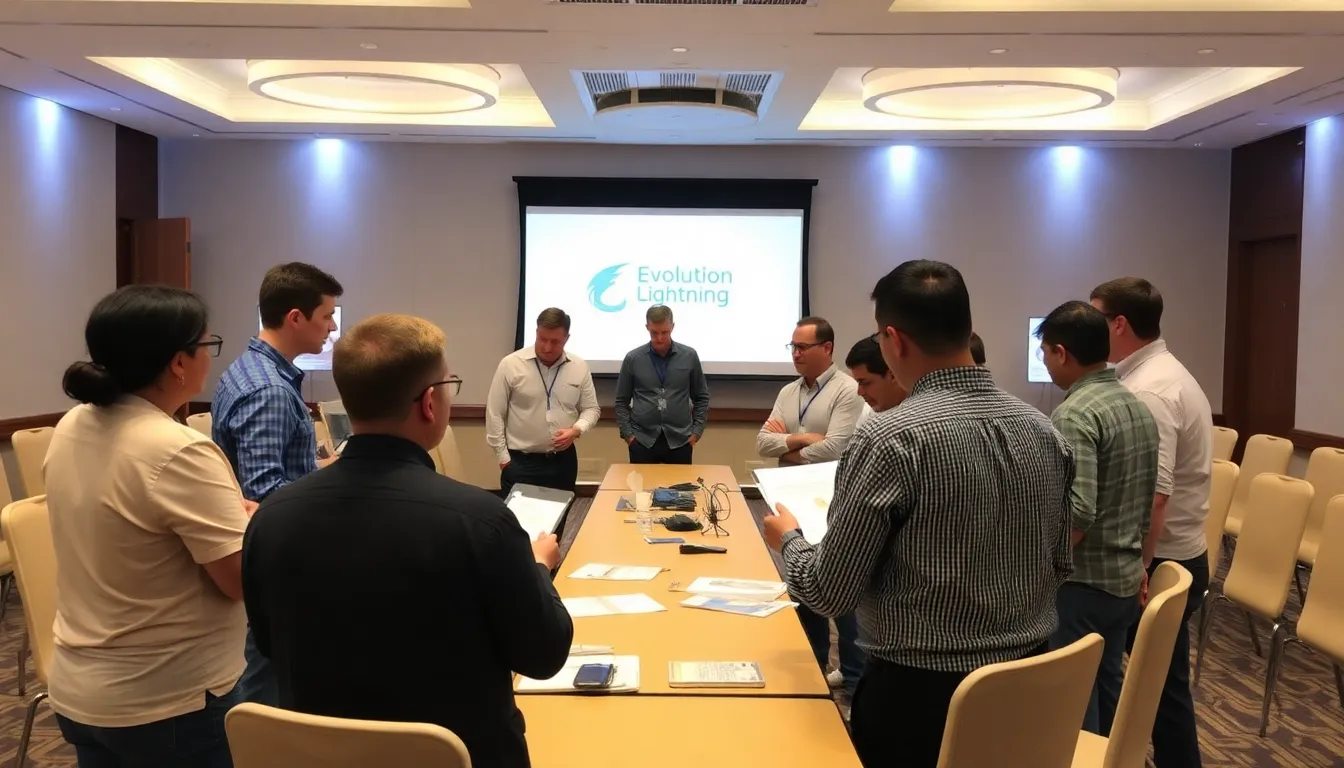
The rise of Lightning systems marks a significant shift in the way we perceive and utilize electricity. Often described as a more efficient and cost-effective alternative to traditional energy systems, Lightning systems offer instantaneous transactions, reduced fees, and increased scaling capabilities. In this article, we will delve into the critical components for successfully implementing Lightning systems, touching on practical examples, best practices, and the impact of this evolution on the energy sector, especially in view of the upcoming developments in March 2026.
At the core of the Lightning system is its ability to facilitate near-instantaneous transactions by creating off-chain payment networks. This allows for transactions to occur without needing to record every interaction on the main blockchain, significantly reducing congestion and processing times. The technology works by creating payment channels between users, enabling them to transact unlimited times without having to settle every transaction on the blockchain.
An example of how this operates can be seen in micropayments for digital content. For instance, a user could pay a small fraction of cryptocurrency to access an article without waiting for network confirmations or incurring high fees associated with each transaction. This model opens up new revenue streams for content creators and enhances user experience.
To effectively implement Lightning systems, organizations and individuals alike should consider the following strategies:
As we prepare for advancements noted in discussions surrounding “Evolution Lightning in March 2026,” it is vital to remain aware of the upcoming enhancements and regulatory frameworks that could shape Lightning implementation.
The evolution of Lightning systems is not just about technology; it represents a transformative journey toward a more decentralized and efficient energy landscape. As we anticipate the developments associated with the “Evolution Lighting 2026,” we can foresee advancements in smart contracts, transactions, and integration with IoT devices, enabling a more interconnected approach to energy consumption.
For businesses, this means adapting to a landscape where energy trading could become commonplace. Companies can leverage Lightning systems to buy and sell energy directly, bypassing traditional utility structures. Consumers might participate in peer-to-peer energy trading, creating a more sustainable and responsive energy grid.
In conclusion, the strategic implementation of Lightning systems signifies a pivotal point in our energy usage and transaction processing. By understanding the fundamental principles, engaging with the technological advancements, and preparing for the future, stakeholders can tap into the myriad opportunities presented by this innovative system.
Urban planning is undergoing a significant transformation, fueled by innovative technologies and sustainable practices. As we look forward to March 2026, the concept of ‘lightning’ in urban planning emerges not only as a metaphor for speed and efficiency but also as a literal reference to the implementation of advanced electrical systems in urban infrastructures. This integration promises to reshape city environments, enhancing livability and sustainability.
At its core, lightning in urban planning highlights the swift adoption of smart technologies that enhance urban life. This includes the integration of renewable energy sources, smart grids, and efficient public transportation systems. The aim is to create a city that can respond dynamically to the needs of its inhabitants, much like a lightning strike brightening the sky.
One concrete example of this evolution is the electrification of public transport systems in cities such as San Francisco. Electric buses and trams not only reduce carbon emissions but also provide a quieter and smoother ride for passengers. As more cities follow this model, we will likely witness a shift toward zero-emission urban mobility, reducing air pollution and enhancing the quality of life for residents.
As we approach March 2026, the connection between urban planning and technologies related to ‘lightning’ signifies a major paradigm shift. Cities can harness the power of innovative designs and smart technologies to create environments that not only meet the current demands of their residents but also anticipate future challenges.
The future of urban development lies in our ability to integrate technologies that enhance livability, reduce environmental impact, and improve overall city efficiency. By focusing on the principles of electrification and smart urban planning, we can create vibrant, dynamic urban spaces that are not just functional, but also sustainable and enjoyable to inhabit. As cities worldwide look to the future, the ethos of ‘lightning’ could truly light the way.
A: Evolution lighting in 2026 utilizes advanced artificial intelligence and environmentally friendly techniques, which significantly improves urban infrastructure and boosts energy efficiency.
A: Eco-friendly lighting systems lower carbon emissions and reduce energy usage, which supports sustainable urban growth and aligns with global environmental initiatives.
A: Key challenges include high initial costs, complexities in integration, and the necessity for skilled workers who can manage these advanced systems effectively.
As technology continues to advance, the landscape of lightning innovations will transform dramatically. The potential for improved efficiency, safety, and sustainability in various industries is immense, presenting exciting opportunities for businesses and creators alike to harness these developments. Keeping an eye on emerging trends and participating in discussions surrounding advancements like those from Evolution Lightning in March 2026 will be crucial for staying ahead.