solution
Discovering Oriental Game Backgrounds: An In-Depth Guide
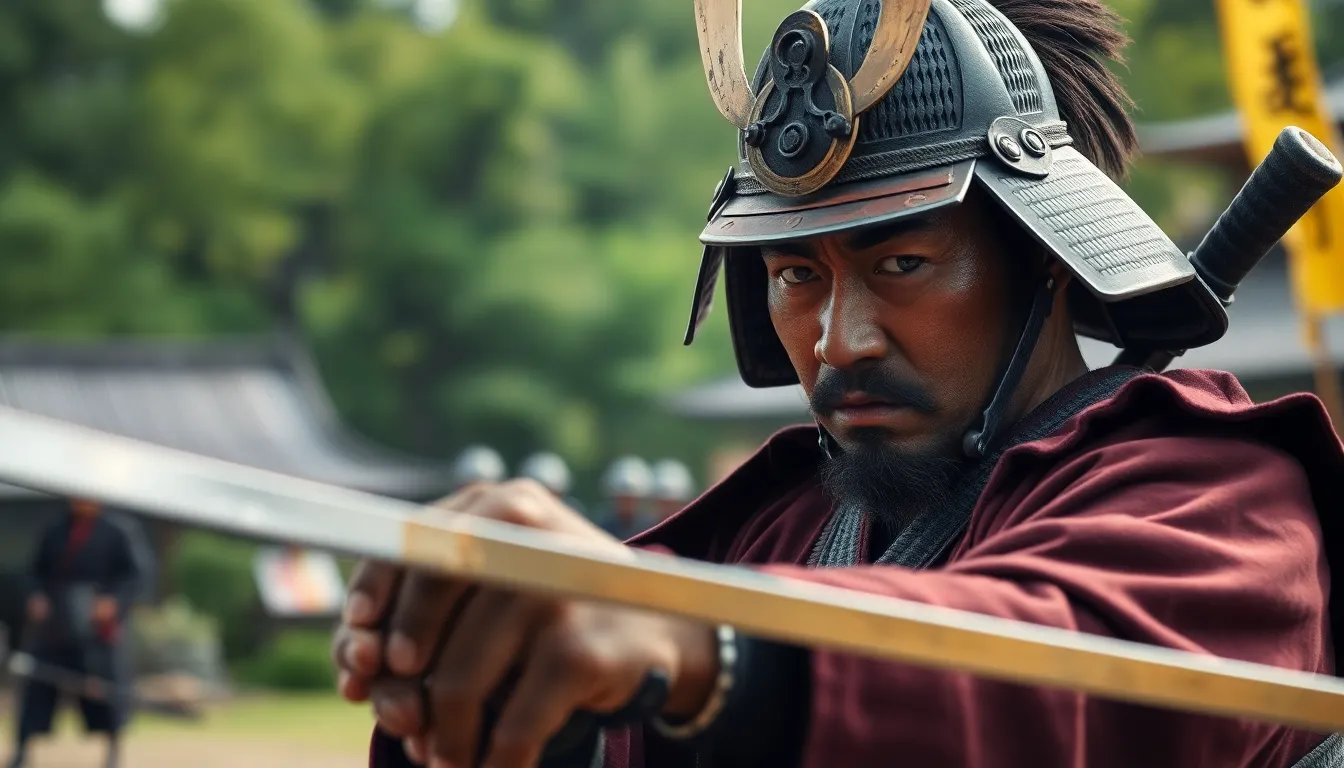
In the ever-evolving landscape of video game design, Oriental game backgrounds are gaining significant attention and admiration. These captivating environments, steeped in history, culture, and artistry, offer players not just a visual feast but an immersive experience that transports them to distant lands. If you’re interested in more insights, check out Comprehensive Guide to Allbet License. As the gaming industry continues to expand, understanding the richness of Oriental themes in game backgrounds has never been more essential.
The importance of this topic extends beyond aesthetic appeal. Oriental game backgrounds encapsulate the essence of diverse cultures, stories, and traditions, making them pivotal in creating meaningful narratives and emotional connections with players. As we reach towards the conclusion of 2025, December will mark a critical period where developers increasingly recognize the value of these cultural elements in crafting their games.
As global audiences seek novelty and depth in their gaming experiences, integrating Oriental influences can enhance gameplay while fostering a greater appreciation for cultural diversity. Players today crave authenticity and depth, making the exploration of these rich backgrounds not just relevant but crucial for developers aiming to engage and retain their audience effectively.
Ultimately, the exploration of Oriental game backgrounds invites players to journey beyond mere entertainment. It challenges us to reflect on the intricate relationships between culture and technology, and how they shape the worlds we explore. In this article, we will delve deeper into the artistic, narrative, and cultural significance of these backgrounds, shedding light on why they deserve a central place in the discussion of modern game development.
The world of games is a reflection of the cultures that create them. Oriental games, particularly those originating from East Asia, carry with them a rich tapestry of traditions, philosophies, and social norms that define the way they are played. These games are not merely entertainment; they are an integral part of the cultural fabric, conveying values and life lessons that have been passed down through generations. For a further exploration of the social aspects of gaming, see Exploring the World of Hotel5slot.
Many Oriental games have roots that extend deep into history. Take, for instance, the game of Go, which is believed to have been invented in China over 2,500 years ago. Initially devised as a strategic tool for military training, Go evolved into a revered intellectual pursuit. Its deep philosophical underpinnings and complex strategies reflect the ancient Chinese emphasis on balance, harmony, and the art of war.
Oriental games often incorporate philosophies such as Confucianism and Taoism, which emphasize harmony, respect, patience, and self-cultivation. For example, in Go, players must contemplate not only their moves but also how they impact the overall game, teaching the importance of foresight and ethical decision-making. This reflective approach to gaming encourages players to engage deeply with the concepts and values inherent in the game, serving as metaphors for life itself.
Moreover, many cultures approach games as communal activities. In this sense, playing an Oriental game often becomes a social event, fostering connections and reinforcing communal ties. Consider the game of Mahjong, where players gather not just to compete but also to bond through shared experiences and conversations.
Understanding the roots of these games offers contemporary practitioners valuable insights that extend beyond the playing field. For instance, incorporating the strategic thinking and problem-solving aspects of Go into business strategies can lead to more innovative and calculated decisions. Similarly, the social dynamics experienced in Mahjong can enhance team-building exercises in corporate environments. Here are some practical tips:
In conclusion, the cultural roots of Oriental games are not merely historical curiosities but vibrant narratives that continue to shape our understanding of strategy, social interaction, and moral values. By appreciating these games through their cultural lenses, we not only enrich our leisure activities but also gain valuable life lessons that can enhance our personal and professional endeavors.
Symbolism plays an essential role in game design, particularly in the context of Oriental games, where cultural and historical elements shape gameplay and narrative. This approach enhances the player’s experience by infusing deeper meanings into game mechanics, character designs, and environments. As players engage with these symbols, they uncover layers of significance that resonate with traditions and philosophies unique to Oriental cultures. To better understand the terminology behind these elements, consider visiting The Definitive Guide to Slot Terminology and Expert Recommendations.
For instance, in many Eastern role-playing games, symbols like dragons or cherry blossoms are not merely aesthetic choices but are imbued with rich meanings. The dragon often represents strength, wisdom, and protection, while cherry blossoms symbolize the transient nature of life, reflecting the philosophical concept of impermanence from Eastern thought. Such symbols guide player actions, shaping their understanding of the game world and their character’s role within it.
Engaging with symbolism in gameplay can significantly enhance immersion. For example, in a game set in ancient China, players might encounter a quest revolving around the celebration of the Lunar New Year. This event is marked by traditional symbols such as the lion dance and red lanterns. When players participate in these activities, they do not merely indulge in festive gameplay; they also experience the cultural rituals that define the celebratory atmosphere of the region.
Game developers looking to integrate symbolism effectively should consider a few key strategies:
By correctly employing symbolism in Oriental game design, developers can create richer narratives that not only entertain but also educate players about the cultures they are engaging with. As players decipher the game’s symbolic language, they gain a deeper connection to the story and the world crafted around them.
Ultimately, the thoughtful integration of symbolism enhances the gameplay experience and contributes to a greater understanding of Oriental traditions and philosophies. This adds value beyond mere entertainment, fostering an appreciation for the cultures that inspire these games.
In the realm of video games, the integration of oriental themes has become a compelling aspect that shapes player experiences in diverse ways. These themes often reflect rich cultural narratives, unique aesthetics, and traditional philosophies that resonate with players, creating a depth that enhances the gaming experience. Oriental themes can transform a simple gaming session into an immersive journey filled with discovery and meaningful interactions.
One of the most striking features of oriental-themed games is their visual appeal. Games that incorporate elements from oriental cultures often feature vibrant landscapes, intricate architecture, and detailed character designs. For example, titles like “Ghost of Tsushima” showcase the breathtaking beauty of feudal Japan, bringing to life lush forests, majestic mountains, and historically accurate representations of samurai culture. This attention to detail not only captivates players but also provides a sense of authenticity that enhances immersion.
Moreover, the choice of color palettes and art styles further enriches the aesthetic experience. The use of harmonious colors and traditional patterns can evoke a feeling of tranquility and wonder, which is essential for player engagement. The visuals become a canvas through which stories of the past are told, allowing players to connect with a world deeply rooted in history and tradition.
Another important aspect of how oriental themes influence player experience lies in their narrative structures. Many oriental-themed games weave intricate stories that reflect the philosophies and morals inherent in various cultures. For instance, “Sekiro: Shadows Die Twice” not only challenges players with its gameplay mechanics but also invites them to explore themes of honor, rebirth, and the consequences of one’s actions, all of which draw inspiration from Eastern philosophies.
This storytelling approach allows players to engage with complex characters and plotlines, often leading to a greater emotional investment in the game. The narratives can challenge players’ perspectives, providing insights into cultural values that may differ from their own, thus enriching their understanding of global diversity.
In addition to visuals and narratives, the gameplay mechanics in many oriental-themed games reflect traditional practices, such as martial arts or strategic warfare. Games like “Mortal Kombat” not only showcase fighting styles rooted in Asian martial arts but also engage players in a practice of learning and mastering these techniques virtually.
These gameplay elements immerse players in a cultural framework, allowing them to experience the rhythmic flow of combat or the strategic depth of planning, which are integral parts of traditional eastern practices.
For game developers looking to create compelling oriental-themed games, there are several key considerations to keep in mind:
By thoughtfully integrating these elements, developers can craft experiences that not only entertain but also educate and inspire players, fostering a deeper appreciation for the richness of oriental cultures.
In conclusion, oriental themes in gaming provide more than just a backdrop; they serve as a gateway for players to engage emotionally, culturally, and intellectually. As the gaming industry continues to evolve, the influence of these themes will undoubtedly play a pivotal role in shaping future experiences for players worldwide.
As the gaming industry continues to expand and evolve, developers are increasingly looking toward the incorporation of diverse cultural elements into their games. Among these, Asian or Oriental elements have gained significant interest due to their rich traditions, aesthetics, and narratives. By harnessing these aspects, game developers can create immersive experiences that resonate deeply with players while enhancing the overall story and gameplay.
Before integrating Oriental elements into game development, it is crucial to understand the cultural contexts from which these elements arise. Different countries in Asia possess unique histories, philosophies, and artistic styles that can inform gameplay mechanics, character design, and narrative arcs. For instance, the concept of yin and yang from Chinese philosophy can influence character development or balance mechanics.
A relevant example can be seen in the popular game “Ghost of Tsushima,” which draws heavily from Japanese history and culture. The game successfully integrates historical narratives, traditional martial arts, and landscapes reflective of feudal Japan, offering players an educational yet entertaining experience.
Visual elements play a critical role in the gaming experience. Developers can draw from Oriental art styles, architecture, and nature to enhance game aesthetics. Traditional colors, patterns, and motifs can be used in character design, environments, and user interfaces. This not only lends authenticity but also sets a distinct atmosphere that players can appreciate. For example, a game may utilize the soft pastels and intricate designs seen in traditional Asian art to create a serene and mystical environment.
Game mechanics can also be informed by Oriental traditions, especially those that emphasize strategy, mindfulness, and balance. Games like “Sekiro: Shadows Die Twice” focus on precision, patience, and strategic thinking, reflecting the disciplined training associated with martial arts. Incorporating mechanics that require players to reflect, adapt, and think critically can enrich gameplay. Furthermore, the integration of mythological creatures from Oriental folklore could add unique abilities and challenges for players.
For instance, the character designs in “Monster Hunter: World” take inspiration from Asian mythology, featuring creatures like dragons and phoenixes that can captivate the player’s imagination and evoke a sense of wonder.
Finally, the narrative aspect should not be overlooked. Traditional tales and philosophies can provide a rich backdrop for storytelling. Incorporating themes such as honor, sacrifice, and the quest for enlightenment can resonate with players on a personal level. Developers should aim to represent these elements thoughtfully, ensuring that they avoid cultural appropriation and respect the cultures being portrayed. A prime example is the indie game “The Pathless,” which integrates elements of Native American mythology, another culture, but follows a respectful approach to storytelling.
In conclusion, integrating Oriental elements into game development not only enhances the immersive experience for players but also elevates the art of game storytelling. By understanding the cultural context, using distinct visual styles, creating engaging gameplay, and weaving rich narratives, developers can craft memorable and impactful gaming experiences that celebrate the beauty and complexity of Oriental traditions. As the industry grows, embracing cultural diversity will only enrich the landscape of game development, inviting players into worlds that are diverse, dynamic, and deeply resonant.
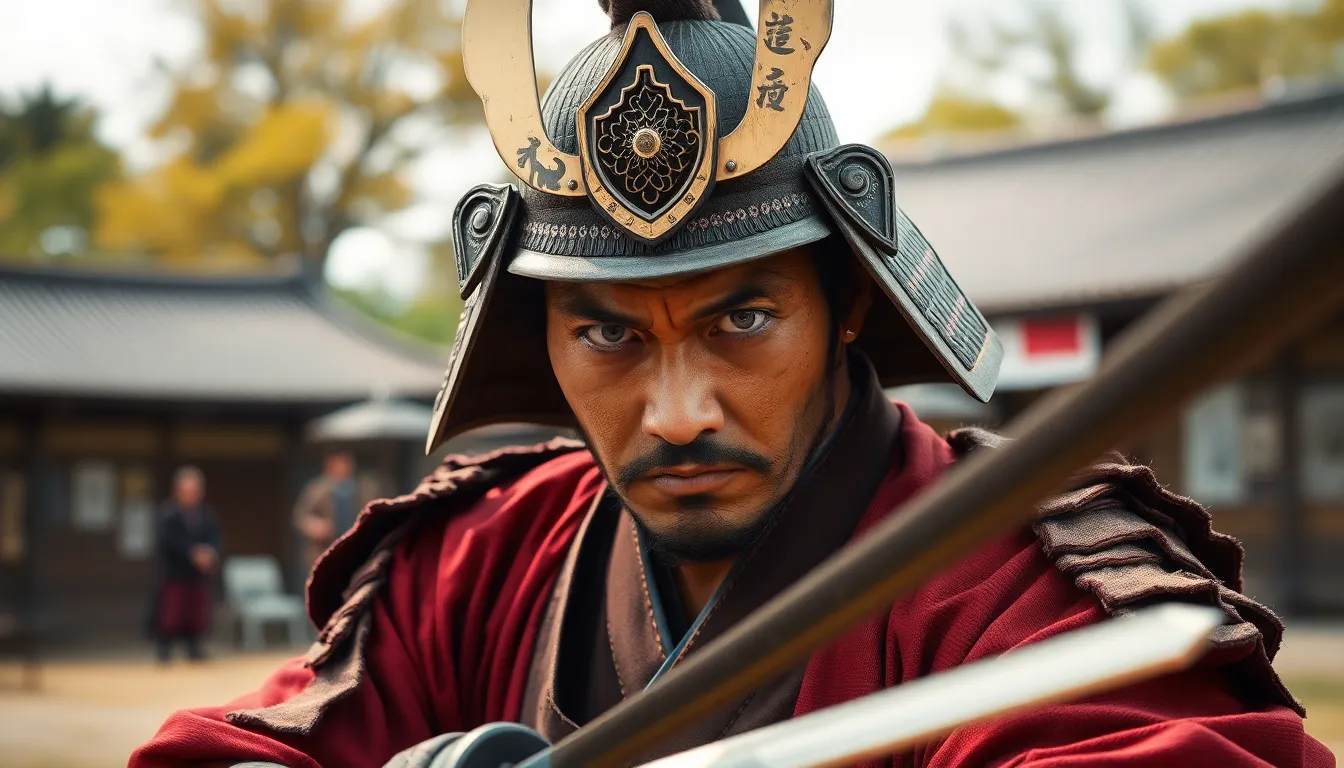
Designing game backgrounds that draw from Oriental aesthetics can be both exhilarating and challenging. The rich tapestry of culture, art, and history found in Oriental design offers immense potential for games. However, developers must tread carefully to avoid common pitfalls that can detract from the immersive experience they aim to create.
One of the foremost challenges in designing backgrounds is ensuring a respectful and accurate representation of the culture. Oriental design elements often carry deep cultural significance, and misrepresentation can lead to misunderstandings or even offense. For instance, using traditional symbols or motifs without understanding their meanings can inadvertently reinforce stereotypes or present a skewed view of a culture.
Take, for example, a game that features traditional Chinese architecture or landscapes. If the design team does not research the significance of these elements, they may incorporate features that do not belong together chronologically or culturally, which can alienate players who are familiar with the culture.
Another common mistake is the tendency to overload backgrounds with too many visual elements. While Oriental art is intricate and detailed, a game background should allow players to focus on the gameplay itself. Cluttered backgrounds can detract from the main action, leading to frustration rather than engagement.
A case in point would be a bustling marketplace scene filled with vibrant colors, detailed stalls, and numerous characters. While each of these elements might be appealing on their own, they can overwhelm players, making it hard for them to navigate and enjoy the game. Instead, developers should consider a balanced approach where key elements are emphasized while maintaining clear pathways for exploration.
Color choices are pivotal in setting the mood and tone of any game. In Oriental designs, certain colors may symbolize specific emotions or concepts. For instance, red often signifies good fortune in many Asian cultures, while white can represent mourning. Neglecting these cultural associations can lead to a disjointed aesthetic that feels inauthentic.
Imagine a fantasy game that features a predominantly dark color palette but incorporates bright, clashing colors without context. This can create a visual discord that might confuse players rather than enhance their experience. Developers must carefully consider how color choices reflect the cultural narratives they wish to convey.
The textures and materials used in a game’s backgrounds can deeply impact a player’s immersion. In Oriental designs, the use of natural materials like paper lanterns, bamboo, and stone can create a genuine atmosphere. However, many designs might default to generic textures that lack authenticity.
By prioritizing authenticity in textural design, developers can create visually stunning and believable environments that resonate with players.
Lastly, one of the most effective strategies to avoid pitfalls in Oriental game background design is to seek feedback from cultural experts or representatives. Engaging with individuals who have a deep understanding of the culture can provide valuable insights that enhance the game’s authenticity.
For example, conducting workshops or focus groups with cultural consultants can help prevent oversight and promote a more nuanced portrayal of Oriental backgrounds. This collaborative approach ensures that the game’s environment is both engaging and respectful, enriching the overall gaming experience.
In conclusion, designing Oriental game backgrounds requires a balance of creativity, cultural sensitivity, and practical execution. By understanding cultural contexts, avoiding visual overload, paying attention to color palettes, using authentic textures, and involving cultural experts, developers can craft immersive and respectful backgrounds that elevate the gaming experience.
The Game Aesthetic Master is an exceptional tool for creating stunning Oriental motifs, making it perfect for any game developer aiming to enhance their game’s visual appeal and artistry. It is especially beneficial for those looking to incorporate an artistic flair into their project.
For developers seeking authenticity in their storytelling, Cultural Heritage Explorer provides rich insights into Asian cultural elements. This tool is invaluable for games that wish to depict Oriental themes accurately.
This platform is perfect for developers working on fantasy-themed games. Eastern Fantasy Lands provides ready-made backgrounds with a mystical touch, suitable for games involving fantastical adventures set in an Oriental setting.
Historical Legends Toolkit is your go-to for games set in ancient Asia. It focuses on historical accuracy, making it a recommended choice for educational game projects and developers seeking to portray history through gaming.
For those aiming to craft tranquil game environments, Zen Landscape Creator offers tools that highlight the meditative aspects of Oriental game designs. It’s ideal for developers looking to incorporate peaceful, serene settings into their games.
Authentic Tradition Simulator is specially designed for developers who want to replicate traditional Oriental festivals and customs within their games. This tool captures the essence of celebrations and age-old traditions.
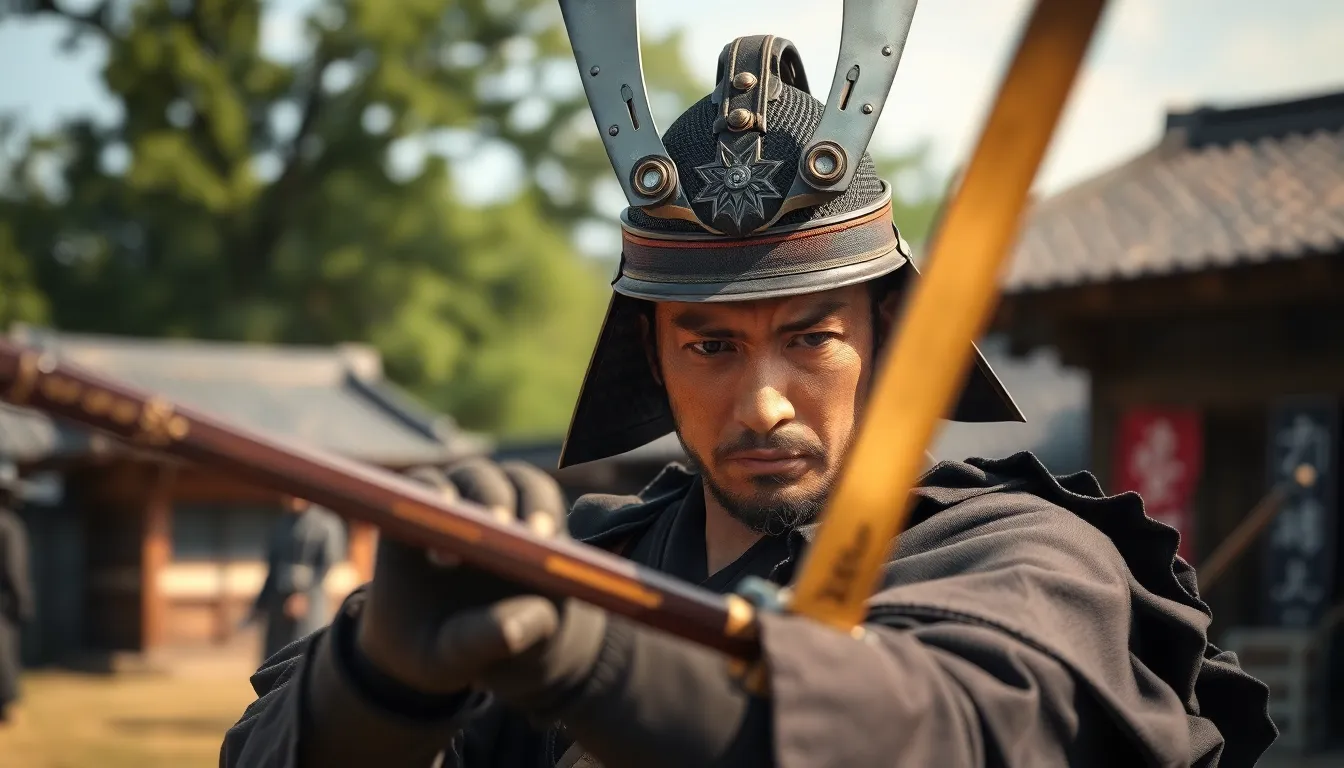
The Silk Road Visualizer provides a unique perspective on the ancient trade routes connecting the East with the West, perfect for games looking to explore the historical and economic impacts of this pivotal epoch.
These landscapes are tailored for games that delve into the life of the Samurai. With visually striking backgrounds, Samurai Spirit Landscapes are ideal for action and RPG games that emphasize traditional martial arts and heroic narratives.
For game developers wanting to infuse their projects with nature-driven Oriental themes, Mystic Bamboo Forests offers stunning backdrops that integrate well into stories of fantasy and lore.
Traditional Village Designer enables developers to create deeply immersive rural settings, embodying the essence of life in a traditional Oriental village, perfect for simulation and life-building games.
Dragon Spirit Emulator offers visually captivating elements that can bring to life the mythical themes and legendary creatures of Oriental lore, suitable for fantasy RPGs and adventure games.
Dynasty Builder Pack is tailored for ambitious games set in the royal courts of ancient East, providing monarchical themes, symbols, and background visuals that reflect the opulence of dynastic reigns.
Specializing in architectural marvels of the East, the Pagoda Paradigm Designer allows game developers to integrate stunning religious and cultural architecture into their games, enhancing storytelling and exploration.
Perfect for games focused on tranquility and cultural rituals, Tea Ceremony Scenery Generator captures the serene ambiance of traditional Oriental tea ceremonies, adding a layer of cultural authenticity to gameplay.
Enchanted Gardens Plots provide lush, vibrant backgrounds perfect for enchanting and whimsical Oriental settings, facilitating the creation of magical worlds in adventure and puzzle games.
Creating captivating and immersive backgrounds in games is an essential aspect of game design, particularly in the realm of Oriental-themed games. The ability to transport players into a world filled with rich cultural elements can significantly enhance their gaming experience. In this case study, we will explore the key components that contribute to successful Oriental game backgrounds, and how they resonate with players on various levels.
One of the most crucial aspects of building an Oriental game background is the incorporation of authentic cultural elements. This involves thorough research into the history, art, architecture, and folklore of the regions being represented. Cultural accuracy allows players to connect with the narrative on a deeper level, fostering a sense of realism and immersion.
For instance, consider the game “Ghost of Tsushima.” Set in feudal Japan, the game features meticulously designed landscapes, showcasing traditional Japanese architecture and natural settings that reflect the rich heritage of the time. Players experience cherry blossom trees, serene temples, and rolling fields that not only serve as eye candy but also as a backdrop that tells a story of honor and resilience.
The visual style adopted in Oriental games significantly influences player engagement. Art direction should align with the cultural themes of the game, enhancing the overall aesthetic. Effective use of color, texture, and light can evoke specific emotions and highlight important narrative elements.
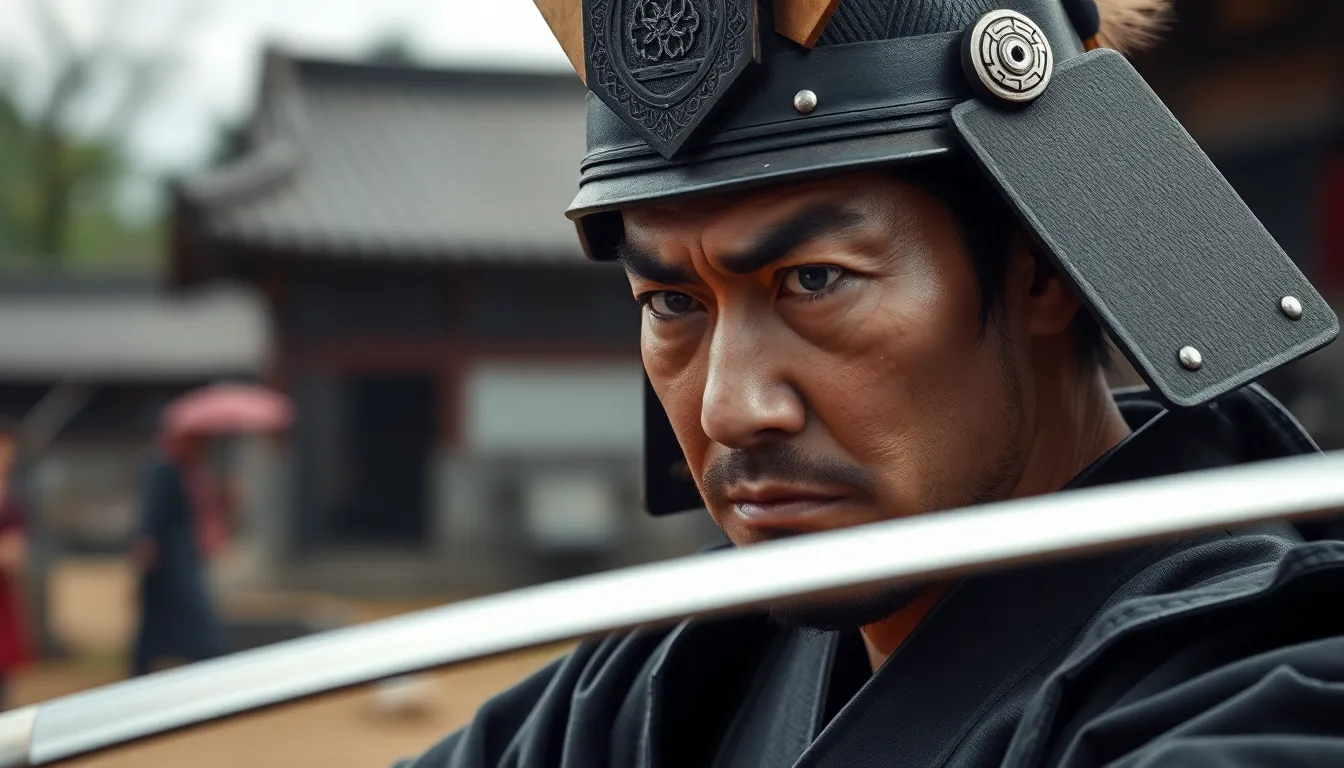
A great example is the game “Okami,” which utilizes a unique ink-wash painting style that is heavily influenced by Japanese art. This choice not only differentiates the game visually but also enhances the storytelling element, immersing players in a world that feels both artistic and alive.
Environmental storytelling refers to the practice of using the game world itself to convey narrative elements and character backgrounds. In Oriental games, settings such as ancient temples, battlefield remnants, or tranquil gardens can evoke emotions and memories without the need for explicit dialogue.
In “Sekiro: Shadows Die Twice,” players navigate a beautifully crafted world where every corner offers visual cues about the story. Ruins, hidden paths, and symbolic items allow players to piece together the narrative organically. This not only deepens engagement but also encourages exploration and curiosity, rewarding players for their attention to detail.
Developers aiming to create successful Oriental game backgrounds can benefit from the following tips:
By focusing on these strategies, game developers can create Oriental game backgrounds that not only captivate but also respect and celebrate the cultural nuances they represent. This approach not only enhances the player’s experience but also fosters a greater appreciation for the rich traditions and histories that inspire these games.
In conclusion, the success of Oriental game backgrounds lies in their ability to blend cultural authenticity with effective storytelling through visuals. Games like “Ghost of Tsushima” and “Okami” serve as prime examples of how immersive environments can elevate gameplay and create lasting connections with players. By adhering to best practices and respecting the cultural elements involved, developers can craft experiences that are both entertaining and enlightening.
As the gaming industry evolves, the demand for unique and immersive experiences continues to grow. One area gaining traction is the integration of Oriental themes in game backgrounds. These themes, rooted in rich cultural aesthetics and storytelling traditions, provide a fresh and engaging perspective that appeals to a diverse audience. Players are increasingly looking for deeper connections to narratives and environments, and Oriental game backgrounds offer just that.
One of the core concepts driving the popularity of this trend is the use of visual storytelling. Games that incorporate elements such as traditional architecture, nature-inspired landscapes, and cultural symbolism quickly transport players to a different world. For instance, titles like “Ghost of Tsushima” and “Sekiro: Shadows Die Twice” utilize Japanese cultural motifs and historical settings, allowing players to immerse themselves in a beautifully crafted experience that goes beyond mere gameplay.
Moreover, players are not only captivated by aesthetic visuals but also by the profound narratives that can emerge from Oriental themes. Games that offer rich lore and complex characters, rooted in cultural histories, resonate well with players. This trend emphasizes the importance of research and understanding of the inspirations behind the game design. Developers who pay homage to the sources of inspiration, whether through storytelling or artistic direction, can create more authentic and impactful experiences.
To successfully implement these elements, designers should focus on collaboration with cultural consultants and artists familiar with the depictions they aim to recreate. This not only enhances the authenticity of the game but also fosters respect for the cultures being portrayed. Collaborating with individuals who have a deep understanding of these cultures can lead to richer and more linear experiences that resonate with players.
Another practical tip is to leverage the technology available in the gaming sector to enhance graphical fidelity and interactive elements in Oriental backgrounds. For example, the latest advancements in graphics engines allow for the recreation of intricate details found in traditional art forms, such as calligraphy or landscape painting. Utilizing these technologies effectively can lead to a visually stunning experience that captures the essence of Oriental aesthetics.
It is important for developers to adapt gameplay mechanics that reflect the cultural themes embedded within the game world. This means not only focusing on the look of the game but also on how gameplay can incorporate traditional practices or philosophies. For example, incorporating martial arts mechanics or strategies that reflect Eastern philosophies can provide players with a more authentic experience.
As players become more knowledgeable and culturally aware, games that offer genuine representations of Oriental backgrounds are likely to stand out in the crowded market. Combining gameplay innovation with authentic cultural representation can create a unique position for developers, attracting attention from a devoted audience seeking new experiences.
In conclusion, the future of Oriental game backgrounds holds great promise. By emphasizing visual storytelling, cultural authenticity, and innovative gameplay mechanics, developers can create immersive worlds that honor the rich traditions of the East while captivating modern audiences. As the industry moves forward, embracing and respecting these cultural narratives will not only enrich the gaming experience but also foster a deeper appreciation for the diverse tapestries that make up our world.
A: Oriental game backgrounds refer to creative settings in games that draw heavily from Asian cultures. These backgrounds often incorporate unique design elements and historical contexts, enriching the gaming experience.
A: Oriental themes enrich gameplay by adding layers of depth and cultural significance. They immerse players in diverse worlds that reflect rich histories and intricate symbolism, encouraging exploration and discovery.
A: Developers must focus on cultural accuracy and sensitivity when designing Oriental backgrounds. Authentic portrayal of themes is crucial to avoid stereotypes and ensure a respectful representation of the cultures involved.
A: Yes, integrating Oriental backgrounds into Western games can create a unique fusion of aesthetics. This blending offers players innovative experiences and a fresh perspective that appeals to a more diverse audience.
A: In Oriental game designs, symbolism plays a key role in conveying deeper meanings. By using specific imagery and motifs, games can enhance storytelling and strengthen player connections to the narrative.
Integrating Oriental aesthetics into game design can enrich the gaming experience while providing players with immersive cultural narratives. By thoughtfully incorporating elements of traditional art, music, and storytelling, developers can create a unique atmosphere that resonates deeply with players, fostering a more engaging interaction with the game world. This approach not only highlights the beauty of Eastern cultures but also enhances the overall gameplay, drawing players into a visually stunning and narratively compelling universe.