
poker
Ultimate Guide to Poker Introductions in February 2026
As we delve into February 2026, the world of poker is set to experience significant changes that could redefine how the game is played, viewed, and enjoyed. For a deeper understanding of other games in the gambling sector, you might want to explore Blackjack in February 2026, which highlights similar trends.
With the rise of artificial intelligence and virtual reality, players now have access to tools that enhance their understanding of the game, allowing them to make better decisions. Moreover, new tournament structures and innovative formats are attracting a diverse range of participants, ensuring that the poker community remains vibrant and ever-growing. Highlighting these developments offers a glimpse into what makes February 2026 a pivotal moment for players worldwide.
As we navigate through the myriad dynamics of poker this month, it becomes essential to understand the various facets that contribute to the game’s allure. From the seasoned veteran to the casual player, every participant has a role within this rich tapestry, making the exploration of poker now more relevant than ever. In this article, we will examine the key factors influencing poker today and how they may set the stage for the future of this timeless game.
Understanding the hierarchy of poker hands is crucial for anyone looking to play the game effectively. For comprehensive details on hand values, consider checking out NetEnt Overview for January 2026, as it provides insights into many gaming mechanics.
In poker, the ranking of hands is universally accepted; it typically ranges from the highest-ranking hands such as a Royal Flush to the lowest-ranking ones like a High Card. Knowing this hierarchy can improve your chances of winning as it guides both your betting and bluffing strategies throughout different stages of the game.
Each poker variant may introduce slight nuances to these rankings, yet the underlying principles remain constant across most games. Understanding how to properly assess the value of your hand in comparison to your opponents is vital, especially in high-stakes scenarios.
Knowing the hand rankings is one thing, but applying this knowledge effectively can elevate your game. Consider a scenario where you are dealt an Ace of Hearts, King of Hearts, and the board reveals the Queen of Hearts, Jack of Diamonds, and 10 of Hearts. You automatically have a Royal Flush, which is unbeatable. This situation allows you to maximize your betting strategy because there are minimal cards your opponents could be holding that might beat you.
Conversely, if you have a pair of tens, and the board is very coordinated, it’s essential to recognize the possibility of a flush or straight forming. Hence, understanding how to read the board, combined with your hand strength, can prompt you to either bet aggressively or practice caution based on potential outcomes.
In conclusion, mastering poker hand rankings is foundational to successful gameplay. As you prepare for future tournaments and casual games alike, ensuring you have a strong grasp on these concepts will undoubtedly enhance your skills. Combine this knowledge with practice and an awareness of your opponents, and you can play confidently through any poker scenario that may arise.
As we gear up for an exciting year in the realm of poker, understanding the evolving strategies for 2026 becomes essential for both new and seasoned players. By refining your skills based on the latest trends, similar to what is discussed in Discovering 10bet Services in January 2026, you can stay ahead of the game.
One of the core concepts that continues to shape modern poker is game theory. This strategic approach involves analyzing an opponent’s potential responses and calculating the value of different decisions. Players who master game theory can identify the most profitable plays by considering not just their own hands, but also the tendencies and strategies of their opponents.
Consider a situation where you are playing against an aggressive player who frequently raises pre-flop. By applying game theory, you might determine that a tight-range calling strategy could exploit this player’s tendencies, allowing you to trap them when you hit a strong hand.
To implement this in your game, study your opponents closely. Keep track of their betting patterns and adjust your strategy accordingly. Use tools like poker equity calculators during practice sessions to simulate different scenarios and outcomes based on game theory principles.
The rise of online poker has also introduced numerous tools that can give players an edge. From poker tracking software to advanced statistical analysis, leveraging technology in your game is no longer optional; it’s essential. These tools can help you understand your own play style and pinpoint areas for improvement.
While these tools can significantly enhance your performance, it’s crucial to remember that they should complement your skills rather than replace them. The most successful players combine technology with intuitive decision-making honed through experience.
As poker continues to grow and attract new players, the level of competition will inevitably rise. Understanding the psychology and tendencies of your opponents is crucial. Each player brings a unique style to the table, which requires constant adaptation and flexibility in your strategy.
For instance, if you notice that a player frequently bluffs, you might consider calling with a wider range of hands, confident that they are overvaluing their cards. On the other hand, against a player who plays passively and only bets with strong hands, you should tighten your range and be more selective with your calls.
To effectively adapt, practice your observation skills. Take notes on different players’ strategies and tendencies during sessions. This not only helps you develop counter-strategies but also prepares you for various playing styles you might encounter in tournaments and casual games alike.
Mastering poker strategies for 2026 requires a combination of deep knowledge, keen observation, and adaptability. By integrating game theory, leveraging technology, and adapting to your opponents’ evolving strategies, you’ll position yourself as a formidable player in any setting. The key to success lies in your ability to remain mindful of the changes around you and to continually refine your game. As we move into 2026, being proactive, rather than reactive, will be your best bet at the poker table.
Poker, a game of skill and strategy, has gained immense popularity worldwide. As we look forward to the upcoming developments in the poker scene expected in February 2026, it’s essential for playersboth novice and seasonedto understand the common pitfalls that can affect performance at the table. Avoiding these mistakes can significantly improve your game and enhance your overall experience.
One of the most critical mistakes that players often make is the tendency to play too many hands. While it might be tempting to engage in every hand, this can lead to losing chips quickly. Playing selectively and only entering pots with strong hands allows players to maximize their chances of success.
For instance, a player sitting in a late position may be tempted to call on a weak hand because of the position advantage. However, this can lead to challenging situations and potential losses. Instead, it’s advisable to fold hands that do not provide a reasonable chance of winning, especially in earlier positions.
Recognizing which hands to play and when to fold is an essential skill. Developing a solid starting hands strategy can help you navigate this aspect more effectively.
Another frequent oversight is disregarding the importance of position. In poker, your position refers to the order in which players act during a hand. Those who act later in a round have more information based on the actions of others, giving them a strategic advantage.
Imagine a situation where you are in the early position with a mediocre hand. Acting first means that you have limited knowledge of your opponents’ intentions, which can lead to poor betting decisions. Conversely, players in later positions can make more informed choices. They can capitalize on their opponents’ bets or folds, allowing them to take control of the hand when it’s advantageous.
To optimize your strategy, always consider your position and adjust your approach accordingly. Being aware of this aspect will lead to more favorable outcomes at the table.
Many players tend to overvalue their hands, particularly when they have a strong starting hand but fail to consider the broader situation. This mistake can lead to significant losses, especially against aggressive players who may bluff or semi-bluff, making it challenging to gauge the strength of their hands.
Consider a scenario where a player holds pocket aces and becomes overly confident. When faced with aggressive betting from opponents, they may mistakenly assume that their hand is unbeatable, failing to recognize the potential threats from their rivals’ hands.
It’s vital to assess not just your hand but also how it stands against the board and your opponents. Being emotionally detached from your hand can greatly improve decision-making and help you avoid costly errors.
Effective bankroll management is a critical aspect that is often overlooked. Players frequently enter games beyond their financial means, leading to stress and unwise decision-making. Establishing a clear bankroll management strategy helps players play within their limits and stay focused on improving their skills.
By managing your bankroll wisely, you’ll ensure that you can stay in the game longer, allowing for opportunities to learn and improve.
As poker continues to evolve towards 2026, understanding these common mistakes can provide a competitive edge. By focusing on the right strategies, enhancing your knowledge, and developing self-discipline, you’ll be better prepared to take on the challenges that poker presents. Remember, the key to success in poker lies not just in the cards you hold, but in how you play them.
As we dive into the world of poker in 2026, it is essential to understand how technology is reshaping the game. In the digital age, innovations are redefining the way players engage with poker, offering new possibilities and challenges. From advanced algorithms to virtual reality experiences, technology is not just an accessory to the game but a core aspect of its evolution.
Artificial Intelligence (AI) has become integral in shaping strategic play in poker. Expertly designed algorithms analyze player behavior and decision-making patterns, often outperforming human players, especially in high-stakes environments. For example, recent poker AI systems can simulate countless hands, providing insights that were previously unattainable.
As a player, understanding AI’s role can significantly enhance your game. Consider using AI-based tools for analysis of your game history to identify patterns in your gameplay that need improvement. This application of AI can provide a competitive edge, enabling you to adjust your strategies based on your past performances.
The way we play poker has transformed with the emergence of interactive online platforms. By 2026, players can enjoy virtual poker rooms that simulate the atmosphere of a land-based casino. These platforms incorporate live dealers through high-definition streaming, offering a more immersive experience.
For aspiring players, exploring different online platforms is vital. Experimenting with features such as practice games or tutorial sessions can build confidence before entering more competitive environments.
Blockchain technology is revolutionizing the poker industry by introducing transparency and security in transactions. With the implementation of cryptocurrency, players can engage in anonymous transactions while ensuring that the games are fair.
For instance, many online poker sites in 2026 are now accepting cryptocurrencies as a form of payment. This shift allows for instant deposits and withdrawals, which are not only secure but also eliminate the long wait times associated with traditional banking methods.
For players, understanding the nuances of using cryptocurrency can provide greater flexibility and control over their bankroll. Staying informed about the safest platforms and the types of cryptocurrencies accepted can enhance your overall gaming experience.
As technology continues to evolve, so too must the strategies employed by players. The integration of AI, the rise of interactive platforms, and blockchain technology are merely the beginning. Players will need to adopt a mindset that embraces continual learning and adaptation. Whether through data analysis or understanding new gaming platforms, keeping abreast of trends will be crucial for success in poker.
In summary, as we progress through 2026, technology will remain a driving force in poker. Embracing these changes not only enhances the overall experience but sets the stage for a new generation of players ready to utilize these tools to their advantage. Whether you are a seasoned pro or a newcomer, the technological advancements in poker present exciting opportunities and a chance to redefine your game.
Having a poker face is an essential skill not only in gambling but also in various life situations. The ability to maintain an emotionless facade can be the difference between winning and losing, whether at a poker table or in negotiations. As we look ahead to poker’s resurgence in 2026, mastering this skill will ensure you stay ahead of the competition.
A poker face refers to the ability to conceal one’s emotions and intentions, allowing individuals to keep opponents guessing. In the realm of poker, this is crucial as opponents attempt to decipher your hand based on your expressions and body language. A strong poker face can mislead others into underestimating or overestimating your hand, giving you a strategic advantage.
For instance, imagine you hold a strong hand in Texas Hold’em, but your expression remains neutral. Your opponents may assume you have a weak hand and decide to bluff, raising the stakes unnecessarily. In this scenario, maintaining a poker face not only protects your hand, but it creates an opportunity for you to capitalize on their mistake.
While some may seem naturally gifted at maintaining a poker face, anyone can develop this skill with practice and awareness. Here are some expert tips to enhance your ability to keep a straight face:
As the poker world evolves in 2026, new strategies and techniques will emerge. It’s essential for players to not only master the art of bluffing but also maintain an unexpressive demeanor to further enhance their strategic plays.
Interestingly, the skills learned in maintaining a poker face transcend the poker table and can be applied in various aspects of life, including job interviews, public speaking, and negotiations. In these situations, having a controlled demeanor can provide you an edge, making you appear confident and unflappable.
For example, during a job interview, you may face unexpected questions or challenging scenarios. Maintaining your composure under pressure can make a positive impression on your interviewer. Similarly, in business negotiations, being able to keep your emotions in check allows you to gauge the other party’s reactions without giving away your intentions.
In conclusion, mastering the art of maintaining a poker face is a powerful tool that can significantly impact your success in both poker and everyday interactions. With the rise of poker in 2026, honing this skill will not only enhance your gameplay but also prepare you for a variety of real-world challenges.
As the world of poker continues to evolve, players are faced with a critical decision: whether to engage in online poker or partake in traditional offline games. Both formats have unique characteristics and advantages that cater to different types of players. Understanding these differences can significantly enhance your poker experience, particularly as the game garners even more attention leading up to significant events like the Poker World Championship in February 2026.

Online poker, which allows players to join games via their computers or mobile devices, has gained immense popularity over the past decade. One of its primary advantages is accessibility; players can join anytime, anywhere, without the need for physical presence. This convenience attracts a diverse array of players, from beginners to seasoned pros. Additionally, the online poker platform often provides various game formats, ranging from Texas Hold’em to Omaha, meaning there’s something for everyone.
For example, during the pandemic, many players turned to online platforms as a safe alternative to live games. Players found themselves grinding tournaments from their homes, racking up hours of play without the distractions typically present at physical tables.
To make the most of online poker, players should:
On the other hand, offline poker offers an immersive experience that many players cherish. Playing in a casino or a local poker room adds an element of atmosphere and social interaction that’s difficult to replicate online. The physical presence of other players can also enhance the psychological aspect of the game, making it easier to read opponents and gauge their reactions.
Consider the excitement of participating in a live tournament at your nearest casino. The thrill of acquiring chips, the sounds of the crowd, and the ability to engage in face-to-face conversations create unforgettable experiences for many players. This social element often leads to lasting friendships and poker communities.
To fully enjoy offline poker, players should consider:
The choice between online and offline poker ultimately depends on personal preference, available time, and playing style. Some players thrive in the high-paced environment of online tournaments, while others find fulfillment in the slower, more deliberate pace of face-to-face games. As events like the 2026 Poker World Championship approach, players should consider their strengths and weaknesses when deciding where to play.
Additionally, consider trying both formats. Many players switch between online and offline games, enriching their skills and adapting their strategies accordingly. A balanced approach can provide a comprehensive understanding of the game, benefiting your overall poker journey.
In conclusion, whether you’re more inclined towards the digital allure of online poker or the traditional feel of offline games, both avenues offer valuable experiences. As you navigate your poker journey, keep refining your skills and enjoy the unique aspects each format presents, especially as 2026 promises exciting developments in the poker world.
In the world of poker, the ability to read your opponents can be just as crucial as the cards you’re dealt. Poker tells are behavioral cues that players exhibit during the game, providing insights into their hands and strategies. Understanding these tells can be the difference between a winning and losing session, especially as competitive poker continues to grow, with major tournaments frequently taking the spotlight, like the notable events projected in February 2026.
Poker tells are often subconscious indicators of a player’s thoughts or feelings during the game. These can include physical gestures, facial expressions, and verbal cues. For example, a player who is nervous may fidget with their chips or avoid eye contact. On the other hand, someone who is confident might lean back in their chair while maintaining a strong gaze at the table.
Imagine a situation where a player raises the bet significantly after the flop. This action could mean they have a strong hand. However, if this player typically plays conservatively and suddenly becomes aggressive, it could also be a bluff designed to intimidate opponents. Observing these patterns can help you make informed decisions.
To become adept at reading poker tells, consider the following practical advice:
Utilizing the knowledge of poker tells can significantly enhance your gameplay. When you spot a tell, you can adjust your strategy accordingly. For example, if a normally quiet player suddenly becomes animated, it might be time to fold your weak hand. Remember, while tells can provide valuable insights, they are not foolproof. Always combine this knowledge with sound poker fundamentals.
As poker evolves and more players enter the scene, honing your skills in reading tells will remain an essential part of the game. Major events scheduled for February 2026 will attract new talents and heightened competition, making the ability to analyze body language and signals more relevant than ever. By mastering these techniques, you can position yourself as a formidable opponent at any table.
Poker is not merely a game of chance and skill; it is also a social activity steeped in tradition and etiquette. The proper conduct at the poker table can significantly enhance the experience for everyone involved. Understanding and practicing good poker etiquette fosters a welcoming environment for players and can even influence the atmosphere of a game positively. As poker continues to grow in popularity, especially in light of events such as tournaments planned for February 2026, mastering these courtesies may prove beneficial for both new and seasoned players.
One of the fundamental aspects of poker etiquette is respect. Players should always treat each other with courtesy, regardless of the stakes involved. This means refraining from derogatory remarks or insults, even in jest, as they can quickly escalate tensions and ruin the game.
For example, if a player bluffs successfully and it leads to another player losing a large pot, it’s crucial to avoid taunting or making fun of their loss. Such behavior can dampen the spirits of the affected player and distract from the enjoyment of the game. Instead, a simple acknowledgment of play, like saying “good hand,” can go a long way in maintaining a friendly atmosphere.
Practical Tip: Keep the conversation light and sportsmanlike. Focus on the game and share stories that can enhance rapport without crossing into disrespect.
Every poker variant has its specific rules, and knowing them is essential for smooth gameplay. Beginners should take the time to learn the basics, while seasoned players should be vigilant about the house rules, which can vary significantly from one venue to another.
Consider a situation at a casino where a player incorrectly calls a bet because they misread the rules. This can lead to confusion and conflict at the table. If players are already versed in the game, they’ll have a much better chance of resolving such misunderstandings amicably.
Practical Tip: Before joining a game, whether online or at a physical location, take a moment to review the rules. If ever in doubt, don’t hesitate to ask the dealer or another player for clarification.
Chips are the lifeblood of any poker game, and how players manage their stacks can significantly impact the game’s flow. It is considered polite to keep your chips organized in front of you and to avoid excessively reaching for or stacking them while it’s not your turn.
For instance, stacking chips too high can accidentally fall over and disrupt the game, leading to unnecessary delays and frustration for other players. Moreover, it creates an unfriendly environment and can unintentionally impact opponents’ decisions if they are distracted.
Practical Tip: Keep your stack neat and manageable. When placing bets, try to make it clear how much you are wagering so that everyone at the table understands your actions immediately.
Whether you are on a winning streak or facing losses, how you handle those situations speaks volumes about your character. Staying humble during victories and gracious during defeats is a hallmark of good poker etiquette.
A winning player who brags excessively may alienate others and spoil the fun for all. Conversely, a player who openly complains about bad luck or blames others for their losses can bring negative energy to the table, affecting everyone’s experience.
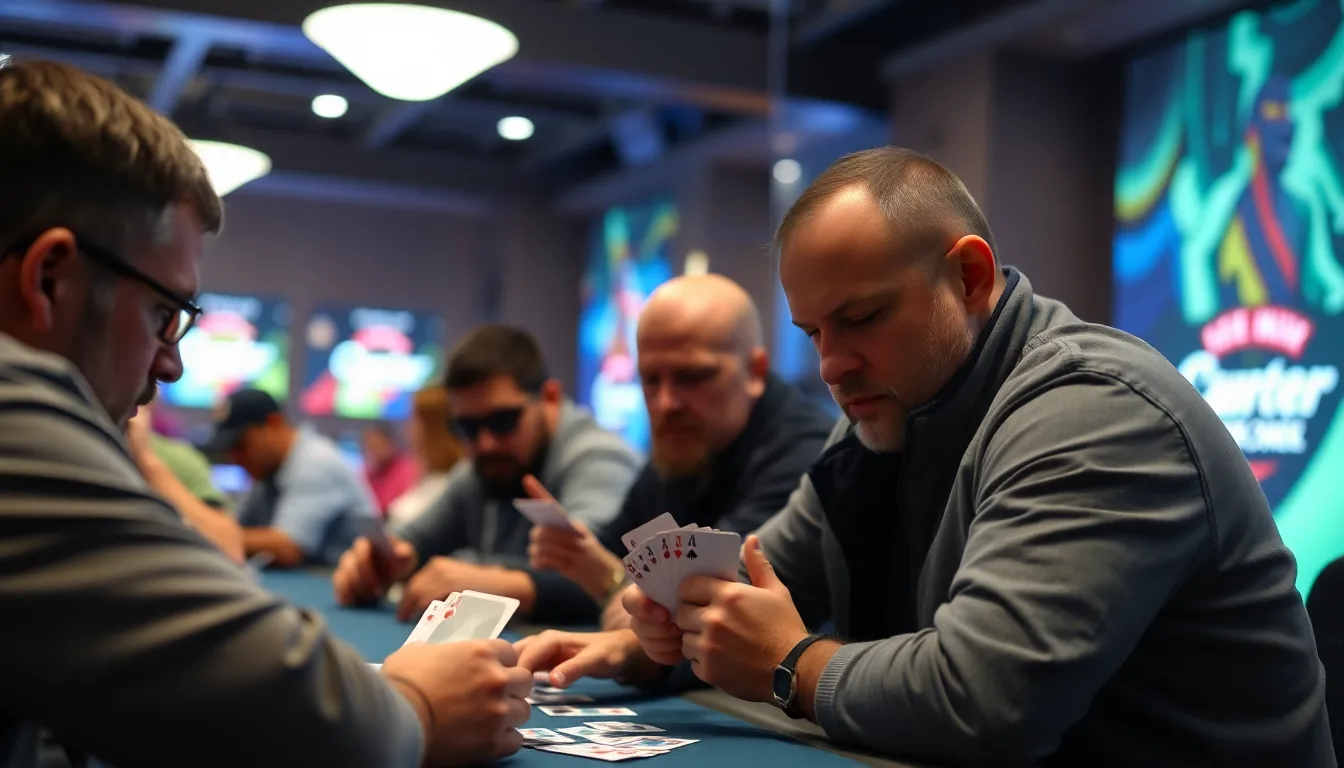
Practical Tip: If you win a significant hand, avoid excessive celebration. Conversely, when losing, take a moment to reflect on your decisions and maintain a positive attitude rather than venting your frustrations.
As the poker landscape continues to evolve, especially with potential major tournaments around February 2026, respecting and enhancing the game environment through good etiquette is crucial. This mindset not only elevates the player experience but also contributes to the overall growth and health of the poker community. By practicing these etiquette tips, you’ll contribute to a more enjoyable and respectful atmosphere, enriching the game for everyone involved.
The Theory of Poker by David Sklansky is a comprehensive guide that delves into the fundamental theories and concepts crucial for any poker player looking to enhance their gameplay. This book is revered for breaking down complex strategies in an easily digestible manner, making it a timeless resource for both beginners and seasoned players.
As poker continues to evolve in 2026, PokerTracker 4 remains an essential tool for players who wish to gain insights into their own gameplay patterns. This top-tier software helps players review hands meticulously, providing a competitive edge in any game.
Hold’em Manager 3 is a powerful application designed for tracking performance and maintaining statistical data. It’s an indispensable tool for players looking to strategize effectively and adapt their gameplay based on data-driven insights.
In a world of fast-paced games, Zen and the Art of Poker offers a refreshing philosophical approach by teaching patience and emotional control. This book is perfect for reinforcing mental skills necessary to maintain composure during intense tournaments.
Ignition Poker continues to be a popular online platform in 2026, offering a variety of poker games and innovative anonymous tables. It’s an ideal choice for players looking for a fresh and dynamic playing experience.
Poker Copilot is a user-friendly software designed for macOS users, providing valuable insights through hand tracking and player statistics. This tool is excellent for users keen on refining their strategies with data.
Alton Hardin’s Essential Poker Math unravels the mathematical underpinnings of poker, a subject increasingly crucial in the analysis-driven poker landscape of 2026. Understanding these concepts can significantly enhance strategic decision-making.
LearnProPoker is an educational platform packed with tutorials and videos designed to offer a structured learning experience. This resource is perfect for players committed to systematically improving their poker prowess in 2026.
The World Series of Poker App replicates the excitement of the WSOP, bringing realistic gameplay and various tournaments to your mobile device. It’s a must-have for players wanting to capture the essence of prestigious poker events from the comfort of their homes.
Daniel Negreanu, a six-time WSOP champion, shares his expertise in his MasterClass online course. This course offers insider strategies and tips, making it invaluable for players aspiring towards mastery in 2026.
Smart HUD is an advanced software offering real-time data on opponents during online play. As games become more competitive in 2026, this tool becomes crucial for players looking to gain an edge.
Nathan Williams presents a guidebook in Crushing the Microstakes dedicated to beating smaller betting games, a fundamental step for players moving up the ranks. This book is crucial for 2026 as many players look to advance from beginner levels.
Considered a poker classic, “The Theory of Poker” by David Sklansky is essential reading for any aspiring poker player. It delves into the fundamental theories and concepts that form the backbone of poker strategy, offering clarity that can significantly enhance your game.
PokerTracker 4 is an invaluable software tool for serious poker enthusiasts. It helps you review hands and analyze gameplay patterns to refine your strategy over time.

Hold’em Manager 3 offers robust functionality for tracking poker performance and managing statistical data, making it a critical tool for devising effective strategies.
Adopting a philosophical outlook, “Zen and the Art of Poker” teaches players about the importance of patience and emotional control, vital for maintaining composure at the table.
Ignition Poker is a popular online platform offering a diverse range of poker games and anonymous tables, perfect for players seeking a change of pace or a new challenge.
For macOS users, Poker Copilot provides user-friendly software that offers insights into hand tracking and player statistics. It’s designed to help refine your poker strategy effectively.
Authored by Alton Hardin, “Essential Poker Math” focuses on the mathematical concepts crucial to poker. It is perfect for enhancing your strategic decision-making skills.
LearnProPoker is an educational platform offering structured tutorials and videos that guide players through poker strategies and concepts.
The World Series of Poker App brings the thrill of the renowned WSOP to your mobile device, offering realistic gameplay across various tournaments.
Gain insider tips and strategies from six-time WSOP champion Daniel Negreanu with his online masterclass, tailored to help players elevate their game effectively.
Smart HUD offers an advanced heads-up display for online poker, providing real-time data on opponents to help players gain a competitive edge.
Written by Nathan Williams, “Crushing the Microstakes” is a guidebook that provides effective strategies for conquering microstakes games, perfect for players moving up the ranks in 2026 and beyond.
A: Start by understanding the basic hand rankings and rules of poker. Online resources, poker books, and apps can help you gradually build your skills through structured learning.
A: To enhance your poker face, practice emotional control and remain consistent in your actions. Studying professional players and mimicking their calm demeanor can also be helpful.
A: Yes, online poker tends to have faster gameplay and lacks physical tells. Players need to adapt by understanding digital signals and utilizing strategy tools.
A: Beginners are advised to start with basic tracking software like PokerTracker 4 or Hold’em Manager 3. These tools help in understanding gameplay patterns before moving on to more advanced HUDs.
A: Yes, poker books continue to be relevant as they provide foundational theory and strategies. They complement digital learning resources and practical experience in real-life scenarios.
A: Poker tells are behavioral cues that can indicate a player’s hand strength. Recognizing these tells can provide significant advantages when reading your opponents during a game.
A: Yes, many players make a living playing poker. It involves a commitment to developing strategies and a willingness to continuously learn and adapt to evolving trends in the game.
A: To manage your bankroll, set strict limits for your poker sessions and adhere to them. Understanding your risk tolerance and developing a budget can help prevent significant losses.
A: Texas Hold’em and Omaha are still very popular. However, new game formats and online variations continue to emerge, keeping the poker community dynamic and engaging.
A: Technology has greatly influenced poker by introducing tools for strategy analysis and online platforms for global access. Innovations like virtual reality are also enhancing the overall poker experience.
The evolving landscape of poker reflects a combination of technological advancements and changing player dynamics. As we look ahead to events like the “Poker Introduction February 2026”, players and enthusiasts alike should prepare for shifts in gaming strategies and tools that will redefine the experience. Keeping an eye on how innovation influences gameplay will be crucial for anyone looking to stay ahead in this competitive environment.