
solution
Understanding DigiWheel: A Comprehensive Guide and Recommendations
The advent of the DigiWheel marks a significant milestone in technology, reshaping how we approach transportation and mobility. As we stand at the threshold of 2025, innovations like the DigiWheel are not just futuristic concepts; they are becoming increasingly relevant in our daily lives. This exploration into the DigiWheel technology delves into its intricate design, functionality, and the transformative potential it holds for various industries.
In a world facing mounting challenges such as urban congestion, environmental sustainability, and the quest for efficient logistics, the DigiWheel presents a promising solution. By integrating advanced engineering with user-centric design, this revolutionary technology aims to optimize vehicle performance while minimizing the environmental footprint. The importance of understanding the DigiWheel’s capabilities has never been more pressing, especially as we approach critical deadlines for reducing carbon emissions and enhancing urban mobility. For more context, consider reviewing our Comprehensive Guide on SA Gaming.
Moreover, the DigiWheel is set to influence various sectors, from personal transport to commercial applications. Its introduction may redefine standards for safety and ease of use, bringing a new layer of convenience to consumers. As we move toward December 2025, being informed about these advancements will empower individuals and businesses alike to make smart decisions regarding future investments in technology and infrastructure. This piece aims to provide an all-encompassing overview of the DigiWheel, shedding light on its features and the profound changes it could bring to our world, similar to how companies leverage Allbet Services for improvements.
DigiWheel is an innovative platform that revolutionizes the way users engage with digital content. At its core, DigiWheel integrates advanced algorithms and user-centric design to create a seamless, interactive experience. Understanding its mechanics involves delving into its technology, usability, and potential applications across various sectors.
The technology underpinning DigiWheel includes sophisticated algorithms that analyze user behavior in real-time. This data-driven approach allows the platform to customize content delivery based on individual preferences. For instance, if a user frequently interacts with educational materials, DigiWheel will prioritize similar content, making learning more efficient.
Imagine a scenario where a teacher utilizes DigiWheel during a classroom session. As students engage with content, DigiWheel collects data on their interactionssuch as which videos they watch longer or which quizzes they excel in. The teacher can then adapt future lessons based on these insights, creating a more tailored educational experience.
DigiWheel’s flexibility allows it to be employed effectively across various domains, including education, marketing, and entertainment. In marketing, for example, businesses can leverage DigiWheel to create interactive advertisements that respond to user inputs. This engagement helps brands gather valuable data on consumer preferences, enabling them to refine their strategies.
To harness the full potential of DigiWheel, users and organizations should consider the following practical tips:
In conclusion, DigiWheel stands out as a dynamic platform capable of transforming how content is consumed and shared. By understanding its inner workingsranging from its technological foundation to its practical applicationsusers can unlock new ways of engaging with digital experiences. Ultimately, the power of DigiWheel lies not only in its innovative technology but also in the ability to create meaningful connections between users and content.
DigiWheel technology represents a significant leap forward in versatile applications across various sectors. By utilizing digital advancements, it enhances efficiency, productivity, and innovation. From manufacturing to transportation, the implications of this technology are profound, driving changes in operations, product development, and customer interactions.
In the manufacturing realm, DigiWheel technology revolutionizes the production process. The integration of digital wheels facilitates real-time monitoring of machinery, thereby improving operational efficiency. For instance, companies like Siemens have adopted DigiWheel systems to optimize machine performance through predictive maintenance, substantially reducing downtime and maintenance costs.
For practical implementation, manufacturers should start by investing in training for their workforce. Familiarizing employees with the technology can dramatically increase its effectiveness and encourage innovative uses in the production line.
The transportation industry significantly benefits from DigiWheel applications, primarily through logistics optimization. Smart wheels equipped with sensors can track vehicle performance and road conditions, providing crucial data that leads to enhanced route planning and fuel efficiency. UPS, for example, utilizes similar technology to streamline delivery processes – reducing travel distances and improving service times.
To fully leverage DigiWheel technology in transportation, businesses must prioritize data analytics. Utilizing software platforms that analyze the collected data helps in making informed decisions regarding fleet management and reducing operational costs.
In healthcare, DigiWheel technology is making strides in patient monitoring and mobility solutions. Digital wheels on wheelchairs and hospital beds enable easier navigation for patients and caregivers, leading to improved healthcare delivery. Facilities implementing DigiWheel systems have reported increased patient safety and satisfaction.
Healthcare providers should consider collaborating with tech firms to develop customized solutions that meet their specific needs. Incorporating user feedback in the development process can yield products that are not only efficient but also user-friendly.
Retailers are also tapping into the potential of DigiWheel technology to create smoother customer experiences. Interactive shopping carts equipped with DigiWheel systems can help guide customers through stores based on their purchasing history, thereby enhancing personalized shopping experiences. Major retailers, such as Walmart, are experimenting with these technologies to streamline in-store navigation and inventory management.
For retailers, the key to success lies in integrating Omni-channel strategies. Ensuring that the digital experiences of customers align with their in-store experiences can maximize customer engagement and loyalty.
As we look forward, it is clear that DigiWheel technology will continue to spearhead innovations across myriad industries. Its ability to improve efficiency, streamline processes, and enhance user experiences is unparalleled. To harness the full potential of DigiWheel technology, businesses should invest in staff training, data analytics, and strategic collaborations.
In summary, while the immediate benefits of DigiWheel technology are apparent, the long-term improvements to operational effectiveness and customer satisfaction are driving its growing prominence across different sectors. Embracing this technology now will ensure that companies remain competitive in the fast-evolving market landscape.
DigiWheel systems represent a technological advancement in various industries, particularly in the fields of manufacturing and logistics. These systems utilize digital technology to enhance traditional wheel designs, thereby improving efficiency and performance. However, like any technology, DigiWheel systems come with both advantages and limitations that organizations must consider before implementation.
One of the significant advantages of DigiWheel systems is their ability to increase operational efficiency. By integrating sensors and data analytics, these systems allow for real-time monitoring and adjustments, leading to optimized performance.
For instance, in a manufacturing plant, utilizing DigiWheel systems can help streamline the movement of materials from one workstation to another, thereby reducing bottlenecks and enhancing productivity. Tracking each wheel’s status allows for informed decision-making about maintenance and repairs, ensuring machines are always in optimal working condition.
Despite their advantages, DigiWheel systems also come with notable limitations. The complexity of these systems can present challenges during both implementation and operation. Determining the appropriate technology and processes to integrate can be a daunting task for organizations.
An example of these limitations can be seen when a logistics company attempts to implement a DigiWheel system for their fleet. If the existing infrastructure is not compatible with the new technology, the integration process could lead to delays, added costs, and frustration among staff.
To maximize the benefits of DigiWheel systems while minimizing potential pitfalls, organizations can take several practical steps:
By approaching the integration of DigiWheel systems thoughtfully and strategically, organizations can harness their potential while mitigating risks. Balancing the benefits against the limitations is crucial for making informed decisions that drive productivity and performance in dynamic work environments.
In conclusion, DigiWheel systems exemplify the fusion of traditional mechanical engineering and modern digital technology, providing remarkable opportunities for enhanced operations. However, a careful examination of both the advantages and limitations will facilitate a successful implementation strategy that aligns with organizational objectives.
The transportation industry is undergoing a significant transformation with the advent of innovative technologies. One such technology making waves is DigiWheel, a pioneering platform designed to enhance and optimize transportation operations. In this case study, we will explore how DigiWheel is reshaping the transportation landscape by providing unparalleled efficiency and reliability.
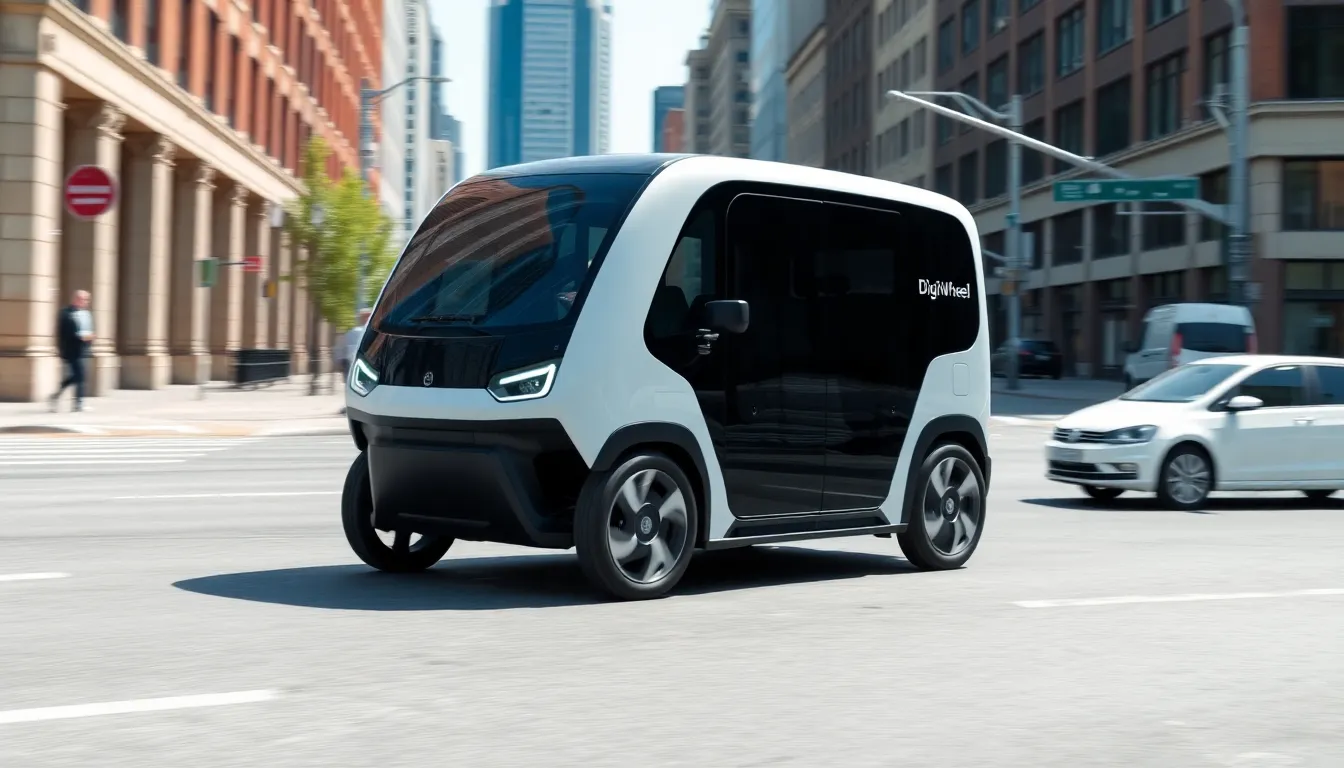
DigiWheel is a comprehensive software solution that integrates various aspects of transportation management. It facilitates real-time tracking, route optimization, and analytics, resulting in improved operational efficiency. The core concept behind DigiWheel is to leverage data science and cloud technology to provide a smarter way to manage transportation resources.
For instance, consider a logistics company with a fleet of trucks tasked with delivering goods across a wide region. Before implementing DigiWheel, the company faced challenges such as inefficient routing and increased fuel costs. After adopting DigiWheel, the company experienced a significant reduction in transportation time contributed by optimized routes calculated based on real-time traffic conditions and historical data.
To illustrate the effect of DigiWheel, let’s analyze a logistics company, “FastMove Logistics,” which decided to implement this solution. The company struggled with timely deliveries and high operational costs. By using DigiWheel, FastMove was able to monitor the fleet in real-time, allowing them to adjust routes dynamically based on traffic and weather conditions.
As a result of this implementation, FastMove Logistics achieved the following:
The successful integration of DigiWheel into a transportation framework requires careful planning and execution. Here are some practical tips for companies looking to make the transition:
In conclusion, DigiWheel stands out as a transformative tool within the transportation sector. Its ability to streamline operations and facilitate data-driven decision-making provides companies with a critical competitive edge. As demonstrated by FastMove Logistics, the intelligent application of this technology not only optimizes logistics but also enhances customer satisfaction, making it a vital asset for modern transportation enterprises.
The digital landscape is ever-evolving, and one of the most exciting innovations in this space is DigiWheel. This transformative platform is not just about engaging with customers but revolutionizing the entire user experience. As we look toward the future, several key trends are poised to emerge, shaping the way DigiWheel can further enhance its offerings.
Artificial intelligence (AI) is increasingly becoming a cornerstone of digital platforms. DigiWheel can leverage AI to analyze user behavior and preferences, creating personalized experiences that resonate with individual users. For example, AI-driven algorithms could suggest customized content or offers based on a user’s past interactions with the platform.
In practice, this means that through machine learning, DigiWheel can refine its user recommendations over time. Organizations could implement AI chatbots for instant customer support, significantly improving satisfaction rates and engagement levels.
Data is the new gold, and the ability to effectively analyze it can provide DigiWheel with a competitive edge. By utilizing advanced analytics, the platform can gain deeper insights into user demographics and behaviors. It can track not only what users are doing but also why they are doing it.
Implementing a robust analytics engine will enable DigiWheel to pivot its strategies rapidly, ensuring they remain aligned with user desires and market dynamics.
Virtual reality (VR) and augmented reality (AR) are changing the way users interact with digital platforms. These technologies can be integrated into DigiWheel to offer immersive experiences that are not just engaging but also memorable. For instance, users could participate in virtual events or interactions that utilize AR to enhance their experience.
As an example, imagine a scenario where customers can explore a virtual showroom of a product before making a purchase. By incorporating such immersive experiences, DigiWheel can set itself apart and create lasting impressions on users, driving loyalty.
As consumers become more environmentally conscious, platforms that prioritize sustainability are likely to attract a dedicated following. DigiWheel can incorporate eco-friendly practices, such as promoting digital products that reduce waste or supporting initiatives that offset carbon footprints.
By integrating sustainability into its core values, DigiWheel not only appeals to a green-minded audience but also contributes positively to society.
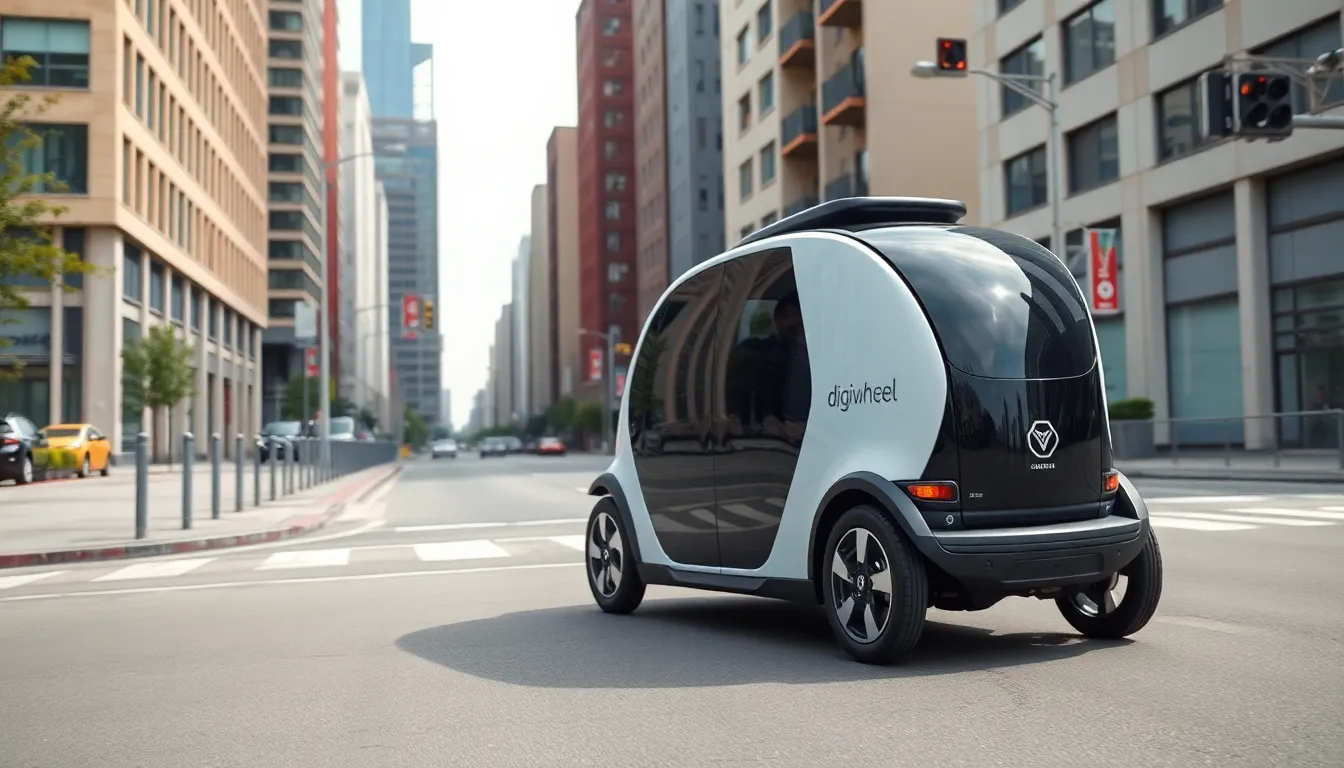
As the digital world continues to expand, ensuring that platforms like DigiWheel are accessible to all users is paramount. This means implementing features that cater to individuals with disabilities, such as screen readers or voice command functionalities. Making the platform inclusive will open new doors to diverse user groups.
To practically enhance accessibility, DigiWheel could consult with accessibility experts during the development process and gather user feedback to make necessary adjustments continually. This not only boosts compliance with regulations but ultimately benefits everyone.
As DigiWheel looks to the future, these emerging trends offer a roadmap for its evolution. By embracing AI, enhancing data analytics, utilizing immersive technologies, prioritizing sustainability, and focusing on accessibility, DigiWheel can not only enhance user experiences but also ensure its place at the forefront of digital innovation. Adapting to these trends will be essential for sustained success in an increasingly competitive market.
DigiMotion offers comprehensive solutions focusing on efficiency in vehicular technology. This makes it an excellent choice for companies that are conscious about their environmental impact and are looking to incorporate eco-friendly practices into their operations.
Known for its precision and reliability, SmartWheel Tech is a leader in enhancing automation within the transport sector. This makes it a top contender for businesses looking to upgrade their automated systems.
EcoWheels provides sustainable solutions that focus on reducing environmental impact. It’s perfect for organizations that prioritize green initiatives and seek to implement sustainable practices.
Specializing in customizable solutions, WheelXPro is best suited for businesses that require tailored applications to fit specific industry needs, making it highly versatile.
RevoWheel is renowned for its advanced safety features, making it a recommended choice for high-risk environments where safety is a priority.
Offering cutting-edge technology with a focus on urban mobility, TransWheel Innovations is ideal for city planning projects and modern urban environments.
With robust analytical tools, DigiSphere is suitable for data-driven organizations looking for performance tracking and improved analytical capabilities.
Emphasizing strength and durability, ProGrade Wheels are apt for heavy-duty construction uses, ensuring long-lasting performance in demanding environments.
Utilizing nano-technology for precision control, NanoWheel Dynamics is ideal for high-tech manufacturing sectors that demand exacting standards.
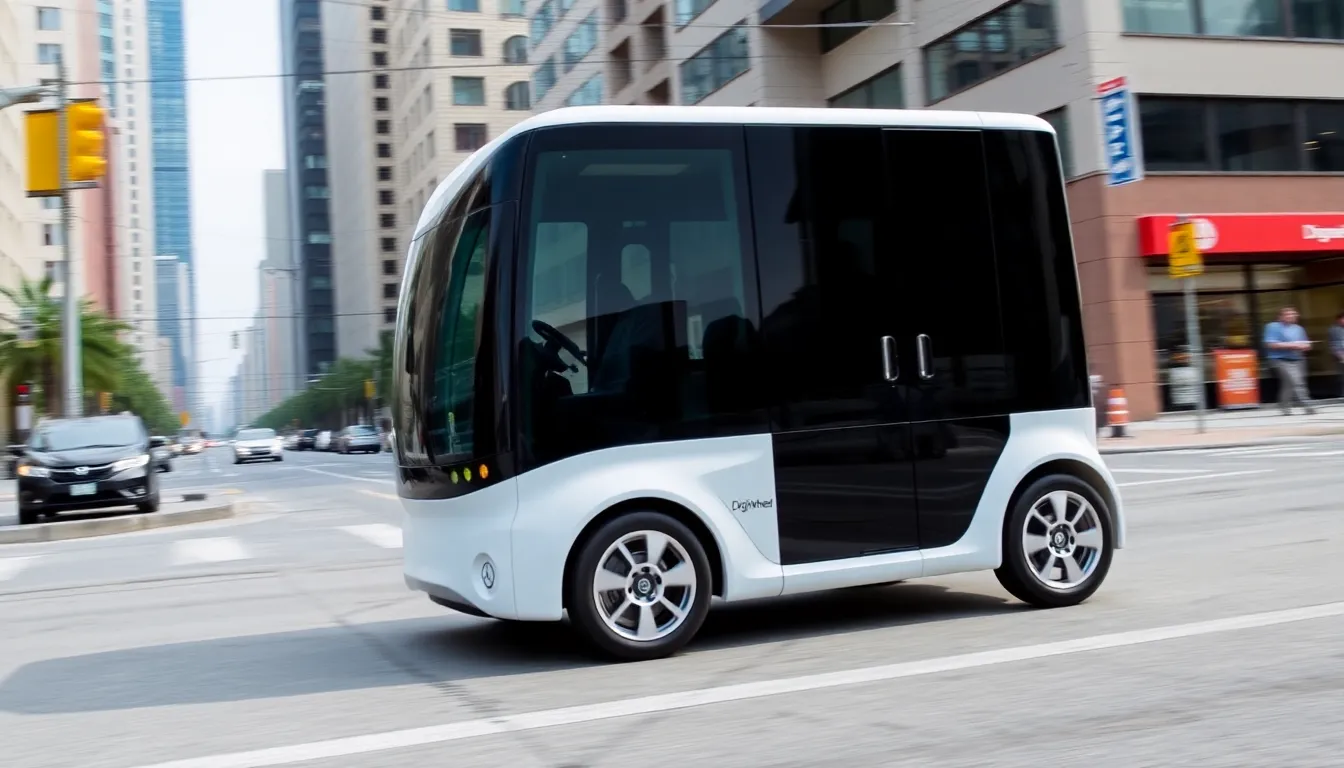
Omni-Trax Solutions focuses on versatility and adaptability, making it highly recommended for diverse industrial applications that require flexibility.
Combining user-friendly interfaces with innovative design, DriveMaster is targeted towards the automotive industry, promising an improved user experience.
Known for its flexible and modular designs, FlexiWheel is suitable for startups and experimental projects, allowing for easy adaptation and growth.
A: The primary function of a DigiWheel is to enhance performance and efficiency in vehicular systems through digital control mechanisms. This technology is widely utilized in the automotive sector.
A: DigiWheel contributes to sustainability by optimizing energy usage and improving efficiency, which ultimately reduces carbon footprints. This supports various eco-friendly initiatives across multiple industries.
A: Although there is an initial investment required, DigiWheel systems offer long-term savings through enhanced efficiency and lower maintenance costs. This makes them a cost-effective solution over time.
A: Yes, DigiWheel technology is designed to be adaptable and can seamlessly integrate with existing infrastructures, enabling businesses to modernize their systems effectively.
A: Potential drawbacks include initial setup costs and the requirement for specialized training. Nonetheless, these cons are often outweighed by the substantial benefits in the long run.
A: DigiWheel enhances safety through advanced monitoring and control systems that provide real-time data and predictive maintenance alerts, reducing the chances of malfunctions.
A: Absolutely, DigiWheel offers scalable solutions tailored for small businesses, allowing them to utilize advanced technology without incurring excessive costs.
A: Industries such as transportation, logistics, and manufacturing benefit significantly from DigiWheel due to improved operational efficiencies and reduced overhead costs.
A: Yes, many DigiWheel providers offer comprehensive training programs and materials to ensure that operational teams can fully leverage the technology.
A: DigiWheel significantly affects the future of automation by providing sophisticated control and efficiency solutions, setting new standards for smart technologies and processes.
The advancements in DigiWheel technology present exciting opportunities for various industries, enhancing efficiency and streamlining processes. By leveraging innovative approaches, businesses can significantly transform their operations and customer experiences. As organizations begin to adopt DigiWheel solutions, it’s essential to grasp the potential implications on various facets, including productivity, sustainability, and user engagement.
With a clearer understanding of how DigiWheel can reshape the technological landscape, companies can effectively strategize for a future where these tools become integral to their daily operations.